
Central Air Conditioning for Heating and Cooling
Air source heat pump heating technology extracts heat from the air, uses a small amount of electricity to drive internal operations, and produces efficient heat energy for heating, hot water drying, and other purposes.
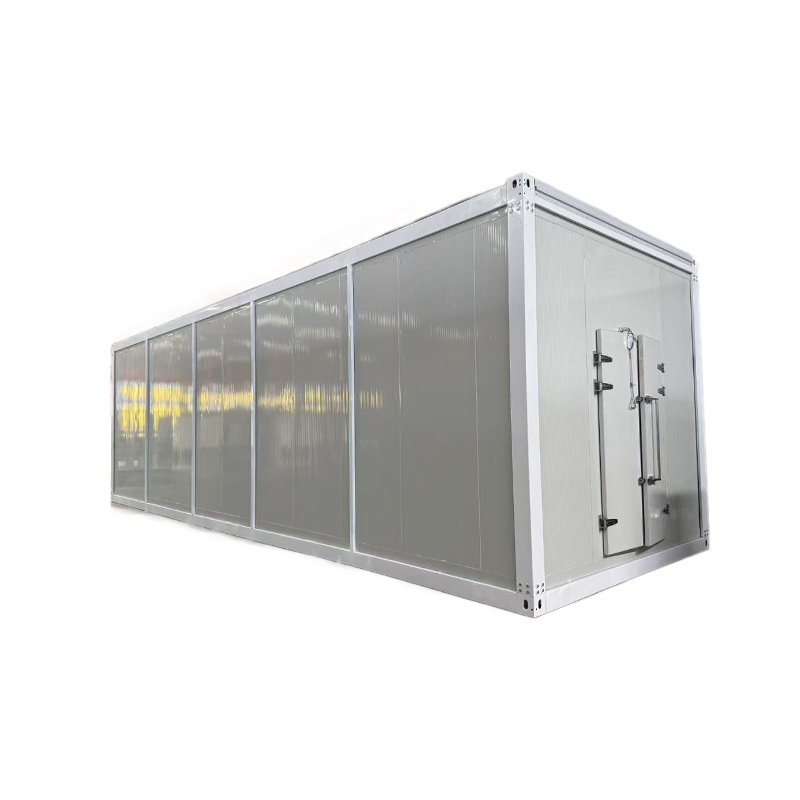
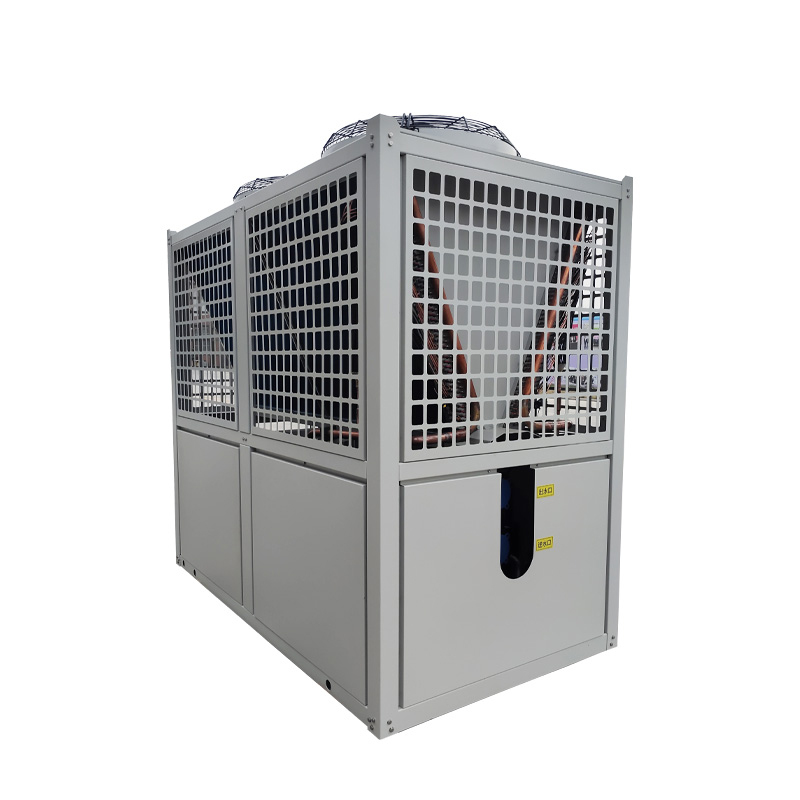
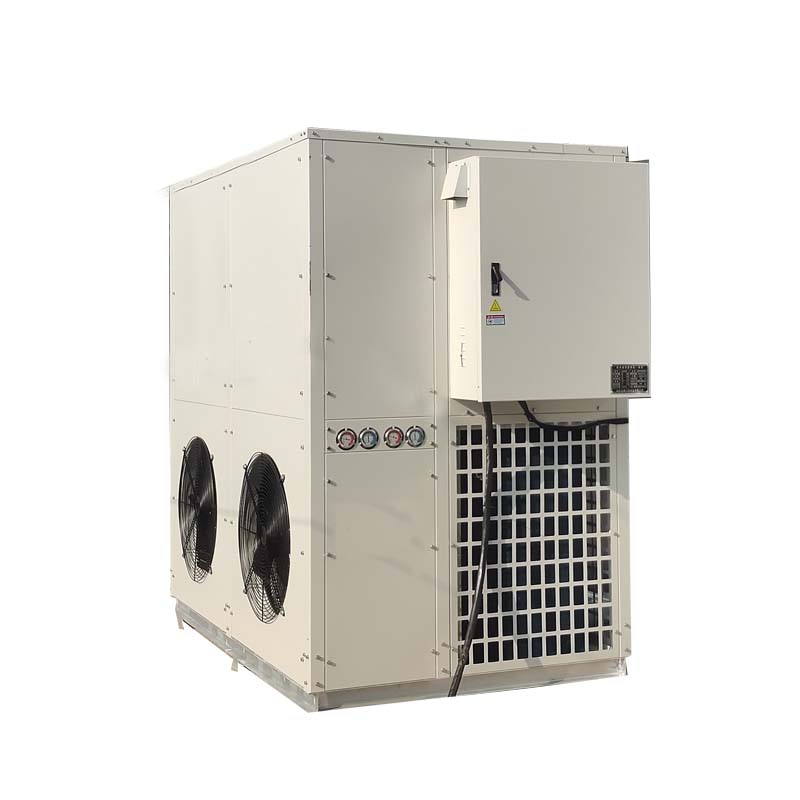
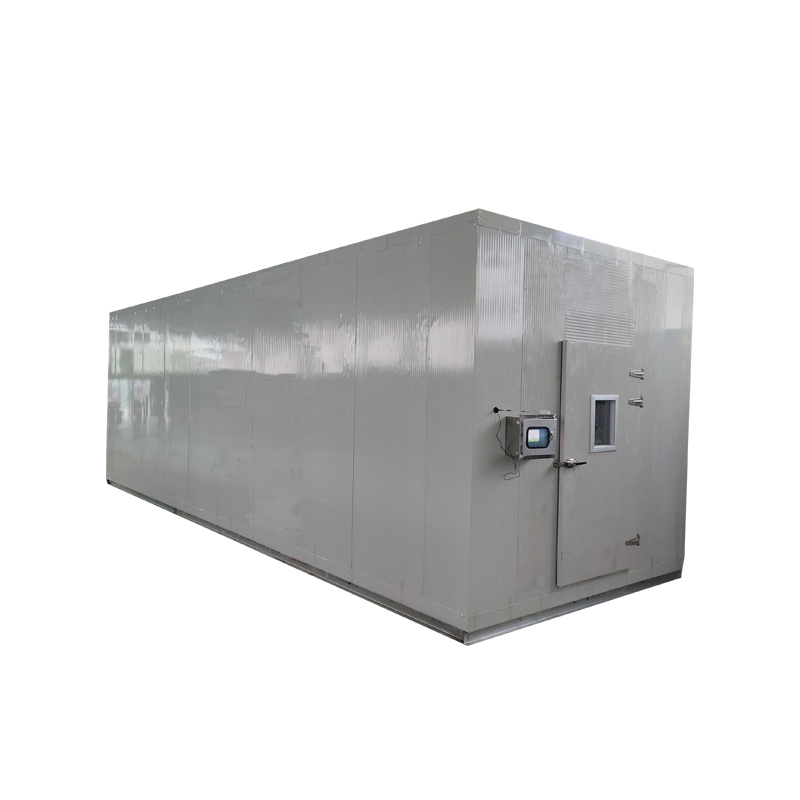
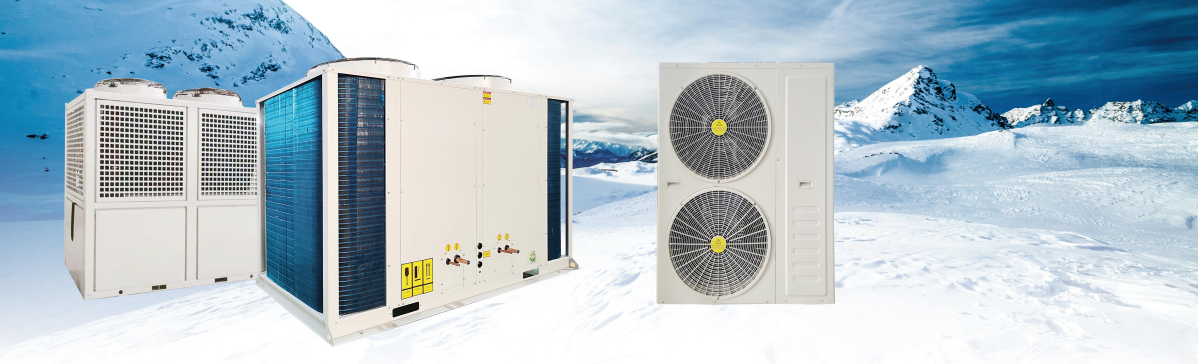
Product Series
Application Areas
Performance Characteristics
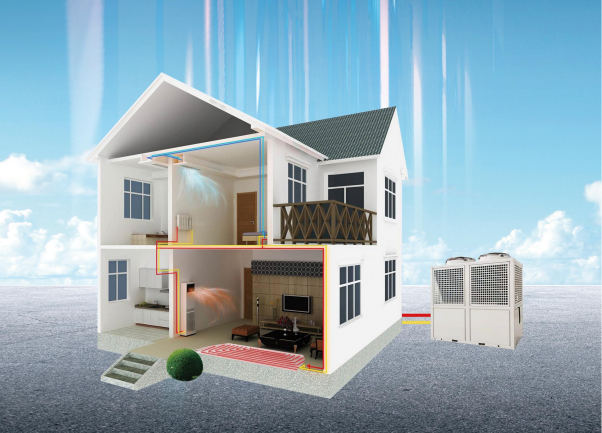
Solve Both Heating and Cooling Needs in One Step for Ultimate Comfort
An air source heat pump unit consists of an outdoor air-source air conditioning unit, indoor underfloor heating, fan coil units, and an intelligent control system. During winter operation, the air source heat pump collects heat from the outdoor air, heats the chilled water in the underfloor heating pipes, and then supplies the hot water needed for heating. This hot water is then pumped into the indoor low-temperature environment for even heating, gradually raising the temperature to achieve the desired warmth. In summer, a water-based central air conditioning system is used for ventilation and cooling.
Because heat pump heating does not involve combustion, it is an environmentally friendly technology. Compared to direct electric underfloor heating, its COP is greater than 3, resulting in significant energy savings.
Smart Control
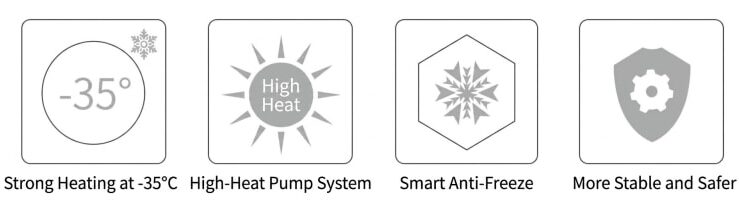
Widely Adaptable to All Kinds of Weather
Energy-Saving and Efficient
Eco-Friendly
Flexible Installation
Long Lifespan
Premium Parts
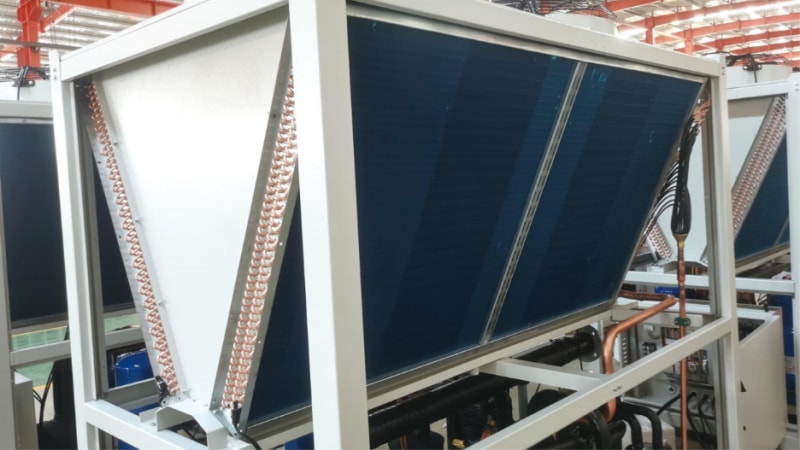
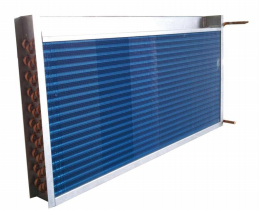

Finned Heat Exchanger
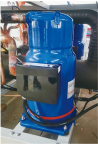
Dedicated Compressor
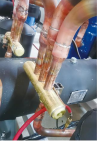
Four-Way Valve
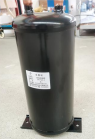
Bi-Directional Liquid Storage Tank
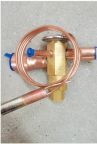
Thermal Expansion Valve
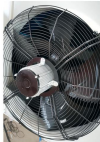
Plate Heat Exchanger
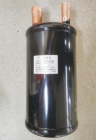
Gas-Liquid Separator
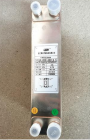
Plate Heat Exchanger
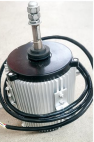
Motor
Technical Principle
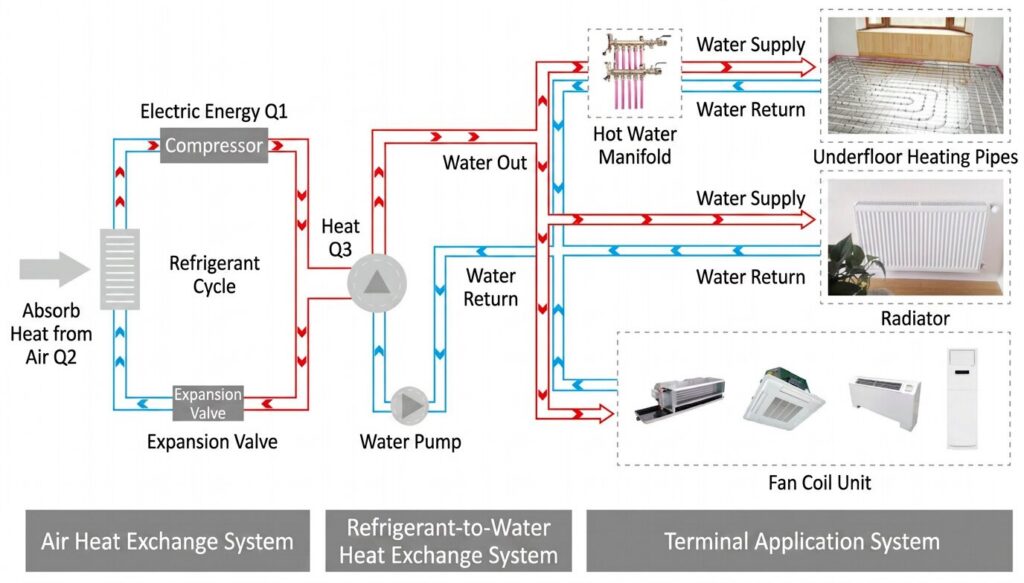

Based on the reverse Carnot cycle principle, this system mainly consists of two parts: the air source heat pump unit and the terminal units. The air source heat pump unit and the terminal units work together; the former provides chilled or hot water, while the latter, through heat exchange, provides cooling or heating. The air source heat pump unit is the main unit in the heating system. Because it uses an air source condenser, a cooling tower is not required; the evaporator is water-cooled, providing chilled water in summer and hot water in winter. The fan coil unit is the terminal device of the air conditioning system, installed indoors. Just as a water pump lifts water from a low point to a high point, a heat pump can extract heat from a low temperature to a high temperature. Therefore, a heat pump is essentially a heat lifting device; its function is to extract heat from the surrounding environment and transfer it to the object being heated (a higher-temperature object).
Energy Saving Comparison
Comparison of Air Source Heat Pumps with Other Heating Methods
| Category | Blue Lake Air Source Heat Pump (Central AC + Heating) | Coal Boiler Central Heating | Small Boiler (Community Central Heating) | Gas Wall‑Mounted Boiler (Individual Heating) | Electric Floor Heating (Individual Heating) |
|---|---|---|---|---|---|
| Energy Saving | Compared with traditional electric heating, saves 75% energy | Coal heating, not energy‑efficient, high pipeline heat loss | Coal heating, not energy‑efficient | Gas heating, not energy‑efficient | Electric heating, not energy‑efficient |
| Operating Cost | Very low | Medium | High | Medium | High |
| Environmental Protection | Zero emissions, very environmentally friendly | Exhaust emissions, heavy pollution | Exhaust emissions, heavy pollution | Exhaust emissions, heavy pollution | Radiation present |
| Safety | No combustion; water and electricity separated; very safe | Risk of combustion and explosion | Risk of combustion and explosion | Risk of combustion and explosion | Electrical safety risks |
| Applicability | Users can freely adjust heating time and temperature | Limited by centralized heating schedule | Users cannot adjust independently | Users can adjust independently | Limited by household electrical capacity |
| Maintenance Cost | No dedicated maintenance required | Requires professional maintenance | Requires regular professional inspection | Requires regular professional inspection | Requires regular professional inspection |
Comparison of Operating Costs of Heating Methods
| Normal Winter | ||||||
| Item | Unit | Blue Lake Air Source Heat Pump | Coal Boiler | Natural Gas Boiler | Oil Boiler | Electric Boiler |
| Heating Equipment | / | Heat Pump | Boiler | Boiler | Boiler | Boiler |
| Energy Type | / | Electricity | Coal | Natural Gas | Diesel | Electricity |
| Calorific Value | kcal (m³) | 860 | 5000 | 8600 | 9600 | 860 |
| Heating Efficiency / Heat Transfer Efficiency | / | 3.6 | 0.5 | 0.8 | 0.8 | 0.9 |
| Heating Area | m² | 130 | 130 | 130 | 130 | 130 |
| Unit Heat Index | W/m² | 120 | 120 | 120 | 120 | 120 |
| Air Conditioning Heat Load | kW | 16 | 16 | 16 | 16 | 16 |
| Daily Heating Time | h | 10 | 10 | 10 | 10 | 10 |
| Fuel / Energy Price | CNY / kWh (m³) | 0.6 | 0.6 | 2.6 | 7 | 0.6 |
| Daily Heating Cost | CNY / day | 23 | 29 | 46 | 110 | 94 |
| Operating Days | days | 120 | 120 | 120 | 120 | 100 |
| Total Seasonal Operating Cost | CNY | 2808 | 3477 | 5476 | 13206 | 9360 |