
¿Cómo podemos ayudarle?
Consulte respuestas detalladas sobre bombas de calor de fuente de aire, contenedores inteligentes para hongos, sistemas de control climático para hongos y opciones de cooperación.
Preguntas frecuentes sobre bombas de calor de fuente de aire
P1: ¿Una bomba de calor de fuente de aire dejará de funcionar en entornos de baja temperatura? ¿Puede seguir proporcionando calefacción?
Esta es la preocupación más común entre los usuarios de las regiones del norte.
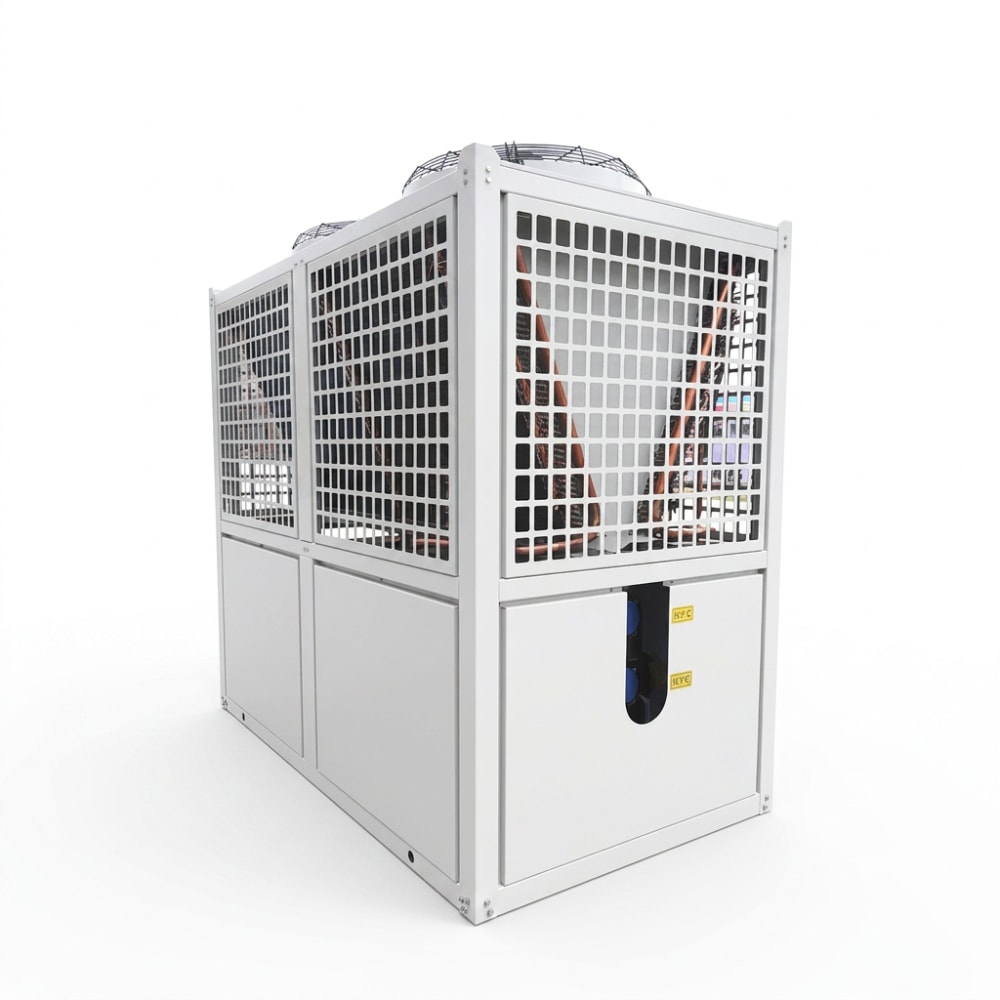
Las bombas de calor tradicionales sí experimentan una disminución del rendimiento en condiciones de baja temperatura. Sin embargo, la tecnología moderna de bombas de calor de fuente de aire para temperaturas ultrabajas ya está muy desarrollada y puede funcionar de manera estable incluso a -30 °C o menos.
Estos sistemas avanzados adoptan la tecnología EVI (inyección mejorada de vapor) , que mejora significativamente la capacidad de calefacción en condiciones de frío extremo.
Las bombas de calor de fuente de aire para temperaturas ultrabajas aún pueden mantener un COP (coeficiente de rendimiento) relativamente alto en entornos fríos. Sin embargo, al seleccionar una unidad, los usuarios deben prestar atención a los datos reales de rendimiento comprobado en condiciones de baja temperatura, en lugar de basarse únicamente en las condiciones nominales de clasificación.
Las normas del sector también mejoran continuamente, lo que proporcionará referencias de selección más transparentes y fiables en el futuro.
P2: ¿Qué debe tenerse en cuenta al instalar la unidad exterior de una bomba de calor de fuente de aire?
Las bombas de calor de fuente de aire siguen el principio de «30 % calidad del producto, 70 % instalación». La ubicación de instalación de la unidad exterior afecta directamente a la eficiencia y la vida útil del sistema.
Requisitos clave:
-
Condiciones de ventilación
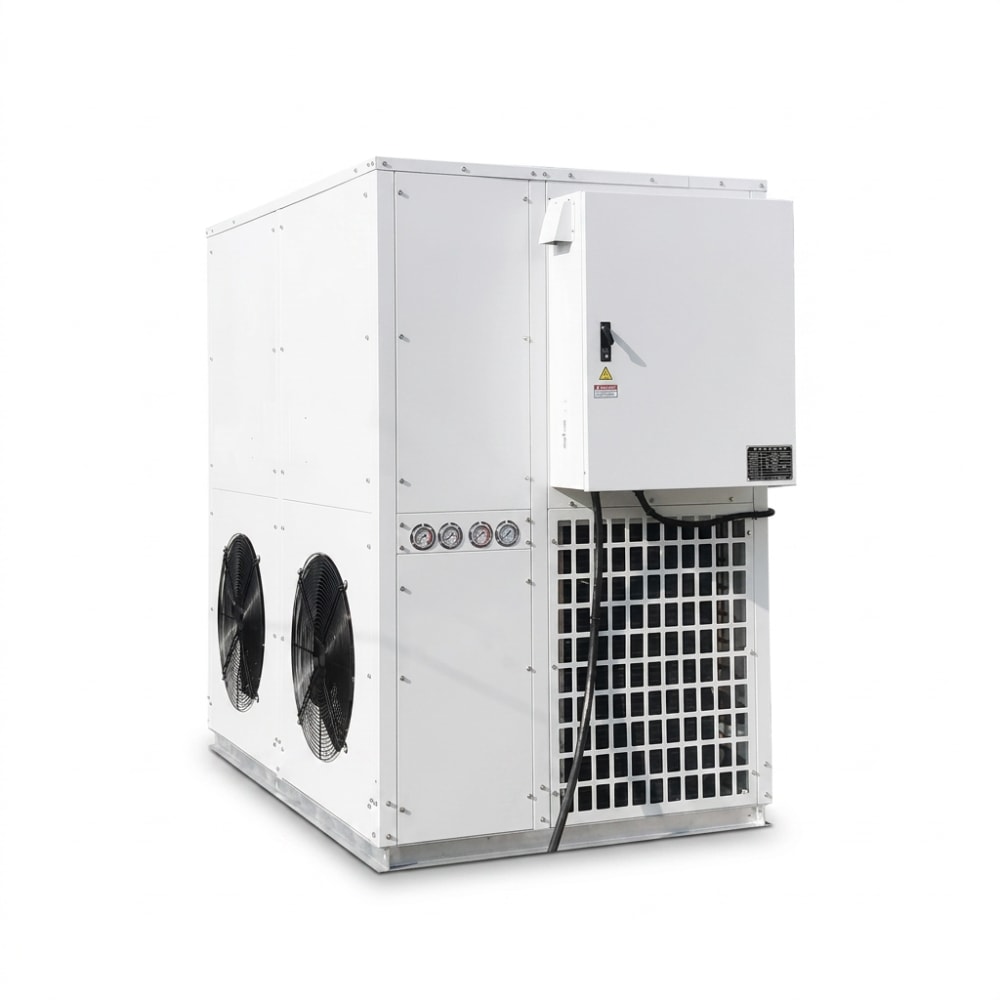
Instale la unidad en un área abierta y bien ventilada. Mantenga una separación mínima de 50 cm respecto a las paredes en los lados de entrada y salida de aire, y asegúrese de que no haya obstrucciones por encima para evitar la recirculación de calor y la pérdida de eficiencia. -
Base estable
La base de instalación debe tener suficiente capacidad de carga para garantizar un funcionamiento estable y reducir las vibraciones y el ruido. -
Drenaje adecuado
Asegúrese de contar con buenas condiciones de drenaje para evitar la acumulación y congelación del agua de escarcha en invierno. -
Evite obstrucciones
No coloque la unidad cerca de objetos como unidades exteriores de aire acondicionado, tendederos o plantas trepadoras. La acumulación de polvo en las aletas del intercambiador de calor puede reducir la eficiencia en más de un 15 %.
Nota especial:
Para instalaciones con varias unidades, debe reservarse una separación suficiente para evitar interferencias en el flujo de aire. Los sistemas divididos e integrados pueden tener requisitos de instalación diferentes y deben seguir estrictamente los planos de instalación del fabricante.
P3: ¿Cómo debe mantenerse una bomba de calor de fuente de aire? ¿Con qué frecuencia requiere mantenimiento?
Un mantenimiento adecuado puede prolongar la vida útil del sistema a más de 12 años, manteniendo al mismo tiempo la eficiencia energética por encima del 95 % del rendimiento nominal.
El mantenimiento se centra en cinco aspectos clave: prevenir obstrucciones, congelación, fugas, incrustaciones y operaciones incorrectas.
1. Mantenimiento del sistema de agua
- Limpieza del filtro: cada 3 meses (mensualmente en zonas con agua dura)
- Drenaje del depósito de agua: cada 6 meses (cada 3 meses en zonas con agua dura)
- Desincrustación del intercambiador de calor: cada 1–2 años por profesionales (no utilizar productos químicos corrosivos)
2. Mantenimiento de la unidad exterior
- Mantenga al menos 50 cm de espacio libre alrededor de la entrada/salida de aire
- Limpie las aletas de intercambio de calor cada 6 meses con un cepillo suave
- Enjuague anualmente con agua a baja presión (de arriba hacia abajo)
3. Inspección de seguridad eléctrica
- Compruebe mensualmente el envejecimiento de los cables o la holgura de los enchufes
- Preste atención a ruidos anormales del compresor durante el funcionamiento
4. Mantenimiento en invierno
- Active el modo de baja temperatura o la calefacción eléctrica auxiliar, si está disponible
- Compruebe que el sensor de desescarche no esté bloqueado por hielo
- Detenga el funcionamiento inmediatamente si se produce una formación severa de hielo y contacte con el servicio de asistencia
5. Procedimiento para paradas prolongadas
Si no se utiliza durante más de 7 días:
Cierre la válvula de entrada de agua → drene el sistema → desconecte la alimentación → cubra la unidad
Antes de reiniciar: compruebe el estado de las válvulas y supervise la estabilidad de la presión del sistema durante 30 minutos
Preguntas frecuentes sobre contenedores inteligentes para setas
P1: ¿Un contenedor inteligente para setas requiere una aprobación independiente del terreno? ¿Cuáles son los requisitos del emplazamiento?
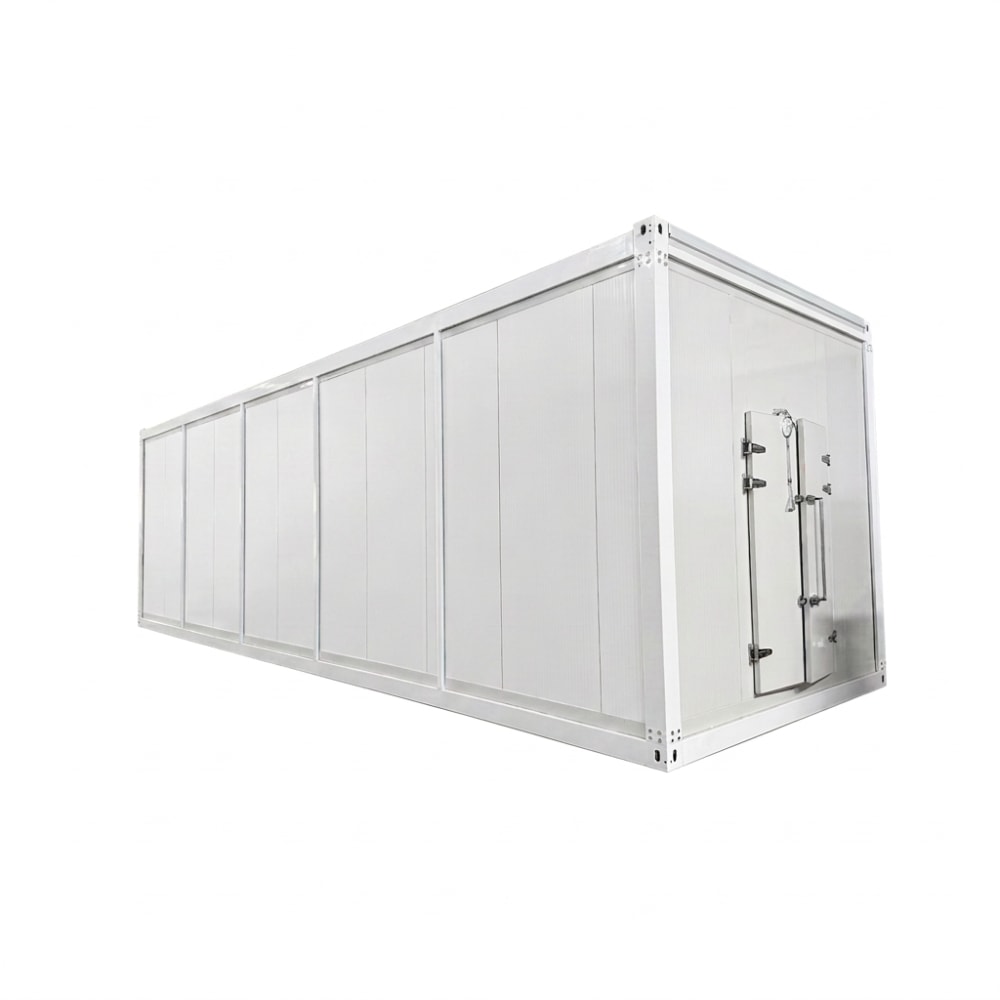
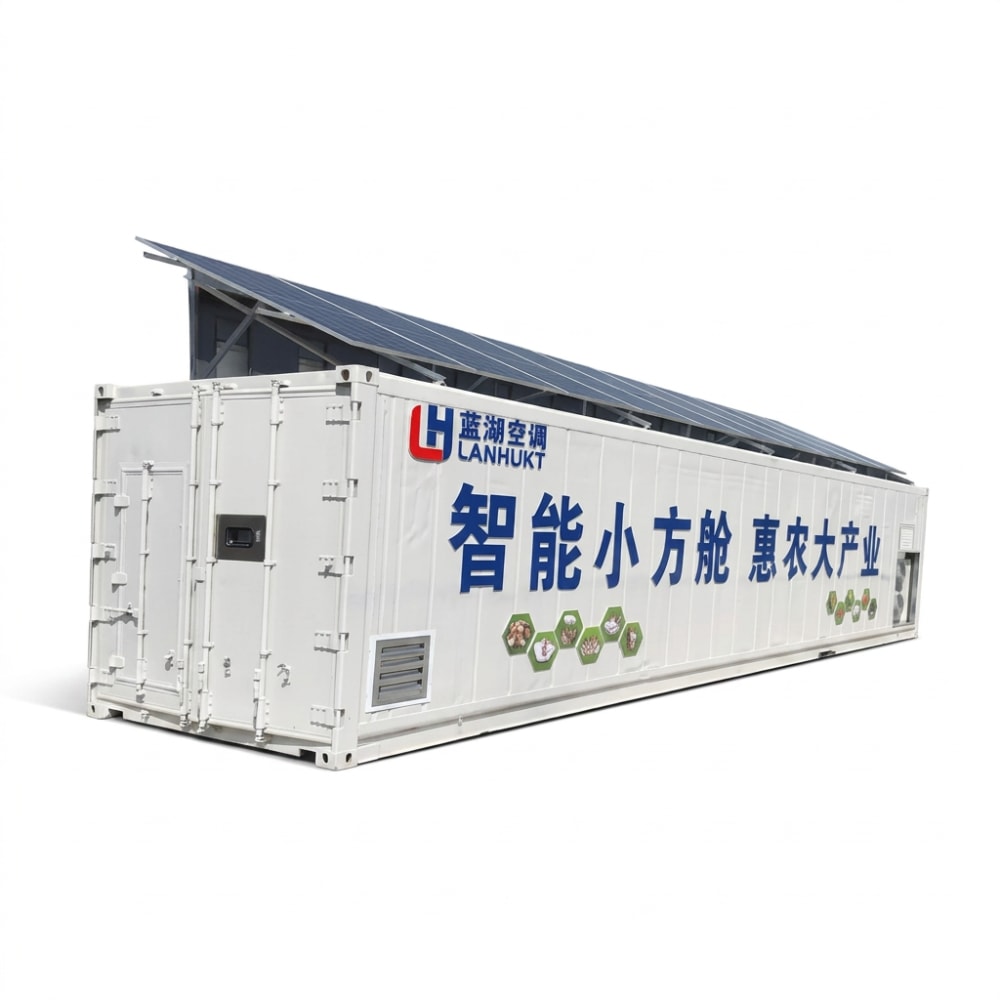
Una de las principales ventajas de los contenedores inteligentes para setas es que, por lo general, no requieren una aprobación adicional para el uso del suelo, ya que son sistemas modulares basados en contenedores.
Pueden instalarse directamente en:
- Edificios industriales desocupados
- Edificios de escuelas rurales abandonadas
- Terrenos colectivos de aldeas o espacios abiertos sin uso
- Instalaciones agrícolas existentes
Esto permite a los usuarios reutilizar activos inactivos y reducir significativamente los costes de infraestructura.
Sin embargo, la selección del emplazamiento debe tener en cuenta lo siguiente:
-
Capacidad eléctrica
Asegúrese de que el suministro eléctrico local pueda respaldar el funcionamiento estable de los sistemas de climatización y ventilación. -
Suministro de agua
Se requiere una fuente de agua estable, limpia y de fácil acceso para los sistemas de humidificación y limpieza. -
Limpieza ambiental
El entorno circundante debe estar relativamente limpio para reducir los riesgos de contaminación.
Para instalaciones a gran escala (por ejemplo, granjas de 30 contenedores), se recomienda coordinarse previamente con la autoridad eléctrica local para garantizar una infraestructura eléctrica suficiente.
P2: ¿Cuánto cuesta construir una granja de setas en contenedores? ¿Cuál es el periodo de recuperación de la inversión?
Según los casos actuales del mercado, un contenedor inteligente para setas completamente equipado con sistema de control ambiental suele costar alrededor de 150.000 RMB por unidad.
Incluye:
- Micelio y materiales de sustrato
- Costes iniciales de puesta en marcha
- Mano de obra básica y servicios públicos
La inversión inicial debe planificarse en consecuencia.
Ejemplo de producción (Pleurotus ostreatus / seta de ostra):
- Cada contenedor de 36㎡ puede albergar aproximadamente 3.900 bolsas de cultivo
- Ciclo de cosecha: 5–7 días por oleada
- Producción mensual: 2–3 oleadas
Sin embargo, los datos del sector muestran:
- Beneficio bruto anual: aproximadamente 40.000–50.000 RMB
- Tras descontar los costos de electricidad, mano de obra y consumibles, el período de recuperación suele ser de 3 a 5 años o más
Recomendación:
Para principiantes, se recomienda comenzar con 1 o 2 contenedores, centrándose en especies fáciles de manejar, como:
– Seta de ostra
– Pleurotus eryngii (seta de cardo)
Esto ayuda a reducir riesgos y adquirir experiencia operativa antes de ampliar la escala.
P3: ¿Es difícil operar el contenedor inteligente para hongos? ¿A qué se debe prestar atención en la gestión diaria?
El funcionamiento está altamente automatizado. La mayoría de los sistemas permiten el control mediante:
- Aplicación móvil
- Interfaz de pantalla táctil dentro del contenedor
Los usuarios pueden ajustar fácilmente:
- Temperatura
- Humedad
- Iluminación
- Concentración de CO₂
Algunos sistemas con tecnología 5G también permiten la supervisión remota, las alertas de fallos y el autodiagnóstico, lo que hace que su operación sea «tan sencilla como usar un teléfono inteligente».
Sin embargo, la automatización NO significa que no sea necesaria ninguna gestión.
Los riesgos operativos reales incluyen:
- Conexiones eléctricas flojas que provocan la activación de protecciones durante fases críticas del cultivo
- Ventilación inadecuada que provoca deficiencia de oxígeno
- Flujo de aire deficiente que da lugar a una morfología anormal de los hongos (tallos delgados, sombreros pequeños y menor valor comercial)
Recomendaciones para la gestión diaria:
-
Inspección rutinaria de los equipos
Revise las conexiones eléctricas, el sistema de climatización y los humidificadores. Asegúrese de que no haya cableado flojo ni funcionamiento anormal. -
Limpieza periódica de filtros
Limpie los filtros de aire para mantener la eficiencia del flujo de aire. -
Gestión de la ventilación
Ajuste el flujo de aire según los requisitos de cada especie:
– Shiitake: alta demanda de oxígeno
– Seta de ostra / seta de cardo: demanda moderada
P4: Los niveles de CO₂ siguen siendo altos, el crecimiento de los hongos es lento y el sistema continúa enviando alertas. ¿Cómo se debe manejar esta situación?
1. Solución básica de problemas
- Compruebe si los sensores de CO₂ están obstruidos o sucios
- Limpie o sustituya los filtros y recalibre los sensores
- Inspeccione los ventiladores de entrada de aire fresco y los conductos de extracción para detectar obstrucciones
- Limpie los filtros de los ventiladores mensualmente
2. Optimización de parámetros
-
Ajuste los umbrales de CO₂ según las etapas de crecimiento:
– Etapa de micelio: ≤1200 ppm
– Etapa de fructificación: 500–700 ppm -
Configure la automatización de la ventilación por etapas:
– Aumento automático de la entrada de aire fresco cuando el CO₂ supera los límites
3. Ajuste de la densidad de cultivo
- Garantice una separación suficiente entre las bolsas de cultivo de hongos
- Mantenga canales de flujo de aire entre las estanterías
- Añada ventiladores auxiliares de extracción si es necesario
4. Comprobaciones del sistema de alarmas remotas
- Verifique la conectividad 4G/de red para evitar alertas tardías o falsas
-
Active un sistema de alertas escalonado:
– Alertas menores → ajuste automático
– Alertas graves → SMS + notificación de la aplicación
P5: ¿Es complicado el mantenimiento diario para los principiantes? ¿Cómo reducir la tasa de fallos y prolongar la vida útil del equipo?
El mantenimiento diario está estandarizado y es sencillo, y puede reducir significativamente las tasas de fallos y los costes operativos.
1. Inspección diaria
- Compruebe los niveles de temperatura, humedad y CO₂
- Compruebe el nivel de agua del depósito del humidificador
- Preste atención a ruidos anormales del ventilador
2. Limpieza profunda posterior a la cosecha
- Retire las bolsas de cultivo de hongos agotadas
- Limpie las paredes interiores y los estantes
- Desinfecte para eliminar las esporas de moho
- Limpie el humidificador y el sistema de agua para evitar la obstrucción de las boquillas
3. Mantenimiento mensual
- Limpie los filtros de entrada y salida de aire
- Inspeccione el condensador del sistema HVAC y los terminales eléctricos
- Lubrique los rodamientos del ventilador
- Limpie el sistema de drenaje de condensado
4. Mantenimiento durante paradas prolongadas
- Drene el sistema de agua si no se utiliza durante más de 7 días
- Desconecte la alimentación eléctrica y proteja contra la humedad
- Encienda el equipo mensualmente durante 30 minutos para evitar fallos en la PCB
- Proteja de la luz solar directa en verano
5. Soporte de mantenimiento inteligente
- Recordatorios de mantenimiento integrados a través del panel del sistema
- Diagnóstico remoto para resolver problemas menores sin servicio in situ
Preguntas frecuentes sobre aire acondicionado para hongos
P1: ¿Por qué la unidad de aire acondicionado para hongos activa con frecuencia una alarma de alta presión?
Fenómeno:
La unidad se detiene repentinamente durante el funcionamiento y el panel de control muestra una «alarma de alta presión».
Análisis de la causa raíz:
Una alarma de alta presión se debe esencialmente a una mala disipación del calor en el sistema del condensador. Las causas comunes incluyen:
- Caudal insuficiente de agua de refrigeración o alta temperatura del agua (para sistemas refrigerados por agua)
- Aletas sucias en los condensadores refrigerados por aire
- Aire atrapado dentro de las tuberías del sistema de refrigeración
- Exceso de refrigerante
Soluciones recomendadas:
-
Compruebe las condiciones de disipación del calor
Toque las tuberías del condensador; si están excesivamente calientes, el intercambio de calor es insuficiente.
Limpie las aletas del condensador (sistemas refrigerados por aire).
En los sistemas refrigerados por agua, compruebe el funcionamiento de la torre de refrigeración y de la bomba de agua. -
Inspección profesional
Si la alarma persiste después de la limpieza, el problema puede estar relacionado con:
– Desequilibrio de refrigerante
– Vacío inadecuado durante la instalación
En este caso, póngase en contacto con el fabricante para obtener servicio profesional. NO añada refrigerante sin comprobarlo.
P2: ¿Qué debe incluir el mantenimiento diario de los sistemas de aire acondicionado para hongos? ¿Con qué frecuencia debe realizarse?
Un mantenimiento adecuado prolonga la vida útil del equipo y garantiza un control ambiental estable.
1. Filtros e intercambiadores de calor
- Limpie los filtros de aire cada 1–2 semanas para evitar obstrucciones por polvo
- Limpie el condensador cada 2–3 meses con un cepillo suave o agua a alta presión
- En salas de cultivo de hongos con mucho polvo, la frecuencia de limpieza debe aumentarse en consecuencia
2. Inspección del refrigerante y la presión
Cada 6 meses, solicite a profesionales que revisen:
- Presión del refrigerante
- Estado de sellado de las tuberías
Si se detecta una presión anormal o una fuga:
Recargue el refrigerante → Sustituya los componentes dañados
3. Inspección eléctrica y de componentes
Mensualmente:
- Compruebe que los cables de alimentación y las conexiones de los terminales no estén flojos
- Inspeccione el funcionamiento del ventilador y la bomba de agua para detectar ruidos o sobrecalentamiento
Trimestralmente:
- Calibre los controladores y sensores de temperatura
- Garantice un control ambiental preciso
4. Mantenimiento durante la parada invernal
Si el sistema no se utiliza en invierno:
- Drene toda el agua del sistema
- Desconecte la alimentación eléctrica
- Limpie la unidad y protéjala del polvo
- Lubrique el ventilador y los componentes de las tuberías
Esto previene la corrosión, los daños por congelación y el desgaste a largo plazo.
Preguntas frecuentes generales de la empresa
Preguntas generales sobre negocios & fabricación
¿Aún tiene preguntas?
Si no encuentra la respuesta que busca en nuestro sistema de preguntas frecuentes, nuestros ingenieros están siempre disponibles para proporcionar diagnóstico remoto o asesoramiento detallado para sus proyectos agrícolas.
Contacte hoy mismo con Lanhu