Explore the latest technologies, trends, and solutions in controlled environment agriculture and energy-efficient HVAC systems.
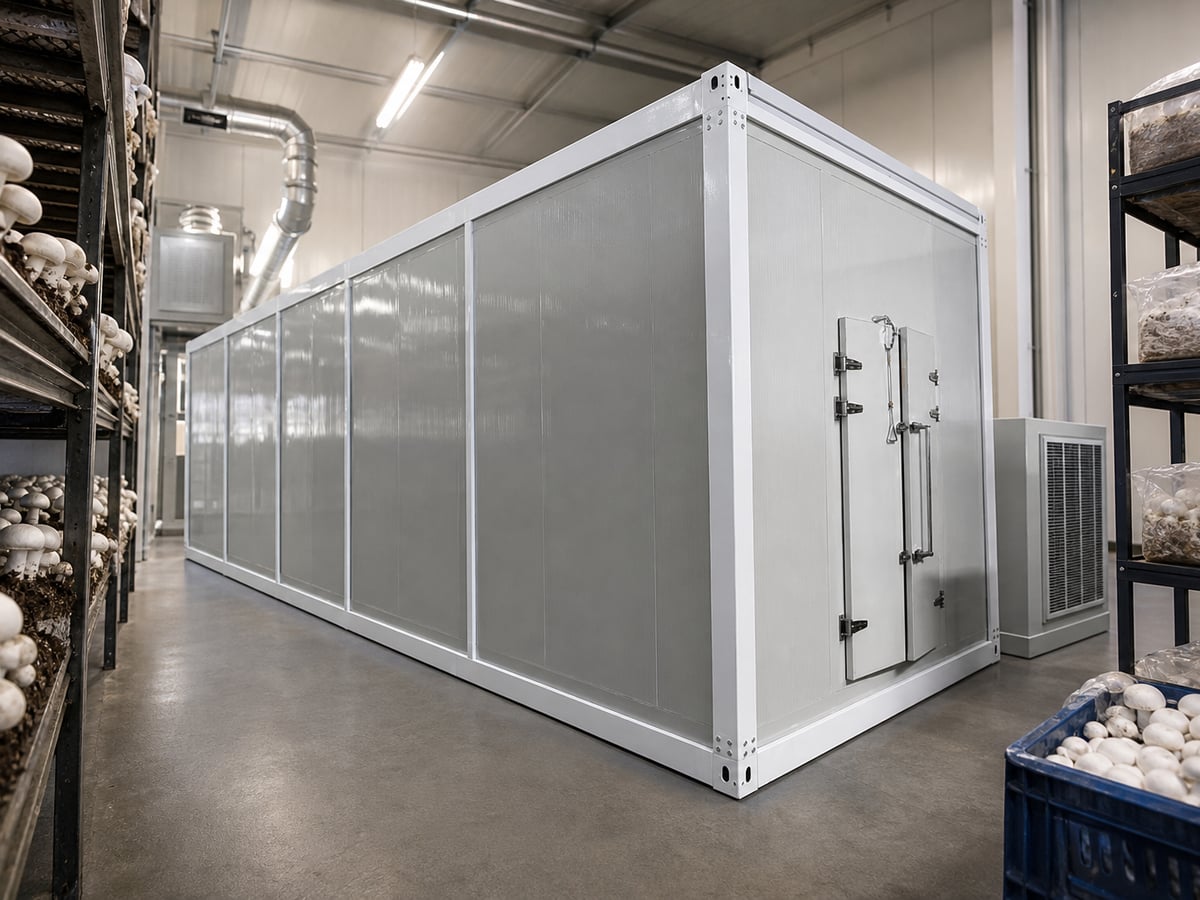
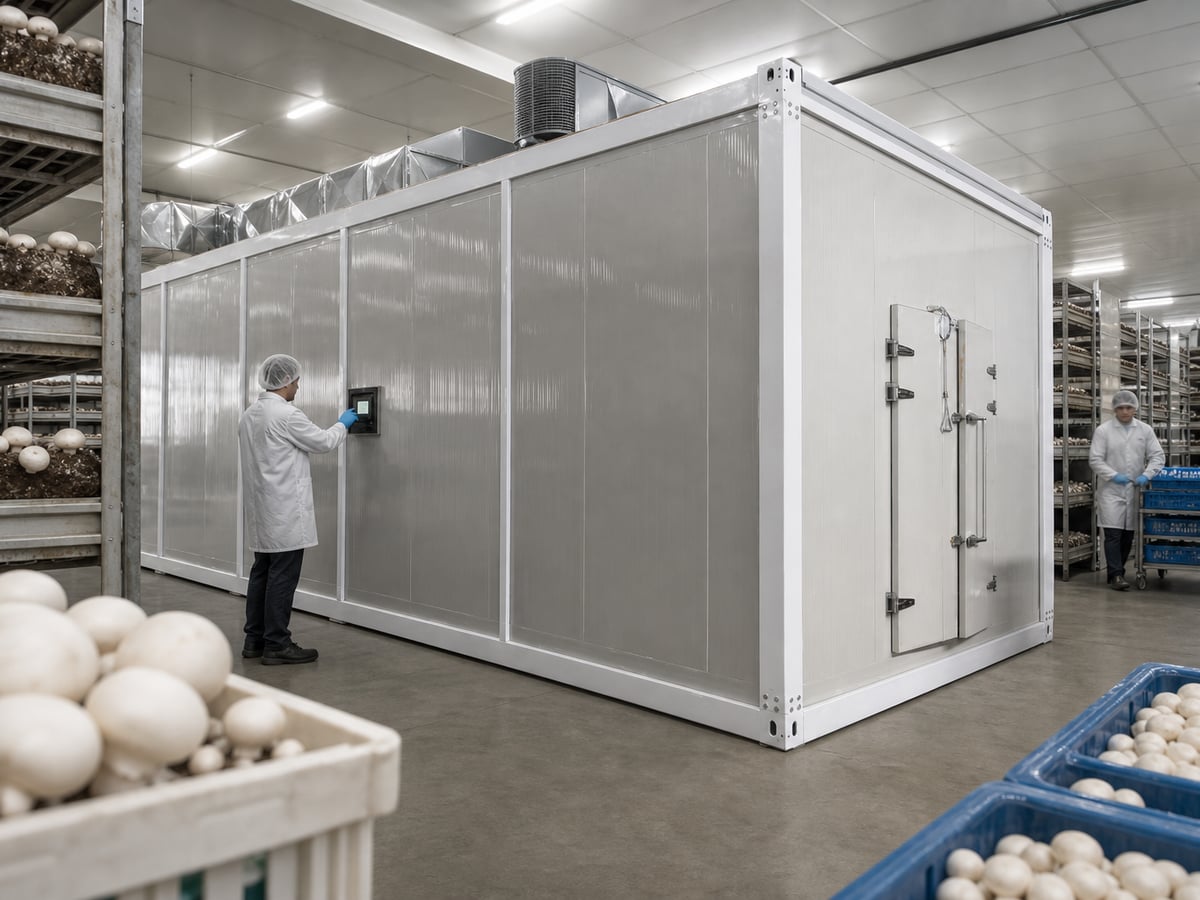
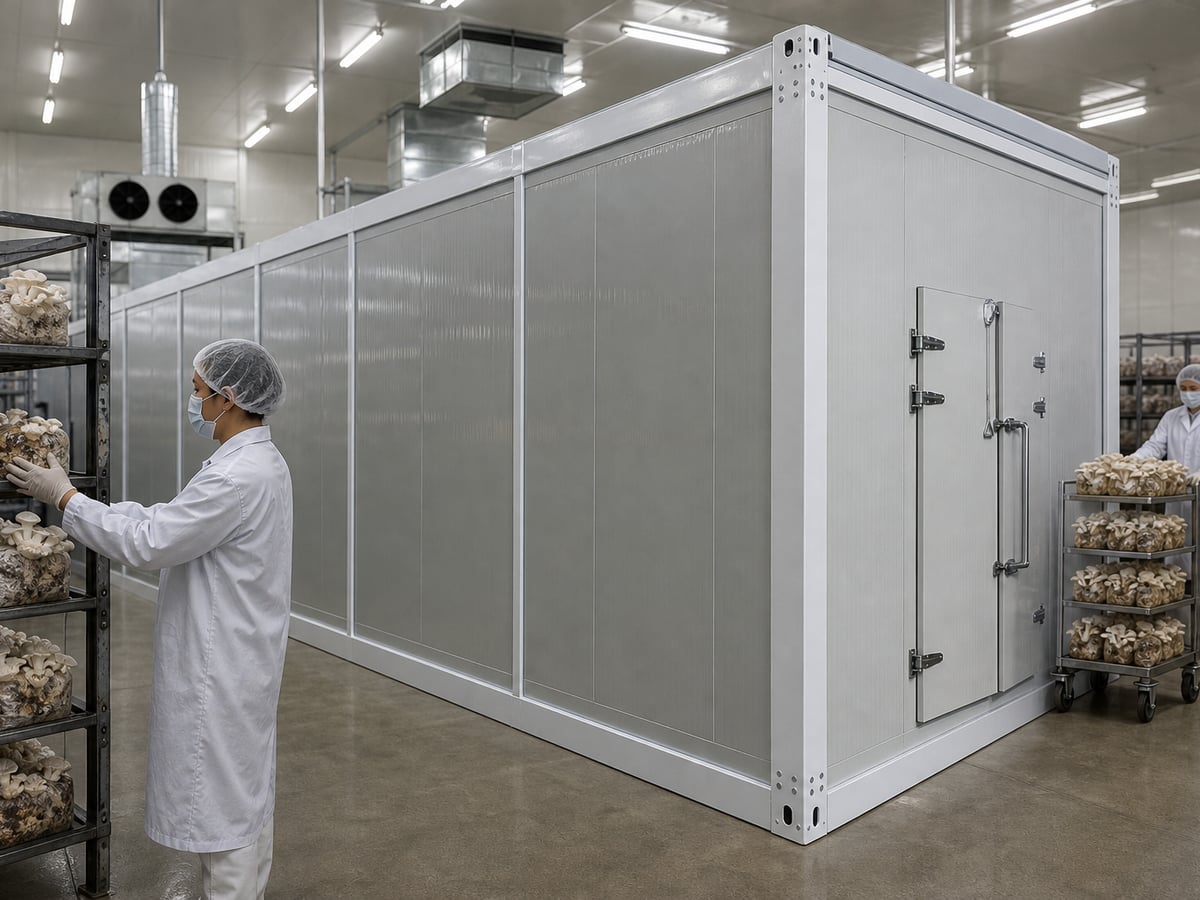
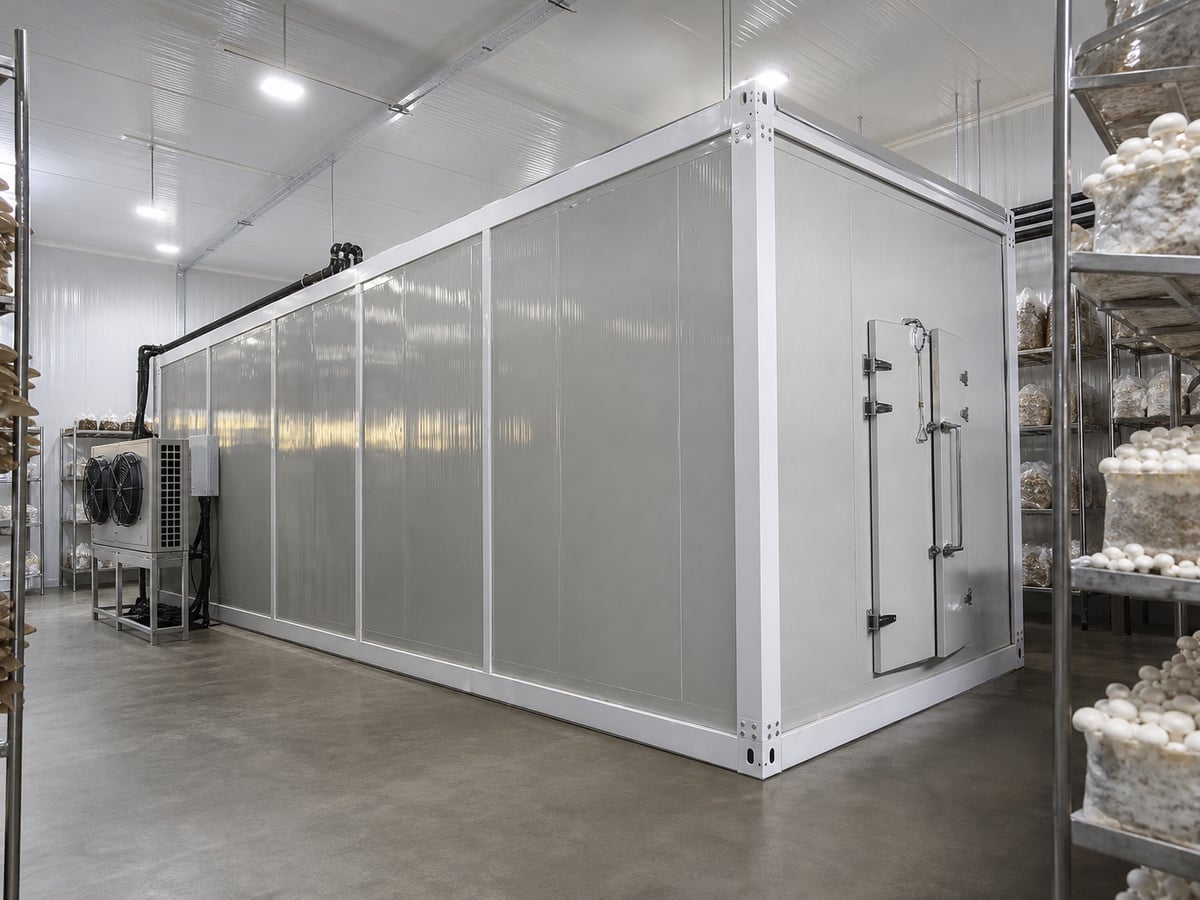
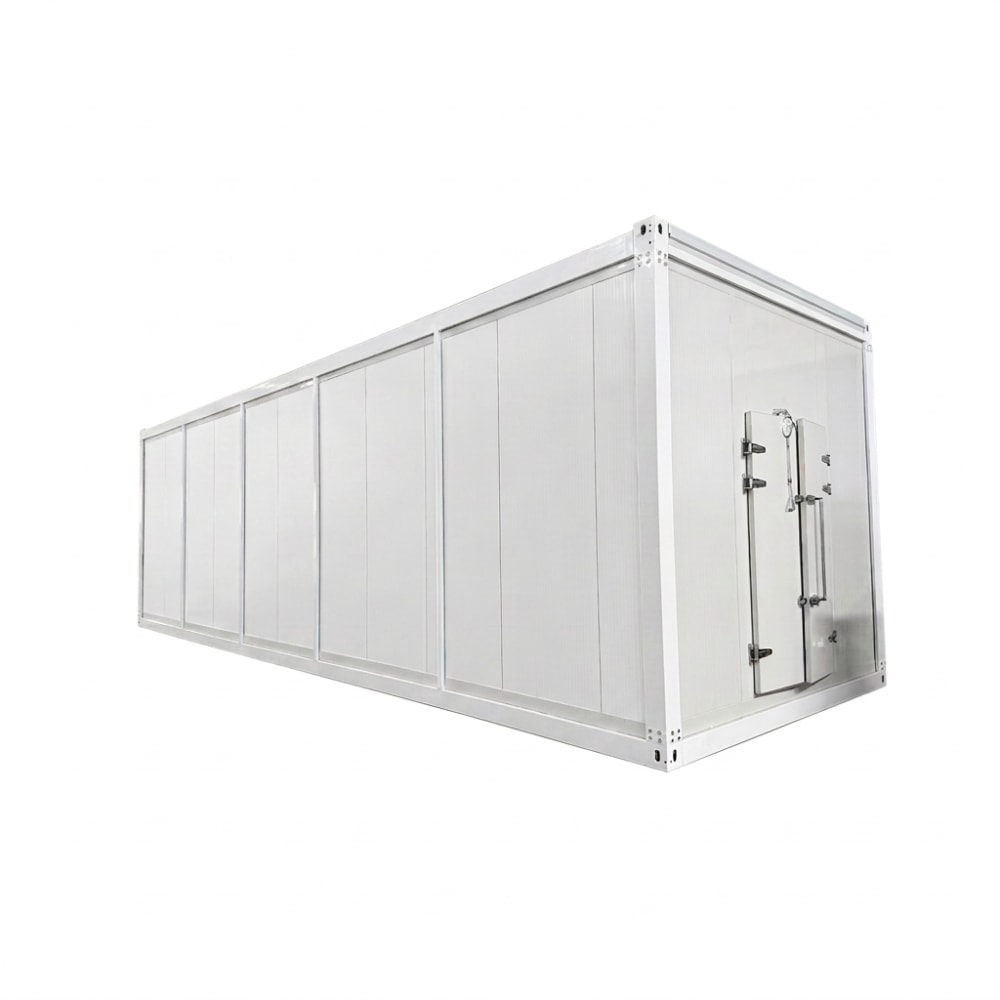
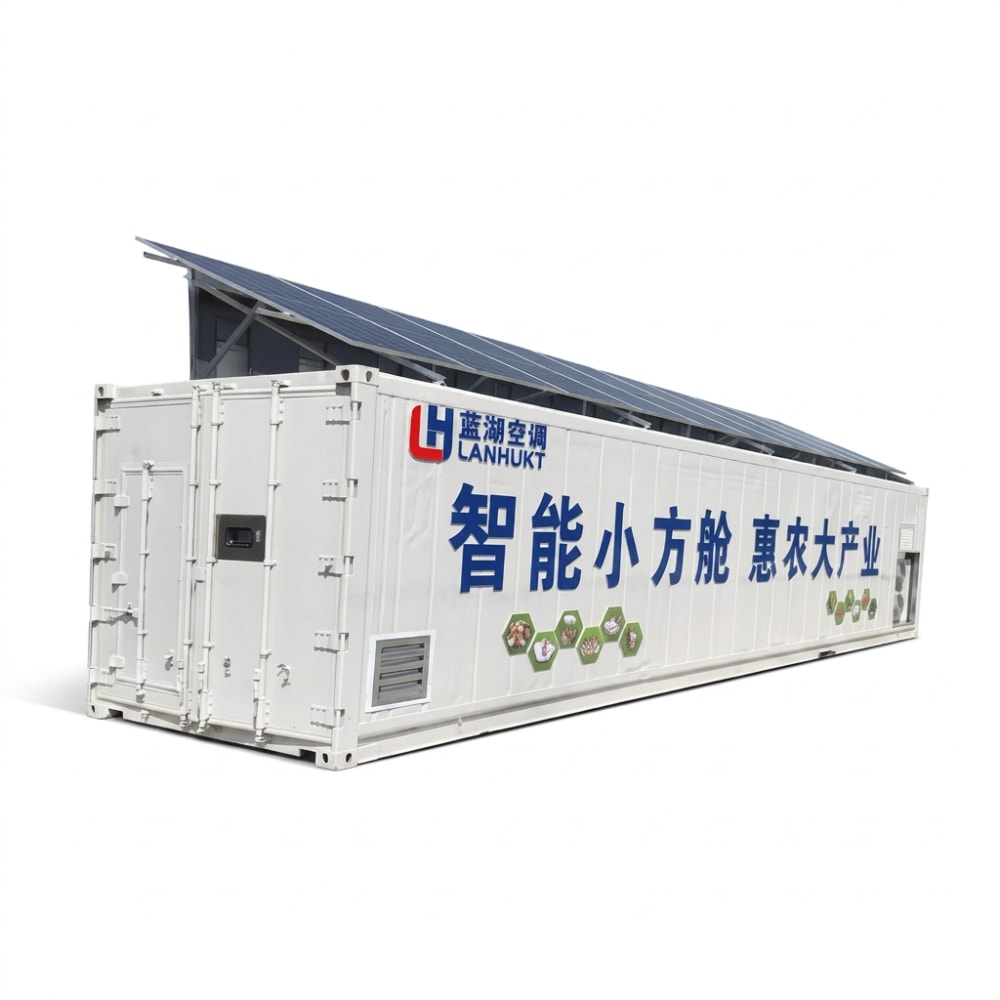
Smart Mushroom Cultivation Container
Smart Mushroom Climate Controller
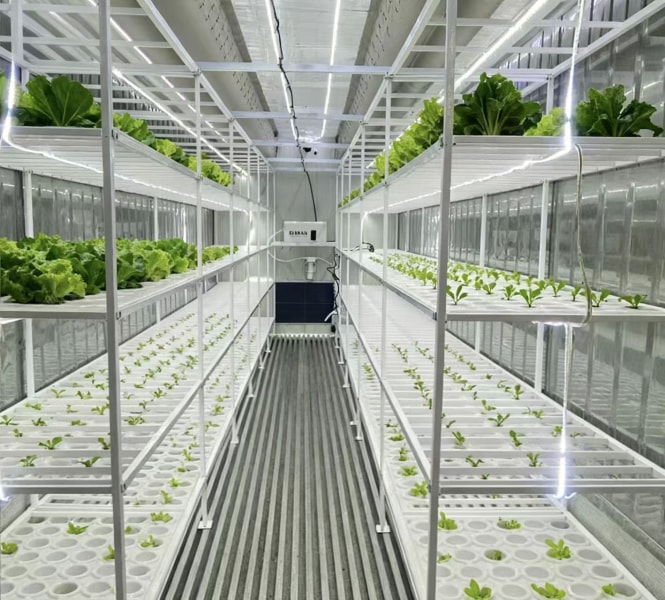
Smart Hydroponic Plant Container
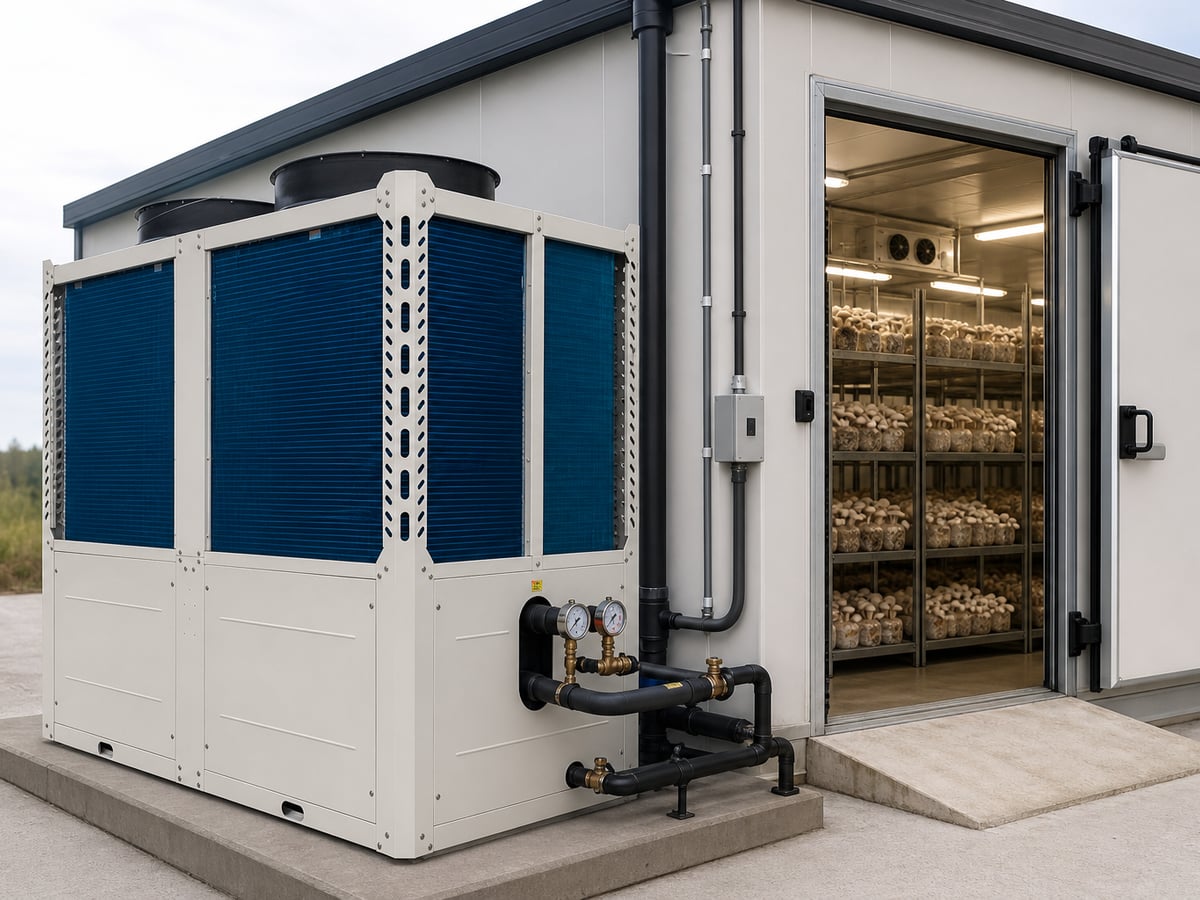
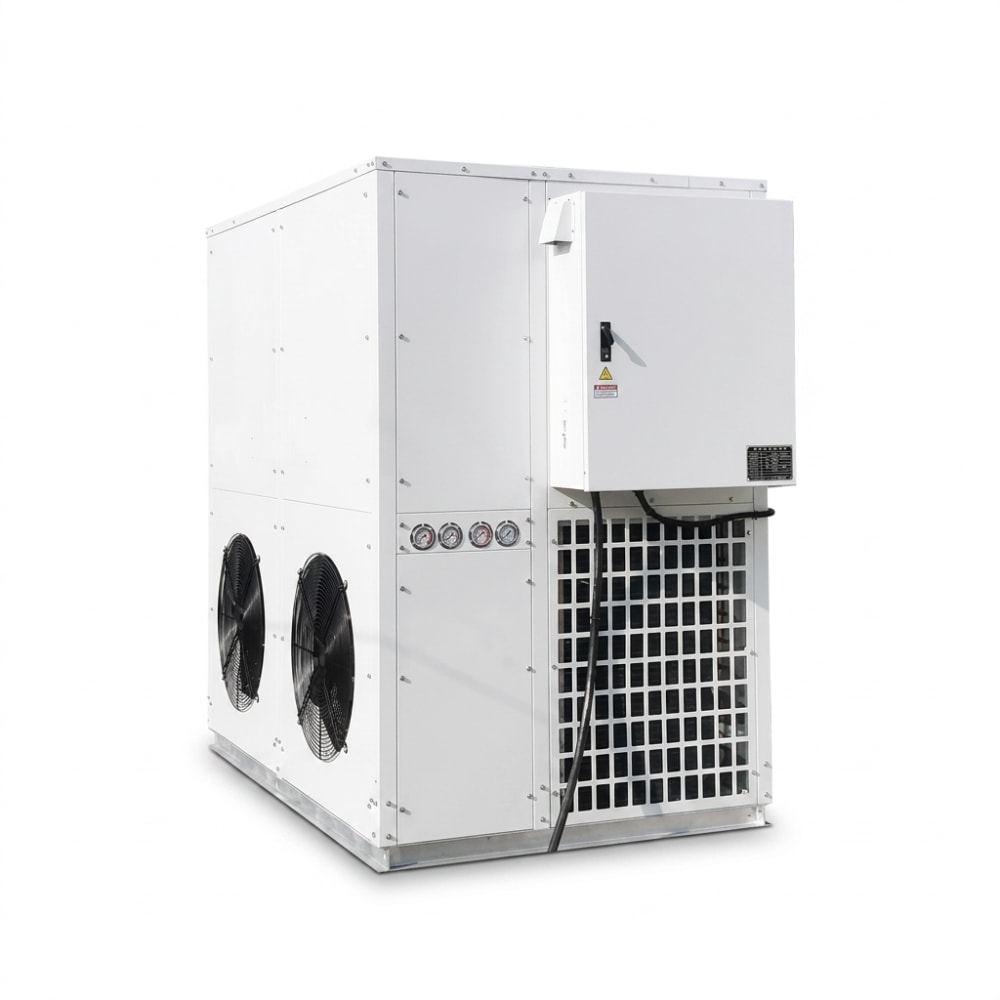
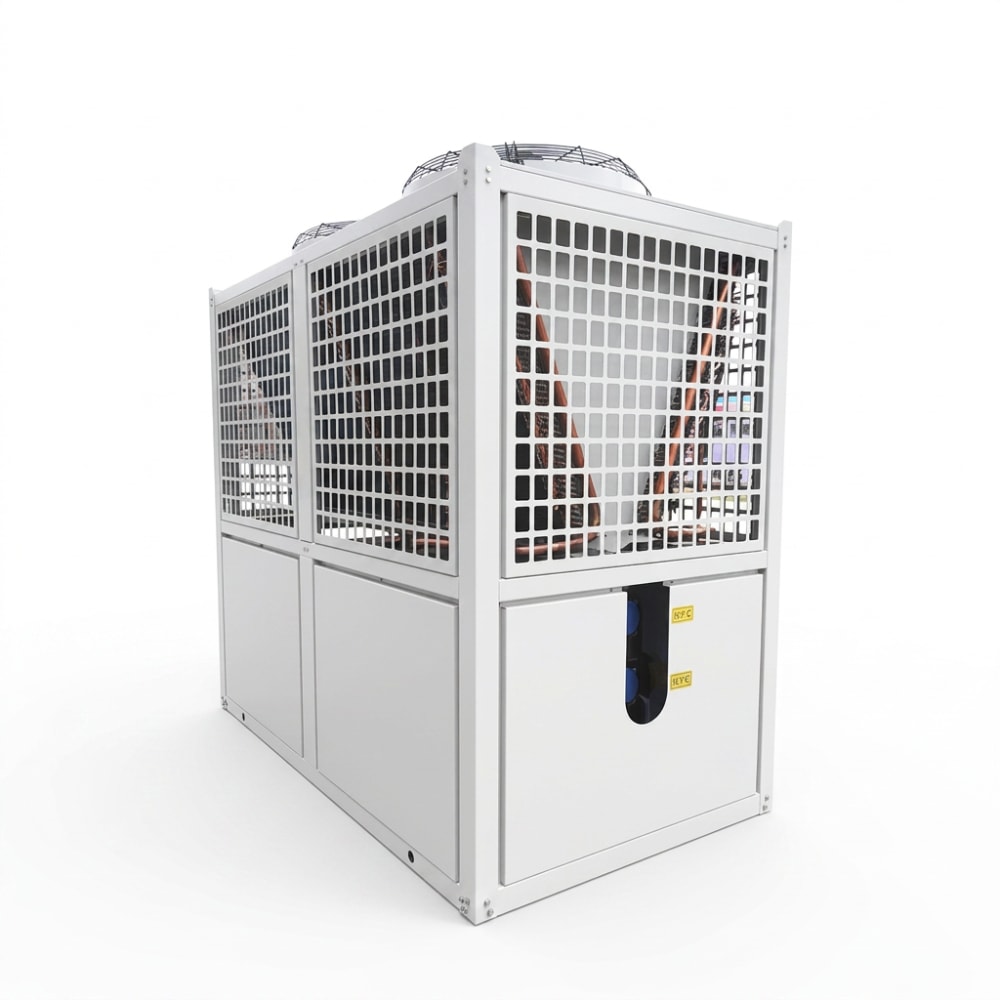
Air Source Heat Pump
Global Market Commercial Mushroom Farming Operations Guide
Commercial mushroom farming is a controlled-environment food production business that converts prepared substrate into fresh mushrooms through tightly managed incubation, fruiting, harvesting, cooling, and distribution. For Global Market operators, profitability depends less on simply growing mushrooms and more on maintaining repeatable climate conditions, clean workflows, reliable substrate supply, disciplined labor planning, and cold-chain execution.A commercially viable mushroom operation normally requires separate functional zones for substrate handling, inoculation or block receiving, incubation, fruiting, harvesting, packing, refrigeration, cleaning, and waste management. Oyster mushrooms, shiitake, lion’s mane, button mushrooms, and specialty varieties each require different humidity, temperature, carbon dioxide, airflow, light, and cropping-cycle settings. A facility that cannot control these variables consistently will experience reduced biological efficiency, uneven flushes, contamination, poor shelf life, and unstable operating costs.For many new projects, a modular solution can reduce construction uncertainty and shorten commissioning time. A smart mushroom cultivation container can provide an integrated growing room for pilot production, decentralized farming, remote-site projects, or phased capacity expansion. Larger farms may use insulated panel rooms with centralized HVAC, while multi-site operators often standardize climate controls and operating procedures across locations.The practical priority is straightforward: design production capacity around market demand, then size incubation volume, fruiting area, refrigeration, labor, utilities, and substrate supply accordingly. Do not start with the number of grow rooms alone. Start with weekly sales volume, target species, pack format, customer delivery requirements, and acceptable product-loss rate.Commercial mushroom farming is a biological manufacturing process. Inputs such as substrate, spawn, water, electricity, labor, packaging, sanitation materials, and equipment capacity must be converted into saleable kilograms with predictable quality. Unlike field crops, mushrooms can be produced year-round, but this advantage is only realized when climate management and hygiene are reliable every day.Global Market demand is increasingly divided between high-volume fresh mushrooms, premium specialty mushrooms, dried mushrooms, medicinal or functional ingredients, and locally grown products sold with short transport distances. Major consumption and distribution centers include Rotterdam, Dubai, Singapore, Los Angeles, Toronto, São Paulo, Johannesburg, Sydney, Hamburg, and Tokyo. Producers supplying these markets must consider not only cultivation performance but also packaging standards, traceability, refrigeration, food safety documentation, and retailer consistency.There are several broad commercial production models:Fresh specialty mushroom farms: Usually oyster, shiitake, lion’s mane, king oyster, chestnut, enoki, or mixed gourmet species sold to restaurants, retailers, meal-kit companies, and wholesalers. Button mushroom facilities: Large-scale production based on compost, casing soil, tunnel systems, and dedicated harvesting labor. Block-fruiting operations: Farms purchase colonized blocks from a substrate supplier and focus on fruiting, harvesting, packing, and sales. Integrated substrate-to-market farms: Operators prepare substrate, sterilize or pasteurize, inoculate, incubate, fruit, pack, and distribute from one controlled facility. Containerized farms: Compact units used for local production, demonstrations, remote projects, supermarkets, hospitality sites, research, or staged commercial expansion. Hybrid farms: Centralized substrate production combined with satellite fruiting rooms near urban markets. The best model depends on market access and management capacity. A startup near a large city may reduce technical risk by buying colonized blocks initially. An experienced operator with secure demand and trained technical staff may gain better long-term control by integrating substrate production. In either case, the farm should calculate contribution margin per kilogram after substrate, labor, packaging, cold storage, delivery, spoilage, and overheads.Production ModelMain ProductCapital RequirementTechnical ComplexityTypical Commercial BenefitBlock-fruiting farmFresh specialty mushroomsModerateModerateFast entry with fewer substrate-processing risksIntegrated bag farmOyster, shiitake, lion’s maneMedium to highHighGreater control of supply and unit economicsButton mushroom facilityAgaricus mushroomsHighHighLarge-volume retail and wholesale productionContainer farmSpecialty and local fresh mushroomsModerateModerateRapid deployment and modular expansionSatellite fruiting siteFresh mushrooms near citiesModerateModerateLower delivery time and fresher local productResearch or demonstration unitTrial crops and trainingLow to moderateLow to moderateTesting varieties, procedures, and local demandThis comparison shows why commercial planning must match the operating model to the available technical team, investment budget, and route to market. A highly integrated facility is not automatically better if demand is uncertain or if substrate-quality control cannot be maintained.Mushrooms respond quickly to environmental imbalance. Excess carbon dioxide can cause long stems, small caps, distorted clusters, and slower growth. Insufficient humidity can produce dry caps, cracked edges, low weight, and poor visual quality. Excess humidity combined with weak airflow can create condensation, bacterial blotch, soft tissue, and surface contamination. Temperature swings may delay pinning, compress the harvesting window, or trigger uneven flushes.Yield is commonly evaluated through biological efficiency, kilograms harvested per kilogram of dry substrate, crop conversion performance, and saleable yield after grading losses. However, a high gross yield is not enough. Commercial growers should monitor saleable pack-out, first-grade percentage, average harvest weight, labor minutes per kilogram, spoilage before dispatch, and returns from customers. These indicators show whether the climate system and workflow are producing marketable output rather than merely biomass.Operating risk is also linked to crop concentration. If every room is loaded on the same day, harvesting peaks can overwhelm labor and cooling capacity, followed by periods of low output. Staggered loading spreads production through the week, improves delivery consistency, and makes labor scheduling more efficient. This is particularly important for supermarket programs, foodservice distributors, and export customers operating through trade hubs such as Rotterdam, Jebel Ali, Singapore, and Los Angeles.Risk FactorLikely CauseCommercial ImpactEarly Warning SignCorrective PriorityHigh carbon dioxideInsufficient fresh-air exchangeDeformed mushrooms and lower gradeLong stems and small capsCheck sensors, dampers, fan capacitySurface dryingLow humidity or excessive air speedWeight loss and poor appearanceCracked caps and dry edgesAdjust humidification and airflow directionCondensationCold surfaces and poor air mixingBacterial risk and crop damageWater droplets on walls or capsImprove insulation, airflow, and dew-point controlContaminationWeak sanitation or poor substrate qualityReduced yield and spread between roomsGreen mold, sour odor, abnormal growthIsolate affected material and review hygieneUneven flushingInconsistent room climateLabor peaks and irregular deliveriesDifferent maturity across shelvesBalance airflow and recalibrate controlsWarm product after harvestSlow cooling or overloaded cold roomShort shelf life and customer complaintsSoft texture and condensation in packsPre-cool immediately and verify cold-chain capacityThe table illustrates that most costly failures develop before harvest. Routine monitoring, staff training, room segregation, and fast corrective action protect both crop yield and customer relationships.Commercial design should begin with a production specification. Define species, substrate format, weekly block loading, incubation duration, fruiting duration, expected flush pattern, target kilograms per block, harvest days per week, pack sizes, and delivery frequency. These figures determine room count, rack area, cooling load, ventilation demand, water use, labor requirements, and storage capacity.Typical fruiting conditions vary by species and strain, so operators must validate settings with their spawn supplier and local trials. Oyster mushrooms often fruit in cooler, humid, fresh-air-rich environments; shiitake requires a longer development cycle and careful humidity control; lion’s mane is sensitive to carbon dioxide and airflow patterns; button mushrooms require separate composting, casing, and crop-management protocols. Use room-level setpoints as operating baselines, not universal guarantees.Measure conditions at crop level, not only at the controller location. A sensor near the evaporator coil or supply duct may not represent the climate inside dense racks. Place temperature, relative humidity, and carbon dioxide sensors where mushrooms grow, and verify readings with calibrated handheld instruments. Record trends every day, especially during changes in weather, loading, harvest peaks, and equipment maintenance.ParameterWhy It Is MeasuredTypical Operational GoalMeasurement LocationManagement ActionAir temperatureControls growth rate and pinning responseSpecies-specific stable rangeCrop zone and return airAdjust heating, cooling, and air mixingRelative humidityMaintains crop moisture and weightHigh but non-condensing conditionCrop zone away from mist outletBalance humidification and ventilationCarbon dioxideInfluences morphology and respirationSpecies-specific ceilingAt rack height in dense crop areasIncrease fresh air or optimize exhaustAir velocityPrevents stagnant zones without drying capsGentle, uniform circulationMultiple rack positionsRedirect diffusers and balance fansSubstrate temperatureShows biological heat and crop conditionWithin safe strain rangeRepresentative bags, blocks, or bedsModify room temperature and loading densityRoom pressureSupports hygiene zoningControlled directional airflowDoorways and adjacent roomsReview fan balance and door disciplineFor design assumptions, include the highest expected outdoor temperature, lowest seasonal temperature, local humidity, electricity quality, water availability, drainage conditions, and freight access. A farm in Dubai requires different cooling and dehumidification logic than a farm in Hamburg, Nairobi, Jakarta, or Vancouver. Global Market projects should also consider the availability of replacement parts, refrigerant regulations, generator backup, and local technician support.A commercial mushroom facility needs more than shelves and humidifiers. It requires a coordinated system that delivers stable climate conditions while allowing easy cleaning, safe access, and consistent data collection. The core growing-room components are insulated walls and ceilings, washable surfaces, racking, air handling, cooling and heating equipment, humidification, fresh-air and exhaust systems, drainage, lighting, sensors, controllers, and electrical protection.A dedicated smart mushroom climate controller helps operators automate temperature, humidity, carbon dioxide, ventilation, lighting, alarms, and historical data review. Automation does not replace trained staff, but it reduces dependence on manual switching and gives managers better visibility across rooms, shifts, and sites.Infrastructure should separate clean and dirty traffic. Raw agricultural materials, spent substrate, cleaning tools, harvested mushrooms, packaging, and staff changing areas should not share uncontrolled routes. Provide handwashing points, boot sanitation where appropriate, washable carts, pest exclusion, floor drains, and a clear waste path. A refrigerated packing room or rapid pre-cooling area is strongly recommended when supplying retail or long-distance customers.Technological capability matters when selecting a supplier. Shandong Lanhu Air Conditioning Equipment Co., Ltd. applies more than 12 years of thermodynamic research and development to agricultural climate control, including smart cultivation environments, air source heat pumps, and integrated climate-management systems. Its equipment approach supports monitored temperature, humidity, ventilation, and crop-room operation for standardized mushroom production.Manufacturing capability should also be assessed. Lanhu operates a manufacturing facility of more than 30,000 square meters in Dezhou, Shandong, with integrated engineering, sheet-metal fabrication, CNC bending, insulation panel production, electrical assembly, testing, and quality inspection. This integrated process can help commercial buyers maintain consistency when specifying modular rooms, container farms, or customized equipment packages for international projects.System or EquipmentPrimary FunctionCommercial Selection ConsiderationMaintenance FocusInsulated room panelsReduce heat gain, heat loss, and condensationPanel thickness, joints, washable finish, fire complianceSeal inspection and surface cleaningCooling and heating unitMaintains crop temperatureClimate design load, redundancy, energy efficiencyCoils, refrigerant circuit, filtersHumidification systemMaintains crop moisture conditionsDroplet size, water quality, room coverageNozzles, water treatment, sanitationFresh-air and exhaust fansControls carbon dioxide and air renewalAirflow capacity, filtration, variable-speed controlBelts, motors, dampers, screensRacks and shelvingMaximizes productive growing areaLoad capacity, airflow gaps, corrosion resistanceCleaning and structural checksCold storage and packing areaProtects shelf life after harvestPeak harvest volume and dispatch scheduleDoor seals, temperature records, sanitationThe correct equipment package is not necessarily the largest package. It is the system sized for the crop load, room volume, outdoor design conditions, local energy cost, and required uptime. Oversized cooling can create rapid cycling and condensation; undersized ventilation can compromise mushroom shape and quality.A reliable workflow reduces contamination, crop losses, and labor confusion. The process should be documented through standard operating procedures, daily checklists, cleaning schedules, harvest specifications, and escalation rules. Every employee should understand which areas are clean, which are dirty, which room doors must remain closed, how product is handled, and when abnormal crop conditions must be reported.Receive and inspect substrate or raw materials: Check supplier batch, appearance, temperature, odor, moisture, packaging integrity, and delivery documentation. Inoculate or receive colonized blocks: If inoculating in-house, maintain clean-room discipline. If buying blocks, quarantine suspect deliveries before introducing them to the farm. Incubate: Maintain appropriate temperature and airflow for full colonization. Track batch age, room location, and expected transfer date. Transfer to fruiting rooms: Schedule loading in small, regular batches to smooth weekly production. Initiate fruiting: Apply the verified species-specific climate transition, including temperature, humidity, fresh air, lighting, and carbon dioxide adjustment. Monitor crop development: Inspect at least daily for pinning uniformity, crop density, abnormal morphology, pests, contamination, and water management. Harvest and grade: Harvest at the agreed maturity stage. Keep product off the floor and minimize handling damage. Pre-cool, pack, and dispatch: Remove field heat rapidly, record batch details, and maintain refrigeration through delivery. Clean and reset: Remove spent material, wash and disinfect surfaces, inspect equipment, and confirm room readiness before the next load. Service capability is important during implementation and operation. Lanhu offers factory-direct supply, OEM and ODM customization, engineering assistance, international logistics support, spare-parts support, installation guidance, and after-sales service. For projects in ports and inland logistics corridors, this can assist buyers coordinating shipments from China through Qingdao, Shanghai, Ningbo, Rotterdam, Jebel Ali, Durban, or regional distribution networks.Operators can review practical project configurations through the supplier’s commercial mushroom farming project cases. Case-based evaluation is useful because it reveals how room size, climatic conditions, crop type, local power supply, and installation constraints affect final equipment selection.Capacity planning should work backward from confirmed sales. For example, if a farm intends to supply 5,000 kilograms per week, it must calculate the number of blocks or beds entering fruiting each week, expected yield per unit, crop-cycle duration, harvest profile, rejection rate, and buffer inventory. The farm must then confirm that packing, refrigeration, vehicles, labor, and customer orders can absorb the peak daily harvest.Energy is often one of the largest controllable costs. Cooling, heating, humidification, ventilation, refrigeration, lighting, and substrate sterilization can create substantial demand. Energy consumption depends on outdoor conditions, insulation quality, room loading, air leakage, equipment efficiency, operating setpoints, and maintenance. Heat recovery, variable-speed fans, high-performance insulated panels, efficient heat pumps, night-time operating strategies, and precise climate controls can lower utility consumption without compromising crop quality.Labor is another major cost. Harvesting is often labor-intensive because mushrooms must be selected by maturity and handled gently. Farms should measure labor minutes per kilogram for loading, moving, harvesting, trimming, packing, cleaning, and dispatch. If labor productivity declines, investigate crop uniformity, rack layout, crate flow, pack design, room scheduling, and harvesting standards before simply adding workers.Cost CategoryMain Cost DriverControl MethodCommercial MetricSubstrate and spawnSupplier pricing, yield quality, freightBatch testing and multi-supplier planningCost per saleable kilogramElectricityCooling, heating, ventilation, refrigerationInsulation, controls, efficient equipmentkWh per kilogram producedLaborHarvesting, packing, cleaningStaggered production and ergonomic layoutLabor hours per kilogramPackagingRetail specification and product protectionRight-size packs and reduce damagePackaging cost per kilogramProduct lossOvermaturity, poor cooling, rejectionHarvest discipline and cold-chain controlPercentage of non-saleable outputMaintenanceFans, coils, sensors, humidificationPreventive maintenance calendarMaintenance cost per operating hourThe table should be converted into a monthly management dashboard. Comparing costs per kilogram by room, crop, customer, and season helps management identify whether losses come from biological performance, operational inefficiency, or commercial pricing.Capital expenditure should include site preparation, building works, electrical upgrades, drainage, water treatment, climate equipment, racks, cold storage, packing equipment, backup power, installation, commissioning, and working capital. Buyers seeking customized dimensions, branding, crop configurations, or project engineering can explore OEM and ODM mushroom cultivation solutions before finalizing equipment specifications.A common mistake is treating climate setpoints as fixed numbers rather than crop responses. If mushrooms show long stems, dry edges, weak caps, or uneven clusters, the answer may not be a single humidity or carbon dioxide adjustment. Operators must examine airflow pattern, sensor position, fresh-air volume, loading density, substrate temperature, crop age, and the interaction between room conditions and outdoor weather.Another frequent failure is underestimating post-harvest handling. Mushrooms can look acceptable at harvest but lose quality quickly if they remain in a warm room, are packed wet, or enter a cold room that is too small for peak production. Retail customers often judge suppliers by shelf life and appearance after delivery, not by how the crop looked inside the growing room.New projects also fail when they build production capacity before securing commercial channels. A farm should have a realistic mix of wholesale, retail, foodservice, direct-to-consumer, processing, or export buyers. Selling only to restaurants may create demand volatility; selling only to a single distributor may create pricing risk. Diversified channels and clear specifications protect revenue.Mistake: One large fruiting room loaded at once. Correction: Divide capacity into smaller batches and stagger weekly loading. Mistake: No backup plan for power interruptions. Correction: Provide generator capacity, alarms, emergency ventilation procedures, and temperature-response plans. Mistake: Sensors installed in one convenient location. Correction: Validate multiple crop-zone positions and recalibrate regularly. Mistake: Excessive misting to solve dryness. Correction: Review air velocity, supply-air temperature, room leakage, and humidification distribution. Mistake: Mixed clean and dirty equipment routes. Correction: Establish color-coded tools, sanitation stations, and controlled traffic flow. Mistake: Choosing equipment only by purchase price. Correction: Compare lifecycle energy use, spare-parts availability, automation, service response, and expected uptime. By 2026, commercial mushroom farming will increasingly reward farms that combine biological discipline with digital management. Market trends include remote climate monitoring, automated alarm systems, energy optimization algorithms, heat-pump integration, water-saving humidification, recyclable packaging, spent-substrate valorization, and traceability records. Policy trends in many Global Market regions are also favoring lower-emission food systems, reduced food waste, energy efficiency, responsible water use, and clearer food-safety documentation.A commercial mushroom project should move through defined decision gates. The first gate is market validation: identify customer segments, volume, species, pack sizes, price expectations, payment terms, and delivery radius. The second gate is technical feasibility: assess site conditions, climate, electricity, water, drainage, labor, substrate supply, logistics, and permits. The third gate is financial viability: calculate investment, working capital, operating cost, expected yield, sales margin, and downside scenarios.Define target mushroom species and weekly sales volume. Confirm substrate, spawn, packaging, and cold-chain suppliers. Choose integrated, block-fruiting, containerized, or hybrid production model. Map clean and dirty zones before purchasing equipment. Size incubation, fruiting, packing, and cold-storage capacity from weekly output. Specify climate setpoints, sensor locations, alarm thresholds, and data logging. Assess site utility capacity, drainage, water quality, insulation, and backup power. Create standard operating procedures for hygiene, harvesting, packing, cleaning, and maintenance. Train supervisors to identify crop stress and contamination early. Plan staggered production schedules for stable weekly deliveries. Set quality standards for maturity, weight, appearance, shelf life, and packaging. Establish preventive maintenance and critical spare-parts inventory. When requesting proposals, provide suppliers with the crop type, target output, local climate, indoor dimensions, power supply, preferred voltage, installation country, available water, drainage plan, and desired level of automation. This allows equipment suppliers to design a more accurate solution rather than offering a generic room package. For tailored project consultation, operators can contact the mushroom cultivation equipment team with layout drawings, capacity targets, and local operating conditions.For Global Market projects, consider local compliance early. Requirements may cover building approvals, electrical codes, refrigeration standards, food handling, worker safety, wastewater discharge, packaging labeling, import procedures, and fire safety. Early coordination avoids expensive redesign after equipment arrives on site.The most important factor is consistency. Stable climate control, clean handling, reliable substrate quality, staggered production, and rapid post-harvest cooling together create predictable saleable yield.Oyster mushrooms are often chosen for early commercial projects because of relatively fast cropping cycles and broad market acceptance. Shiitake, lion’s mane, king oyster, and other specialty mushrooms may offer premium pricing but require reliable technical control and established buyers.Not always. Purchasing colonized blocks can reduce early technical complexity and allow management to focus on fruiting and sales. In-house substrate production may become attractive once demand, staff skills, and quality-control systems are established.The number depends on weekly sales, crop cycle, room size, species, and desired production stability. Multiple smaller rooms generally provide better scheduling flexibility and lower risk than one large room.Use strong insulation, efficient cooling and heating equipment, variable-speed fans, calibrated sensors, well-sealed doors, preventive maintenance, and crop-specific setpoints. Track energy use per kilogram rather than total monthly electricity alone.Carbon dioxide strongly affects mushroom form, growth rate, and grade. Excessive levels can lead to elongated stems, small caps, dense clusters, and inconsistent quality, particularly in many specialty mushroom species.Include product mix, customer channels, production model, crop schedule, yield assumptions, equipment list, labor plan, energy estimate, substrate supply, cold-chain plan, capital budget, working capital, risk management, and quality-control procedures.Important trends include automation, remote climate management, energy-efficient heat-pump systems, modular farms near cities, traceability, lower-waste packaging, circular use of spent substrate, and demand for premium functional mushrooms with reliable food-safety records.
Mushroom Growing Equipment for the Global Market: Buyer Guide
Mushroom growing equipment is a controlled-environment system designed to create stable fruiting conditions for commercial mushroom production. Depending on the farm scale, it may include insulated grow rooms, cultivation containers, shelving, humidifiers, fresh-air systems, cooling and heating equipment, CO2 sensors, circulation fans, climate controllers, lighting, drainage, and remote monitoring platforms.For the Global Market, the right mushroom cultivation equipment is not simply a refrigerated room or a humidification unit. It is an integrated system that balances temperature, relative humidity, CO2 concentration, air movement, hygiene, and operational costs for a specific mushroom species. Oyster mushrooms, shiitake, button mushrooms, enoki, lion’s mane, king oyster, and medicinal mushrooms each require different environmental recipes during incubation, pinning, fruiting, harvesting, and room sanitation.Commercial buyers should evaluate equipment based on usable growing area, expected substrate capacity, local ambient climate, electrical standards, water quality, labor availability, site access, service requirements, and expansion plans. A modular mushroom growing container can be a practical option for rapid deployment, while larger farms may require purpose-built insulated growing rooms with centralized HVAC and automation.Lanhu supplies integrated climate-controlled cultivation solutions for agricultural contractors, distributors, engineering companies, and mushroom farms. Buyers can review its smart mushroom cultivation containers when comparing compact, modular production systems for export projects and commercial farms.Mushroom growing equipment refers to machinery, structures, environmental controls, and support systems used to cultivate fungi under managed conditions. The equipment creates a repeatable microclimate that supports mycelium development and mushroom fruiting while reducing contamination risks and minimizing dependence on outdoor weather.It is used in commercial mushroom farms, agricultural cooperatives, urban farming projects, food-security programs, research centers, hotel and restaurant supply farms, specialty mushroom businesses, pharmaceutical raw-material cultivation facilities, and containerized farms serving remote locations. In major trade and logistics hubs such as Rotterdam, Dubai, Singapore, Los Angeles, São Paulo, Johannesburg, and Melbourne, modular cultivation systems are often considered because they can be shipped, installed, and expanded with fewer civil works than conventional agricultural buildings.In colder regions, mushroom farm equipment may require higher heating capacity, frost protection, insulated wall panels, and heat recovery. In tropical regions such as Southeast Asia, East Africa, Central America, and coastal South America, the priorities are usually high-efficiency cooling, moisture management, corrosion protection, and adequate fresh-air exchange. In dry inland climates, water-saving humidification and accurate humidity control can be especially important.The commercial market generally includes the following product categories:Equipment TypePrimary FunctionTypical UserCommon ApplicationSmart cultivation containerIntegrated mobile growing environmentStart-up farms and distributed growersOyster, shiitake, lion’s maneInsulated mushroom grow roomLarge-scale controlled fruiting spaceCommercial farmsMultiple production roomsClimate controllerCoordinates temperature, humidity, CO2, and ventilationExisting farm upgradesAutomation retrofitHumidification systemMaintains target moisture levelsGrow rooms and container farmsPinning and fruiting stagesAir handling and ventilation unitSupplies fresh air and manages air circulationMedium and large facilitiesCO2 reduction and uniformityRack and shelving systemOrganizes substrate bags or blocks verticallyAll production scalesSpace-efficient cultivationThis classification helps buyers distinguish between standalone equipment and complete systems. A single humidifier may improve a room temporarily, but commercial consistency normally requires coordinated refrigeration, heating, ventilation, sensing, airflow distribution, and control logic.A standard mushroom growing equipment package should be defined clearly before quotation. This avoids confusion between what is included in the supply scope and what remains the responsibility of the buyer, local contractor, or installation team.For a containerized mushroom farm, the standard configuration commonly includes an insulated container body, internal wall and ceiling panels, access doors, refrigeration or heat-pump equipment, humidification, air circulation fans, fresh-air intake and exhaust components, electrical control cabinet, environmental sensors, lighting, drainage provisions, cultivation racks, and a programmable controller. Optional features may include remote monitoring, automatic misting zones, ultraviolet or ozone sanitation modules, backup power interfaces, water filtration, and custom rack spacing.For a fixed grow room, the boundaries are broader. The supplier may provide the HVAC system, panels, climate controller, sensors, ductwork, racks, and installation guidance. Civil foundations, main electrical supply, building permits, water connection, wastewater discharge, local fire approvals, and external drainage are often handled by the project owner unless specifically included in the contract.System ElementUsually IncludedOften OptionalBuyer Responsibility to ConfirmInsulated enclosurePanels, doors, internal finishCustom exterior claddingFoundation and site levelingClimate controlCooling, heating, fans, sensorsHeat recovery or redundant unitsElectrical supply capacityHumidity controlFogging or humidification equipmentWater treatment moduleWater pressure and water qualityVentilationFresh-air inlet and exhaust fansFiltration upgradesExternal discharge locationAutomationLocal control panel and operating modesCloud platform and alarm notificationsInternet or SIM connectivityCultivation hardwareBasic racks or hanging provisionsCustom tray or bag systemsSubstrate format and loading methodA detailed scope sheet should state equipment quantities, brands where required, design conditions, control tolerances, electrical specifications, piping interfaces, shipping method, commissioning support, spare parts, training, and warranty limits. This is particularly important for international shipments through ports such as Qingdao, Shanghai, Jebel Ali, Hamburg, Felixstowe, Mombasa, and Santos.Lanhu can support OEM and ODM development for customers who need branded control panels, different external finishes, custom layouts, regional electrical configurations, or project-specific operating logic. Its OEM and ODM service is relevant for distributors and engineering partners building localized mushroom farm product lines.Capacity should not be selected only by container length or room floor area. The practical output depends on the mushroom species, substrate block size, shelf spacing, rack levels, crop cycle length, harvest target, loading pattern, labor process, and environmental stability. A room with more racks is not necessarily more profitable if airflow becomes uneven or harvesting access is restricted.Typical modular mushroom cultivation containers may be based on 20-foot or 40-foot shipping-container dimensions, while custom projects can use expanded modules, connected containers, or insulated room panels. The usable internal area is lower than the external container dimension because wall insulation, equipment space, doors, service channels, and rack clearances must be considered.Project ScaleTypical LayoutApproximate UseElectrical RequirementWater RequirementPilot productionSmall insulated roomTrial crops and trainingSingle-phase or light three-phaseBasic potable or filtered waterContainer farm20-foot cultivation moduleSpecialty mushroom productionThree-phase preferredHumidification and cleaning supplyExpanded container farm40-foot moduleRegular local distributionThree-phase commercial supplyStable pressure and drainageMedium farmSeveral grow roomsWholesale productionDedicated distribution boardWater storage and treatment recommendedLarge production siteCentralized rooms and corridorsRetail, export, and processing supplyIndustrial three-phase serviceCentral water and wastewater designMulti-site networkMultiple modular unitsRegional distributed farmingSite-specific electrical designStandardized local utility connectionElectrical supply must be checked early. Global projects commonly require 220V, 380V, 400V, 415V, 50Hz, or 60Hz configurations depending on destination. Buyers should provide voltage, frequency, phase, available power, grounding arrangement, and any local electrical-code requirements. Incorrect utility assumptions can delay installation or require expensive changes after arrival.Water quality affects humidifier performance, nozzles, fogging pipes, and hygiene. High mineral content can cause scaling, while untreated water may introduce microbial risks. Where necessary, sediment filtration, softening, reverse osmosis, ultraviolet treatment, or periodic flushing procedures should be evaluated. Drainage is equally important because washdown water, condensate, and excess humidity must leave the cultivation area safely.For large mushroom farms, energy consumption should be estimated using local summer and winter design temperatures rather than generic assumptions. A project in Riyadh, Nairobi, Vancouver, Warsaw, or Jakarta will have very different cooling and heating loads. Requesting capacity calculations based on the actual site climate improves equipment selection and operating-cost planning.The value of mushroom cultivation equipment comes from its ability to maintain stable growing conditions. Temperature affects crop metabolism and fruiting speed; humidity affects pin formation, cap development, and weight; CO2 affects stem length and cap shape; airflow influences evaporation and fresh-air distribution. These parameters must work together rather than independently.Exact setpoints depend on species and strain. Oyster mushrooms may fruit successfully across several temperature ranges depending on variety, while shiitake generally requires a different fruiting profile and button mushrooms follow another production process. A supplier should therefore avoid presenting one universal recipe as suitable for every crop.Control ParameterWhy It MattersTypical Equipment UsedBuyer Evaluation PointTemperatureSupports stage-specific crop developmentHeat pump, refrigeration, heaterCooling and heating capacity at site conditionsRelative humidityPrevents drying and supports fruit body qualityFogger, ultrasonic humidifier, nozzlesUniformity without surface water buildupCO2 concentrationInfluences morphology and fresh-air demandCO2 sensor, intake fan, exhaust fanSensor location and ventilation responseAir velocityControls evaporation and room uniformityCirculation fans and ductworkNo direct drafts on mushroom clustersFresh-air volumeRemoves excess CO2 and odorsDampers, fans, air handling unitAdjustable exchange rate and filtrationAlarm performanceProtects crops during equipment faultsController, sensors, communication moduleHigh/low alarm limits and notification methodGood control performance is more than a controller display showing target numbers. Sensors must be positioned properly, calibrated periodically, protected from direct mist, and connected to practical control logic. For example, a CO2 sensor placed directly beside an air inlet may show a lower reading than the crop zone. Similarly, a humidity sensor mounted in the path of a fogger may overstate actual room humidity.Airflow design should deliver fresh air evenly across all rack levels. Poor airflow can create warm upper shelves, wet lower shelves, high-CO2 corners, uneven pinning, and inconsistent harvest quality. Duct placement, fan direction, return-air routing, and rack arrangement should therefore be reviewed as part of the equipment design.For critical commercial operations, buyers may request independent temperature and humidity data logging, backup alarm contacts, spare sensors, and remote notification. These features can reduce crop-loss exposure when production rooms are unattended overnight or located far from the farm office.Lanhu’s smart mushroom climate controller is designed to coordinate environmental inputs in one control platform, helping growers manage different cultivation stages with programmed settings and operational visibility.Commercial mushroom growing environments are continuously exposed to high humidity, condensation, organic debris, cleaning chemicals, and temperature changes. Materials and protection features should therefore be considered as seriously as cooling capacity. Low-quality finishes may corrode, trap contaminants, lose insulation performance, or become difficult to clean.Typical enclosure materials include color-coated steel, galvanized steel, stainless steel in high-hygiene zones, polyurethane insulated panels, and sealed aluminum or stainless trim. The appropriate material selection depends on the farm’s sanitation program, humidity level, budget, location, and expected service life.ComponentRecommended FeatureCommercial BenefitInspection QuestionWall panelsInsulated, sealed, washable surfaceLower heat transfer and easier sanitationWhat is the insulation thickness and core material?DoorsInsulated, corrosion-resistant, gasketedReduces air leakage and condensationHow is the door seal maintained?RacksGalvanized or stainless constructionSupports repeated loading and cleaningWhat is the load rating per shelf?Electrical cabinetProtected enclosure and labeled wiringImproves safety and service accessWhat ingress-protection level is provided?Fans and motorsMoisture-resistant constructionImproves reliability in humid roomsCan motors be serviced locally?Drainage systemSloped floor and accessible drain pointsReduces standing water and hygiene risksHow are condensate and washdown water managed?Protection features may include overload protection, phase-loss protection, high-pressure and low-pressure refrigeration protection, automatic defrosting, emergency stop functions, leakage protection, water-level alarms, compressor delay functions, and high-temperature alerts. Projects shipped to coastal locations should consider additional anti-corrosion treatments because salt-laden air can shorten equipment life.Lanhu operates an integrated manufacturing process in Dezhou, Shandong, covering product design, engineering development, sheet-metal fabrication, CNC bending, insulation-panel production, electrical assembly, system integration, testing, and quality inspection. This production structure supports more consistent interfaces between enclosure, mechanical, and control components than a project assembled from unrelated suppliers.Before shipment, functional inspection, electrical verification, performance testing, and operating evaluation are important quality-control steps. Buyers should request a pre-shipment checklist, photographs or videos of testing where appropriate, packing details, and clear identification of replacement parts.Automation helps growers standardize environmental conditions, reduce manual adjustment, improve response speed, and create production records. A basic automated system may control fans, humidification, cooling, heating, and alarms. Advanced systems may provide multi-stage recipes, remote access, historical charts, user permissions, energy tracking, maintenance reminders, and mobile notifications.Remote monitoring is especially valuable for container farms located near distribution centers, remote agricultural sites, universities, hotels, or regional food hubs. A farm operator in Dubai may need to monitor a modular unit in a desert-edge agricultural zone, while a distributor in Europe may need to support several customer installations across different countries.Customization options should be selected according to operational need rather than added simply because they are available. Common options include:Custom container length, connected modules, or insulated room dimensions. Rack spacing based on substrate bags, bottles, trays, blocks, or hanging systems. Voltage, frequency, plug type, and electrical certification adaptation. Different cooling and heating solutions for hot, cold, humid, or dry climates. Remote monitoring through Wi-Fi, Ethernet, cellular connection, or local network integration. Private-label control panels and branding for distributors. Water filtration, automatic flushing, ultraviolet treatment, or enhanced sanitation features. Additional access doors, loading areas, service corridors, windows, or observation panels. Future trends for 2026 include AI-assisted climate optimization, predictive maintenance alerts, cloud-based multi-farm dashboards, energy-use benchmarking, sensor redundancy, and more precise vapor-pressure-deficit management. Sustainability expectations are also increasing. Buyers are seeking heat-pump-based systems, improved insulation, lower-water humidification methods, recyclable packaging, solar-ready electrical design, and better recovery of condensate where local regulations allow.Policy and food-security programs in many regions are likely to encourage localized fresh-food production, reduced transport distances, water efficiency, and controlled-environment agriculture. However, buyers should verify local building, electrical, sanitation, refrigerant, food-processing, and import requirements before ordering. A technically advanced system still needs to comply with local rules in the destination market.Successful installation begins before equipment arrives. The site should be level, accessible to delivery vehicles, protected from flooding, close to electrical and water connections, and designed with safe drainage. Container systems also require adequate clearance for doors, condenser airflow, maintenance access, and loading operations.For international projects, installation planning should account for customs clearance, inland transport, crane or forklift availability, port-to-site distance, local contractor coordination, and seasonal weather. A container delivered through Rotterdam or Jebel Ali may require a different inland handling plan than one delivered to a rural site from Mombasa, Durban, or Callao.Commissioning normally includes inspection of electrical connections, pressure testing where applicable, drainage verification, sensor checks, controller setup, fan direction checks, humidification tests, alarm testing, and trial operation under target conditions. The grower should receive operating guidance covering daily inspections, setpoint changes, sanitation, water management, filter cleaning, defrost observation, and fault reporting.Preventive maintenance protects both crop quality and equipment life. A practical maintenance schedule includes cleaning humidifier nozzles, checking filters, inspecting drain lines, tightening electrical connections, cleaning condenser coils, reviewing door gaskets, checking fan noise and vibration, calibrating sensors, and recording compressor operating conditions.Warranty terms should identify covered components, duration, excluded conditions, labor responsibility, shipping responsibility for parts, response process, and documentation required for a claim. Buyers should also ask whether spare parts can be shipped internationally and whether local technicians can be trained to perform routine service.Lanhu provides factory-direct supply, engineering assistance, international logistics support, spare-parts support, installation guidance, and after-sales service. Its technical background includes more than 12 years of thermodynamic research and development experience, while its certifications include ISO 9001, ISO 14001, ISO 45001, and ISO 12100. These capabilities are relevant when buyers need one supplier to coordinate equipment design, manufacturing, testing, and export support.For examples of system deployment and project concepts, buyers can review Lanhu’s mushroom cultivation project cases and compare layouts suited to different farm scales.A complete request for quotation should give suppliers enough information to design the right equipment, not merely provide a generic price. The clearer the RFQ, the easier it is to compare offers based on real technical value rather than headline cost.RFQ ItemInformation to ProvideWhy It Is ImportantMushroom speciesOyster, shiitake, button, enoki, or specialty typeDetermines environmental control designProduction targetSubstrate quantity, harvest volume, or room capacityDefines room size and rack layoutInstallation locationCountry, city, ambient climate, altitudeSupports cooling and heating calculationsUtility dataVoltage, frequency, phase, water source, drainagePrevents compatibility problemsPreferred system typeContainer, grow room, controller retrofit, or turnkey farmClarifies scope and budget directionAutomation levelManual, programmable, remote monitoring, multi-site controlDefines controller and communication requirementsDelivery requirementDestination port, delivery address, Incoterm preferenceSupports logistics planning and cost estimationBuyers should request a commercial quotation that separates equipment price, optional equipment, packing, shipping terms, installation scope, commissioning support, spare parts, warranty, and lead time. If comparing multiple suppliers, use the same RFQ document for each one. This reduces the risk of comparing a complete system with a partial offer.Important buying questions include:What mushroom species and climate recipe has the system been designed for? What is the usable growing capacity after accounting for equipment and service space? What temperature, humidity, CO2, and airflow control range can be expected? What electrical and water requirements apply at the installation site? Which items are included, optional, or excluded from the supply boundary? How are sensors protected, calibrated, and replaced? What testing is completed before shipment? What commissioning, training, technical support, and spare-parts service are available? Can the system be upgraded or expanded after the first production phase? For a project-specific quotation, technical discussion, or export inquiry, buyers can contact Lanhu’s mushroom cultivation equipment team with their target species, location, capacity, utility details, and preferred delivery terms.The best option depends on production scale, crop type, climate, budget, and site conditions. A smart mushroom cultivation container is often suitable for pilot projects, specialty production, remote farms, and fast deployment. Larger farms may benefit from insulated multi-room facilities with centralized climate control and separate incubation, fruiting, packing, and sanitation areas.It can, but it is not always efficient. Different species and strains may require different temperature, humidity, CO2, fresh-air, and lighting conditions. Growing multiple species in the same room can reduce consistency unless their environmental requirements are closely matched. Separate rooms or separate production schedules are usually better for commercial quality control.Electricity use depends on room size, insulation, outdoor climate, crop setpoints, cooling demand, heating demand, ventilation volume, humidification method, and operating hours. Hot climates generally require more cooling energy, while cold climates may require more heating. Request a site-specific load estimate rather than relying on a generic consumption figure.Not every project needs advanced treatment, but water quality should always be tested or reviewed. High mineral content can block humidification nozzles and create scale. Water with biological contamination concerns may require filtration or disinfection. The required solution depends on the local water source and humidification technology.Yes. Modular containers, climate controllers, grow-room components, racks, and packaged HVAC systems can be prepared for international shipment. Buyers should confirm destination port, import regulations, electrical requirements, local unloading capability, and whether they need sea freight, inland delivery, insurance, customs support, or installation guidance.Routine maintenance includes cleaning filters, inspecting fans, cleaning heat-exchanger surfaces, checking drain lines, servicing humidification components, reviewing electrical connections, checking door seals, and calibrating sensors. A written maintenance schedule helps prevent sudden failures and supports stable crop conditions.A commercial warranty should identify the warranty period, covered components, exclusions, fault-reporting process, replacement-parts procedure, shipping responsibilities, and available remote support. Buyers should also ask about recommended spare parts for their location, especially when the project is far from major service centers.
Commercial Mushroom Cultivation Guide for Global Markets
Commercial mushroom cultivation is a controlled-environment production system in which substrate quality, sanitation, temperature, humidity, fresh-air exchange, carbon dioxide concentration, lighting, harvesting discipline, and cold-chain handling must work together. For Global Market operators, the most dependable route is to standardize one or two species first, document every production batch, and invest in climate control before expanding grow-room capacity.Whether producing oyster mushrooms, shiitake, lion’s mane, button mushrooms, enoki, or specialty medicinal varieties, profitability depends less on simply adding more bags or shelves and more on maintaining repeatable fruiting conditions. A well-designed farm separates clean and dirty workflows, keeps incubation and fruiting environments independent, uses measured rather than estimated climate settings, and reacts quickly to contamination or equipment alarms.Commercial growers should begin with a defined production target: kilograms harvested per week, target customer channels, available utility capacity, labor availability, and acceptable operating risk. Modular systems can reduce construction time and simplify expansion. For example, a smart mushroom cultivation container can combine insulation, shelving, air treatment, cooling, heating, humidification, ventilation, and monitoring in a compact production unit.The practical rule is simple: stabilize biology first, then scale capacity. A farm that produces consistent quality from a small number of controlled rooms generally has a stronger foundation than a larger facility with mixed climate zones, unmeasured CO₂ levels, inconsistent substrate, and unclear sanitation practices.Commercial PriorityWhy It MattersBasic Operating TargetManagement ActionSubstrate qualityDetermines nutrient availability and contamination riskUniform moisture, formulation, and pasteurization or sterilizationApprove suppliers and record each batchTemperature controlInfluences colonization speed, pinning, and fruit body qualitySpecies-specific setpoints with narrow variationUse calibrated sensors and alarm thresholdsHumidity controlPrevents drying, cracking, poor pinning, or excess condensationStable relative humidity without surface wetnessBalance humidification with airflowCO₂ managementAffects stem length, cap shape, density, and yieldMeasured ventilation response by crop stageInstall dependable CO₂ sensorsSanitationLimits mold, bacteria, insects, and cross-contaminationDocumented cleaning between cyclesSeparate personnel and material routesCold-chain handlingProtects shelf life and customer satisfactionRapid cooling after harvestPlan packing and dispatch windowsThis summary table shows why mushroom production should be treated as a managed biological process rather than a simple indoor farming activity. Every variable affects the others. For example, adding humidity without sufficient airflow can produce wet caps and disease pressure, while adding fresh air without humidity compensation can dry young pins.The Global Market for fresh and dried mushrooms includes wholesale distributors, supermarkets, hotels, restaurants, food processors, health-food brands, meal-kit suppliers, pharmaceutical ingredient buyers, and direct-to-consumer channels. Demand patterns vary by region. Oyster mushrooms are widely accepted in urban foodservice markets; shiitake has strong retail and Asian cuisine demand; lion’s mane is increasingly positioned in premium culinary and wellness categories; button mushrooms remain a high-volume staple where compost-based production infrastructure is available.Commercial operators should select species based on customer demand, local logistics, available substrate, climate requirements, shelf life, and crop-cycle complexity. A grower near Rotterdam, Hamburg, Dubai, Singapore, Los Angeles, São Paulo, Johannesburg, Mumbai, or Sydney may have access to different wholesale channels, import competition, labor costs, energy tariffs, and consumer preferences. Export-oriented farms also need to consider packaging standards, phytosanitary requirements where applicable, product traceability, and reliable refrigerated transport.There are several broad commercial production formats. Bag cultivation is common for oyster mushrooms, lion’s mane, shiitake, reishi, and many specialty species. Bottle cultivation is highly automated and frequently used for enoki and shimeji in large industrial operations. Tray, shelf, and bed systems are common in button mushroom facilities. Containerized cultivation can suit pilot projects, remote sites, urban farms, research programs, hospitality groups, and growers seeking modular expansion.The right business model is often determined before the first crop is inoculated. A farm serving local restaurants may prioritize flavor, freshness, and frequent delivery. A supplier selling through retail chains may require standardized pack weights, barcode labeling, food-safety documentation, and consistent weekly volumes. A dried mushroom or powder producer can tolerate different fresh-grade specifications but must manage dehydration, moisture testing, and storage carefully.Production FormatTypical Crop SuitabilityCommercial StrengthMain LimitationBag cultivationOyster, shiitake, lion’s mane, reishiFlexible, scalable, relatively accessibleHigh manual handling if not organizedBottle cultivationEnoki, shimeji, specialty varietiesHigh automation potential and uniformityHigher capital and engineering requirementsCompost shelf systemButton, cremini, portobelloHigh-volume production potentialComplex compost and casing managementContainer farmOyster, lion’s mane, shiitake trialsFast deployment and climate integrationSpace must be planned carefullyWarehouse grow roomsMultiple species and larger regional farmsCustom capacity and workflow designRequires coordinated HVAC and hygiene zoningHybrid farmSpawn, incubation, fruiting, packingCan balance internal production and purchased blocksMore complex supply-chain coordinationFor a new project, purchased colonized substrate blocks can reduce the initial technical burden. This approach allows the operator to focus on fruiting-room management, harvesting, sales, and customer development. Once production is stable, the farm may add substrate preparation, sterilization, inoculation, and incubation. Fully integrated production offers greater control but also introduces additional contamination risk, steam demand, labor requirements, and quality-control responsibilities.Mushroom crops respond quickly to environmental instability. A few hours of excessive heat, low humidity, inadequate ventilation, or water accumulation can reduce quality during sensitive pinning and fruiting stages. In commercial operations, the loss is not only biological. A failed room can disrupt contractual deliveries, overload packing labor on later harvest days, increase waste, and reduce buyer confidence.Yield is usually evaluated through biological efficiency, kilograms harvested per square meter, kilograms per block, crop-cycle duration, grade-out percentage, and saleable yield. Quality is assessed through cap formation, stem length, color, firmness, cleanliness, uniformity, moisture condition, absence of pests, and shelf life. Operators should distinguish gross harvest from saleable packed product because damaged, overmature, contaminated, or poorly shaped mushrooms may not meet the intended sales channel.Operating risk is strongly connected to room segregation. Incubation generates heat from mycelial metabolism and often requires different fresh-air levels than fruiting. Fruiting rooms need more controlled ventilation, humidification, and crop observation. Mixing these functions can create unstable conditions and make contamination tracing difficult. Dedicated loading areas, cleaning stations, staff changing points, and waste routes are valuable even in compact facilities.Climate equipment should be sized for actual heat load, moisture load, external weather, lighting, people, refrigeration losses, and the heat generated by colonizing substrate. Operators in hot-humid ports such as Singapore, Manila, Mombasa, or Santos may need strong dehumidification and cooling strategies. Farms in colder locations such as Toronto, Warsaw, Helsinki, or inland northern China may need reliable heating, insulation, frost protection, and heat-recovery planning.Risk EventLikely CauseYield or Quality ImpactEarly Warning IndicatorLong stems and small capsHigh CO₂ or inadequate air distributionLower visual grade and market valueStretching within early flush developmentDry, cracked capsLow humidity or excessive direct airflowWeight loss and poor shelf appearancePin drying and edge crackingWet caps and bacterial pressureCondensation or over-humidificationReduced shelf life and higher rejectionWater droplets on caps or wallsSlow colonizationIncorrect incubation temperature or weak spawnLonger cycle and contamination exposureUneven mycelial coverageGreen mold outbreaksInsufficient sanitation or contaminated substrateCrop loss and cross-room spreadLocalized discoloration and odor changesHarvest inconsistencyPoor scheduling or variable block ageLabor bottlenecks and missed sales ordersUneven pin sets across shelvesThe table highlights why growers need objective measurements. Visual observation remains essential, but it should be supported by logged room temperature, relative humidity, CO₂, equipment runtime, water use, and batch records. Data allows managers to identify whether a recurring problem is related to one substrate supplier, one room, one shift, one climate setting, or one stage of the crop cycle.Commercial design begins with crop biology, not equipment catalogs. Temperature, humidity, CO₂, light, airflow, substrate moisture, and sanitation requirements differ by species and strain. Operators should obtain crop instructions from their spawn supplier and validate those targets through controlled trials before committing to large-scale expansion.For many oyster mushroom varieties, fruiting commonly occurs in relatively cool, humid, well-ventilated conditions, while incubation may require warmer conditions. Lion’s mane often requires high humidity and careful fresh-air management to avoid distorted fruit bodies. Shiitake production is affected by block maturation, induction practices, temperature, and flush management. Button mushroom production depends on compost quality, casing moisture, room climate, and disciplined crop steering.Design assumptions should include the maximum number of substrate blocks or beds in each room, average substrate weight, expected yield, number of flushes, crop duration, harvest pattern, target temperature range, outdoor design conditions, electrical service, water quality, drainage capacity, refrigeration requirements, and planned future expansion. It is a mistake to size a climate system based only on room volume. Crop load, insulation quality, local weather, and ventilation rates are equally important.ParameterWhat to MeasureRecommended InstrumentOperational UseAir temperatureRoom air at crop level and supply airCalibrated digital probeControls heating and cooling responseRelative humidityRoom humidity and stability over timeIndustrial RH sensorGuides humidification and dehumidificationCarbon dioxideCO₂ concentration by room and crop stageNDIR CO₂ sensorControls fresh-air exchangeSurface conditionCondensation, dryness, cap moistureVisual inspection and recordsConfirms airflow and fogging balanceSubstrate temperatureInternal block or compost temperatureStainless temperature probeDetects metabolic heat and overheatingWater qualityHardness, solids, pH, microbial conditionLaboratory or field test kitProtects humidifiers and crop hygieneEnergy consumptionElectricity use by room and equipmentSubmetering systemSupports cost control and equipment sizingMeasurements should be reviewed daily by the production manager and summarized weekly. A single displayed room value is not enough when shelving is dense or airflow paths are complex. Sensors should be located where they represent crop conditions, while periodic handheld checks should confirm whether upper racks, lower racks, doorway zones, and distant corners are operating consistently.A commercial mushroom facility normally requires insulated rooms or modules, racking or shelving, heating and cooling equipment, humidification, ventilation fans, air distribution ducting, filtered air in appropriate areas, drainage, washable interior surfaces, lighting, electrical distribution, water treatment where needed, and monitoring controls. Depending on the production model, additional equipment may include substrate mixers, bagging machines, sterilizers, boilers, autoclaves, inoculation benches, clean rooms, refrigeration units, packing equipment, and waste-handling systems.Climate control is the operating core of the fruiting room. A properly selected system must respond to cooling, heating, humidification, ventilation, and dehumidification needs without producing damaging direct drafts or temperature swings. A smart mushroom climate controller can consolidate sensor inputs and automate coordinated responses for temperature, humidity, CO₂, fans, fresh-air dampers, alarms, and scheduled crop stages.Lanhu’s technological capability is relevant to projects that need integrated agricultural climate management. The company applies more than 12 years of thermodynamic research and development experience to controlled cultivation equipment, including climate controllers, modular mushroom systems, hydroponic containers, and air-source heat pump solutions. For commercial farms, the value is not simply automation; it is the ability to coordinate multiple environmental variables through a practical operating interface.Infrastructure must also support hygiene. Floors should drain effectively. Walls and ceilings should resist moisture and allow cleaning. Electrical equipment should be suitable for humid environments. Doors should seal while allowing safe movement of carts. Intake and exhaust locations should minimize re-entry of contaminated air. Reliable backup procedures are essential in locations with unstable utility supply.Infrastructure ElementPrimary FunctionSelection ConsiderationFailure Prevention BenefitInsulated panelsReduce heat gain and lossPanel thickness, joints, moisture resistanceImproves climate stability and energy efficiencyHVAC and heat pump systemCooling and heatingLocal weather, crop heat load, redundancyLimits temperature excursionsHumidification systemMaintains crop moisture environmentDroplet size, water quality, maintenance accessReduces drying and uneven pinningFresh-air and exhaust systemControls CO₂ and air freshnessAirflow pattern, filtration, fan capacityPrevents poor morphology from stagnant airRacking systemUses vertical growing spaceLoad rating, aisle width, cleanabilitySupports safe and efficient harvestingDrainage and washable surfacesSupports sanitationSlope, drain capacity, material durabilityReduces standing water and microbial buildupMonitoring and alarmsDetects deviations earlyRemote access, data logging, sensor calibrationShortens response time during faultsManufacturing capability matters when equipment must fit site restrictions, container dimensions, local voltage, room layout, shelving density, or climate load. Shandong Lanhu Air Conditioning Equipment Co., Ltd. operates a modern manufacturing facility in Dezhou, Shandong, with integrated capabilities covering product design, engineering development, sheet-metal fabrication, CNC bending, insulation panel production, electrical assembly, system integration, testing, and quality inspection. This integrated approach can help reduce coordination gaps between structure, climate equipment, and controls.A reliable workflow separates incoming materials, clean production, fruiting, harvesting, packing, waste removal, and cleaning. The exact sequence depends on whether the farm purchases ready-to-fruit blocks or produces its own substrate. In either case, each batch should have a unique identification code showing species, strain, substrate source, inoculation date, incubation date, fruiting-room entry date, harvest dates, and observed issues.For farms purchasing colonized blocks, the workflow begins with supplier verification and receiving inspection. Check block condition, visible contamination, moisture balance, packaging integrity, and batch age. Move blocks into designated staging or incubation areas, then introduce them to fruiting rooms according to a schedule that smooths weekly harvest volume. Avoid filling an entire room with blocks of mixed ages unless the crop plan specifically supports this approach.For integrated farms, substrate preparation and inoculation require more stringent hygiene. Raw materials should be stored dry and protected from pests. Pasteurization or sterilization should be validated. Inoculation should occur in a clean, controlled area using trained personnel and sanitized tools. Incubation rooms should be monitored for overheating because mycelial metabolism can raise internal substrate temperatures above room air temperature.Confirm customer orders, target harvest dates, and expected weekly volume. Inspect spawn or colonized substrate and record lot numbers. Clean and verify the assigned incubation or fruiting room before loading. Set crop-stage climate recipes and confirm sensor operation. Load blocks or trays using a defined shelf map and batch sequence. Inspect crops at least once daily for pins, surface moisture, contaminants, and morphology. Harvest at the agreed maturity stage, sort immediately, and move product to cooling. Clean tools, remove waste, review climate data, and close the batch record. Harvesting should be timed for market specifications rather than maximum size alone. Restaurant buyers may prefer clustered oyster mushrooms with a particular cap opening. Retail packs may require more uniform individual pieces. Specialty mushroom customers may pay for premium appearance, but they also expect product that is clean, dry enough for packaging, and cooled promptly.After each crop cycle, remove all residual material, wash room surfaces, clean racks, inspect drains, sanitize as appropriate, and allow time for drying. Equipment filters, humidification nozzles, fan belts, drain traps, and sensor housings should be included in preventive maintenance routines. A facility that is cleaned only after visible contamination appears is already operating behind the risk curve.Commercial capacity should be calculated from saleable output, not nominal room size. A rack system may hold a certain number of blocks, but actual weekly sales depend on crop cycle duration, flush pattern, expected yield, cull rate, harvest labor, packing capacity, and order consistency. Expansion should be staged so that sales, labor, and cold storage grow with production.Energy costs are strongly affected by local climate, insulation, room loading, fresh-air requirements, humidity strategy, equipment efficiency, and operating discipline. In hot locations, cooling and moisture removal can dominate. In cold climates, heating and ventilation heat loss may be significant. In all regions, poor door discipline, air leakage, dirty coils, scaled humidifiers, and weak insulation increase utility costs.Labor often becomes the limiting factor before room capacity does. Harvesting, trimming, sorting, packing, sanitation, delivery preparation, and recordkeeping require predictable staffing. Farms should identify peak harvest days and avoid crop schedules that create unmanageable labor spikes. Standardized tray sizes, cart routes, rack layouts, labels, and packing procedures reduce time per kilogram.Cost CategoryTypical Cost DriverControl MethodExpansion TriggerSubstrate or blocksSupplier price, freight, loss rateBenchmark yield by supplier and batchStable demand and proven crop performanceEnergyCooling, heating, ventilation, humidificationSubmetering, insulation, preventive maintenanceUtility capacity review before adding roomsLaborHarvest peaks, packing, cleaningStaggered loading and standard work instructionsWhen labor utilization remains consistently highPackagingPack format, labeling, retail requirementsMatch packaging to shelf-life needsWhen larger buyers require standardized packsFreight and deliveryDistance, temperature control, order frequencyRoute planning and local distribution partnershipsWhen delivery cost per kilogram declinesMaintenanceFilters, sensors, water systems, fansScheduled inspection and spare parts stockBefore equipment utilization becomes criticalCompliance and testingFood safety, labeling, local permitsDocumented procedures and traceabilityBefore entering regulated retail channelsThe table should be used as a planning framework rather than a fixed budget. Equipment prices, energy tariffs, labor rates, import duties, and construction costs vary substantially between countries. Projects near major trade hubs such as Jebel Ali, Antwerp, Shanghai, Durban, Houston, or Melbourne should also assess freight access, local technical support, spare-part lead times, and the availability of food-grade packaging supplies.This illustrative chart is not a universal budget. It demonstrates why commercial operators should measure costs by production batch and sales channel. A high-value local restaurant market may justify more labor and packaging, while a wholesale model may require lower unit costs and higher throughput.The most common commercial mistake is expanding production before repeatable climate control and sanitation are established. Operators may see strong early demand, fill every available shelf, and then discover that labor, cooling, packing, or delivery capacity cannot support harvest peaks. The result is missed harvest windows, reduced quality, and unnecessary waste.Another common failure is controlling rooms by intuition alone. A grower may raise humidity whenever caps appear dry, but the actual issue may be excessive fresh air, warm supply air, poor rack airflow, or an inaccurate sensor. Likewise, increasing ventilation to reduce CO₂ can unintentionally dry the crop if the moisture load is not compensated. Corrective actions should be based on measured conditions and crop observations together.Contamination events require disciplined response. Isolate affected blocks or trays immediately, photograph and record the issue, inspect neighboring batches, review supplier and room records, and clean the affected zone. Do not move contaminated material through clean areas. Repeated outbreaks should trigger a root-cause review covering substrate, inoculation hygiene, water, ventilation, drainage, room cleaning, worker movement, and waste handling.Equipment neglect is also expensive. CO₂ sensors drift, filters clog, drain pans accumulate biofilm, humidifier nozzles scale, and fans lose performance. Preventive maintenance is less costly than responding to an alarm during a critical fruiting period. Keep essential spare parts, define escalation contacts, and test alarm notifications before peak production periods.Common MistakeTypical ResultCorrective ActionPreventive PracticeMixing crop stages in one roomConflicting climate requirementsSeparate batches and create stage zonesPlan dedicated incubation and fruiting capacityIgnoring CO₂ measurementPoor shape and inconsistent crop qualityInstall and calibrate sensorsReview daily CO₂ trendsOver-fogging the roomCondensation, disease, wet productReduce fogging and improve airflow balanceUse humidity control logic, not manual guessingPoor drain cleaningOdors, insects, microbial buildupClean, flush, and inspect drainageInclude drains in sanitation checklistsScaling without market contractsUnsold fresh product and price pressureBuild diversified customer channelsMatch room loading to confirmed demandNo batch recordsCannot identify causes of poor performanceIntroduce lot tracking immediatelyUse standardized production logsBuying equipment only by priceInsufficient capacity or unreliable controlReassess load calculations and service supportCompare lifecycle cost and technical suitabilityThe corrective-action table is most effective when it becomes part of staff training. Supervisors should review recurring deviations during weekly production meetings and assign a clear owner, deadline, and verification method for each corrective action.A commercial mushroom project should move through feasibility, engineering, procurement, commissioning, trial production, and controlled scale-up. Start by confirming the customer and product strategy. Decide whether the farm will serve nearby restaurants, regional distributors, retail chains, processors, exporters, or a mix of channels. Then choose species and production format based on the required quality, volume, and shelf life.Define target species, pack formats, weekly sales volume, and customer segments. Assess the local market, competitor supply, freight routes, and available cold-chain services. Confirm site utilities, drainage, water quality, electrical capacity, and backup power options. Prepare room layout drawings with separate clean, fruiting, packing, storage, and waste routes. Calculate climate loads using crop density, insulation, outdoor weather, and ventilation requirements. Select controls with temperature, humidity, CO₂, alarm, and data-logging functions. Develop written sanitation, harvesting, packing, maintenance, and traceability procedures. Run pilot batches before committing to full-capacity customer contracts. Measure yield, grade-out, energy use, labor hours, and customer complaints by batch. Expand only after the first production module achieves consistent performance. Lanhu’s manufacturing strength supports projects requiring factory-integrated modular cultivation systems. Its production processes include engineering design, metal fabrication, insulation-panel production, electrical assembly, system integration, functional inspection, electrical verification, performance testing, and operational evaluation before shipment. The company holds ISO 9001, ISO 14001, ISO 45001, and ISO 12100 certifications, supporting a structured approach to quality, environmental management, occupational safety, and machine safety.For buyers who need project-specific configurations, service capability is equally important. Lanhu provides factory-direct supply, OEM and ODM customization, engineering assistance, international logistics support, spare-parts support, installation guidance, and after-sales service for agricultural contractors, distributors, engineering firms, and commercial farms. Operators can review suitable configurations through the company’s commercial cultivation project cases, discuss private-label or tailored systems through its OEM and ODM service, or request project communication through the commercial project contact page.Looking toward 2026 and beyond, commercial mushroom cultivation will increasingly combine remote monitoring, predictive maintenance, recipe-based climate automation, energy-efficient heat pumps, water-saving humidification, renewable-energy integration, traceable batch records, and lower-waste substrate strategies. Sustainability requirements are also likely to influence buyer decisions, particularly in markets where retailers and foodservice groups request evidence of energy management, packaging reduction, local production, worker safety, and responsible disposal or reuse of spent mushroom substrate.Oyster mushrooms are often suitable for first-stage commercial projects because they have broad culinary demand, relatively short crop cycles, and compatibility with bag or block production. However, the best choice depends on local buyers, available substrate, climate conditions, and the operator’s sales strategy. Start with species that customers already understand and purchase consistently.Buying colonized blocks reduces initial process complexity and can speed up market entry. Producing substrate internally may improve long-term control and margins at scale, but it requires more equipment, sanitation discipline, technical knowledge, and labor. Many successful operators begin with purchased blocks and integrate upstream production later.CO₂ is a direct indicator of ventilation demand and strongly affects mushroom shape and development. Excess CO₂ can cause long stems, smaller caps, dense clusters, and inconsistent morphology. The correct target varies by species and crop stage, so growers should use calibrated sensors and follow validated crop recipes.Yes. An insulated, properly engineered container can be an effective solution for pilot farms, urban production, remote agricultural sites, hospitality projects, and phased commercial expansion. It must include sufficient cooling, heating, humidification, airflow distribution, drainage, racking, controls, and access for cleaning and harvesting.Common causes include contaminated substrate, weak spawn, poor pasteurization or sterilization, inadequate cleaning, standing water, dirty tools, unfiltered or poorly managed airflow, pest entry, and improper worker movement between dirty and clean areas. Batch records are essential for identifying repeated sources.Use high-quality insulation, correctly sized climate equipment, efficient heat pumps where suitable, well-sealed doors, preventive maintenance, submetering, balanced ventilation, and climate recipes that avoid excessive simultaneous heating, cooling, humidification, and exhaust. Energy efficiency should be evaluated alongside crop quality, not as an isolated objective.Ask for climate-load assumptions, equipment capacity, control functions, insulation specifications, electrical requirements, maintenance access, sensor types, spare-part availability, installation support, warranty terms, shipping arrangement, and examples of similar projects. Buyers should also confirm how the system will perform under their local outdoor climate and intended crop density.
Global Market Commercial Mushroom Farming Operations Guide
Commercial mushroom farming is a controlled-environment production system in which substrate quality, spawn vigor, temperature, humidity, fresh-air exchange, carbon dioxide concentration, sanitation, harvesting discipline, and cold-chain handling must operate as one process. For the Global Market, the most reliable way to improve yield and reduce operating risk is to design the farm around measurable crop requirements rather than around building size alone.A commercial operator should first select the species, sales channel, substrate strategy, crop cycle, target weekly output, and local utility conditions. From there, calculate room volume, shelving or bag capacity, HVAC load, humidification demand, fresh-air requirement, labor hours, packaging capacity, and cold-storage needs. Oyster mushrooms, shiitake, lion’s mane, button mushrooms, enoki, and specialty medicinal varieties all require different environmental profiles and workflows.For many new projects, modular cultivation rooms or smart mushroom cultivation containers provide a practical starting point because insulation, airflow, refrigeration, heating, humidification, electrical controls, and crop racks can be integrated into a repeatable production unit. Larger farms may use purpose-built insulated rooms connected to a centralized plant, but they still need independent environmental zones for incubation, fruiting, packing, and storage.The commercial objective is not simply to produce mushrooms. It is to deliver a consistent volume of clean, uniform, shelf-stable product at a predictable cost per kilogram. The best projects combine biological knowledge with robust industrial climate control, documented sanitation procedures, operator training, and a sales plan that matches local demand.Mushroom production is biologically sensitive but operationally manageable when the farm is treated like a food-processing facility with living crops. Mycelium grows through substrate during incubation, then forms fruiting bodies when temperature, humidity, carbon dioxide, light, and airflow signal the correct conditions. Small deviations can reduce biological efficiency, delay pinning, create long stems, dry caps, bacterial blotch, uneven flushes, or widespread contamination.Commercial farms generally operate through one of three business models:Fresh mushroom grower: buys ready-to-fruit blocks or compost and focuses on fruiting, harvesting, packing, and sales. Integrated substrate-to-market farm: produces or pasteurizes substrate, inoculates it, incubates blocks, fruits mushrooms, packs them, and distributes directly. Spawn, substrate, or contract-growing supplier: sells production inputs or grows on behalf of retail, foodservice, or branded partners. The first model has lower technical complexity and can be suitable for urban distribution hubs such as Rotterdam, Dubai, Singapore, Los Angeles, Sydney, Johannesburg, or São Paulo. The integrated model can achieve greater input control and margin but needs stronger sanitation, steam or heat treatment capacity, substrate logistics, laboratory discipline, and trained technical management.Product selection should follow demand before equipment purchase. Oyster mushrooms are often chosen for rapid cycles and broad culinary acceptance. Shiitake can command premium pricing but may require longer incubation and careful post-harvest handling. Lion’s mane serves specialty retail, wellness-focused restaurants, and direct-to-consumer channels. Button mushrooms remain a large-volume category but demand compost infrastructure and tightly managed harvesting labor. Enoki and king oyster mushrooms can support export-oriented premium programs where cold-chain capability is strong.Commercial Product TypeTypical Market PositionProduction ComplexityKey Climate PriorityCommon Sales ChannelOyster mushroomAccessible fresh specialty mushroomModerateFresh-air exchange and humidity balanceWholesale, restaurants, retailShiitakePremium culinary productModerate to highStable fruiting temperature and clean handlingRetail, Asian grocers, foodserviceLion’s manePremium wellness and gourmet productHighHumidity, low contamination, gentle airflowDirect sales, chefs, specialty retailKing oysterPremium versatile culinary productHighCO2 management and crop uniformityRetail chains, export distributorsButton mushroomHigh-volume mainstream categoryHighCompost, casing, cooling, harvesting laborSupermarkets, processorsEnoki mushroomPremium Asian-market productVery highLow-temperature precision and hygieneAsian retail, export, foodserviceThis comparison shows why mushroom species selection is a commercial decision as much as an agricultural one. A species with a higher selling price may still be less profitable if it requires long incubation, highly skilled labor, slow turnover, or a market that cannot absorb weekly production.Before signing a lease or ordering equipment, validate the addressable market. Speak with produce distributors, chefs, supermarkets, meal-kit companies, food processors, Asian grocery stores, and farm-shop buyers. Confirm weekly volume, preferred pack size, acceptable grade range, delivery days, payment terms, and whether buyers want loose bulk product, 150 g to 300 g retail punnets, or branded mixed-mushroom packs.Environmental control directly determines crop physiology. If temperature rises above the preferred range, mushrooms may mature too quickly, become soft, or produce lower-quality caps. If relative humidity is too low, pins abort and fruiting bodies lose weight. If humidity remains high without adequate air movement, condensation can promote bacterial problems. If carbon dioxide accumulates, oyster mushrooms can develop long stems and undersized caps; if air movement is excessive, caps may dry or crack.Yield should be measured using biological efficiency, crop weight per block, crop weight per square meter, and saleable yield after grading. A farm can appear productive while losing profitability through excessive trimming, damaged product, short shelf life, poor package weights, or discarded second-grade mushrooms. Daily data collection is therefore a core management tool, not an administrative burden.Operating risk also includes utility interruption, poor water quality, failed sensors, refrigeration breakdown, supplier inconsistency, contamination entering through raw materials, and sales volatility. A resilient mushroom farm separates clean and dirty processes, maintains critical spare parts, alarms deviations early, and avoids dependence on a single buyer or substrate supplier.Risk FactorLikely SymptomCommercial ImpactEarly Warning MeasurementPrimary Corrective ActionHigh CO2Long stems, small caps, uneven clustersLower grade and reduced priceCO2 trend above crop setpointIncrease controlled fresh air and rebalance airflowLow humidityAborted pins, cracked caps, low weightReduced saleable yieldRH below target during pinningInspect humidification, leakage, and fan settingsSurface condensationBacterial blotch and wet capsShort shelf life and rejectionVisible water, dew point mismatchImprove air distribution and reduce over-humidificationContaminated substrateGreen mold, sour odor, slow colonizationBlock loss and cross-contaminationIncoming batch inspection and incubation samplingIsolate lot, improve pasteurization or supplier controlsCooling failureRapid crop maturation and heat stressFlush loss and delivery failureHigh-temperature alarmUse backup response plan and repair immediatelyPoor harvest timingOvermature mushrooms, excess sporesLower shelf life and poor appearanceDaily maturity checksTrain pickers and adjust harvest scheduleThe table demonstrates that most production losses begin as a measurable deviation before they become a visible crop failure. For this reason, farms should keep digital or manual records of room temperature, relative humidity, CO2, equipment status, crop age, contamination observations, harvest weight, discard volume, and customer returns.In the Global Market, food safety and traceability expectations are rising. Retailers and importers increasingly ask for lot identification, cleaning records, worker hygiene procedures, pesticide policies, water management plans, and consistent cold-chain documentation. A well-designed facility supports these requirements by making cleaning easy, limiting standing water, using washable insulated surfaces, and separating receiving, cultivation, packing, and dispatch routes.Design assumptions must be crop-specific. A generic “mushroom room” is rarely enough for commercial consistency. Each species and crop stage needs its own acceptable operating band. Incubation generally requires less fresh air and often warmer conditions than fruiting. Fruiting requires strong environmental response, uniform air distribution, controlled humidification, and adequate CO2 removal without exposing mushrooms to harsh drafts.The following ranges are planning references only. Final setpoints should be confirmed against the selected strain, substrate format, local climate, and technical guidance from the spawn supplier. Operators should test settings in a pilot room before scaling to multiple rooms.ParameterIncubation Planning RangeFruiting Planning RangeHow to MeasureWhy It MattersAir temperatureUsually 20–28°C depending on speciesOften 12–22°C depending on speciesCalibrated room sensors at crop levelControls metabolism, pinning, and maturation speedRelative humidityModerate room control; block moisture is criticalCommonly 85–95% RHRH sensors with routine verificationSupports pin formation and product weightCarbon dioxideHigher levels usually toleratedSpecies-specific, often tightly controlledNDIR CO2 sensorShapes stems, caps, and crop uniformityFresh-air exchangeLow to moderateModerate to high as required by cropFan speed, damper position, CO2 responseRemoves CO2, heat, and moistureAir velocityGentle and uniformGentle movement across cropAirflow testing and smoke visualizationPrevents stagnant zones without drying capsLightUsually low or not requiredLow-intensity diffuse light for many speciesLux meter and timer verificationSupports morphology and operator visibilityWater qualityClean water for humidification and cleaningClean, low-residue water preferredpH, hardness, microbial testingProtects nozzles, crop surfaces, and hygieneThese parameters must be understood as a system. For example, a room at 90% RH can still dry mushrooms if supply air is too cold, too fast, or poorly distributed. Likewise, adding fresh air to lower CO2 can unexpectedly reduce humidity and increase cooling or heating demand. Smart control logic should coordinate fans, refrigeration, heating, humidification, dampers, and alarms instead of operating each device independently.Room capacity should be calculated from saleable output, not nominal shelf count. Start with desired weekly sales, divide by expected saleable yield per block or per square meter, then account for crop cycle length, flush distribution, reserve capacity, and unavoidable downtime for deep cleaning. A practical design commonly includes separate rooms or zones so that one crop age does not force the entire farm into the same harvest schedule.For projects near humid tropical ports such as Jakarta, Ho Chi Minh City, Mombasa, and Santos, dehumidification and mold prevention may be more important than heating. In cold climates around Toronto, Warsaw, Helsinki, or northern China, heating load, frost protection, and heat recovery require more attention. In hot, dry regions such as Riyadh, inland Australia, or parts of Mexico, cooling and water-efficient humidification become critical design priorities.A commercial mushroom facility requires more than cooling equipment. The infrastructure must create stable conditions, allow cleaning, protect workers, and support a repeatable workflow. At minimum, the farm needs insulated cultivation rooms, shelving or hanging systems, climate equipment, cleanable flooring, drainage where appropriate, reliable power, water treatment, packing space, cold storage, and basic quality-control tools.A purpose-built smart mushroom climate controller can coordinate temperature, humidity, CO2, fresh-air exchange, lighting, alarms, and historical data. This is particularly valuable when operators run multiple rooms with different crop ages or species. Remote monitoring can reduce response time during nights, weekends, or utility events, but it should supplement—not replace—routine on-site inspection.Equipment or InfrastructureMain FunctionSelection ConsiderationOperational CheckConsequence if UndersizedInsulated panels and doorsReduce heat gain, heat loss, and condensationInsulation thickness, vapor sealing, washabilityInspect joints, seals, and thermal bridgesHigh energy use and unstable conditionsCooling and heating systemMaintains crop temperatureLocal ambient design temperature and redundancyCheck capacity, defrost, and alarmsHeat stress or slow crop developmentHumidification systemMaintains fruiting humidityDroplet size, water quality, room coverageInspect nozzles, filters, and drainageDry pins, low weight, uneven flushesFresh-air fans and dampersControls CO2 and air renewalVariable speed and balanced distributionVerify airflow paths and damper responseMalformed mushrooms and stagnant zonesCO2, RH, and temperature sensorsProvides automated control feedbackAccuracy, placement, calibration accessCompare against handheld instrumentsIncorrect control decisionsRacks, shelves, or hanging railsHolds bags, blocks, trays, or bedsLoad rating, access, corrosion resistanceInspect stability and cleaning conditionPoor labor efficiency and contamination trapsCold room and packing benchesPreserves quality after harvestDaily throughput and packaging formatRecord product temperature and sanitationShort shelf life and customer complaintsThis equipment list explains why low-cost construction shortcuts frequently become expensive later. Inadequate insulation increases compressor run time. Poorly positioned sensors result in false readings. Unbalanced fans create dry zones near supply air and wet zones near walls. Insufficient packing space causes harvested mushrooms to wait too long at room temperature, reducing freshness before delivery.Lanhu supports commercial projects with integrated cultivation solutions designed around agricultural climate control. Its technological capability is rooted in more than 12 years of thermodynamic research and development, with control approaches that integrate refrigeration, heating, humidification, ventilation, and sensor feedback for mushroom environments. For operators seeking compact deployment, its modular systems can combine the cultivation envelope and environmental hardware in one engineered unit.Manufacturing capability matters when projects require consistent panels, electrical assembly, sheet-metal components, insulation construction, control cabinets, and tested systems. Shandong Lanhu Air Conditioning Equipment Co., Ltd. operates a modern manufacturing facility in Dezhou, Shandong, covering more than 30,000 square meters. Its production process includes engineering development, CNC bending, insulation-panel production, electrical assembly, system integration, and functional testing before shipment. This integrated approach helps reduce interface risk between building, HVAC, and control components.A profitable farm uses a documented workflow from incoming material to dispatch. The exact details vary by mushroom type, but the central rule is to keep raw materials, incubation, fruiting, harvested product, waste, and personnel movement under control. Every operator should know which areas are clean, which are transitional, and which are high-risk.Receive and inspect inputs: Check substrate blocks, spawn, packaging, labels, and sanitation supplies. Record supplier lot numbers, delivery temperature, visible contamination, moisture condition, and quantity. Quarantine questionable lots: Do not place suspicious blocks directly into production rooms. Isolate them until the supplier issue is confirmed. Incubate by batch: Group blocks of the same species, supplier lot, and age where possible. This improves troubleshooting and harvest forecasting. Move into fruiting rooms: Initiate fruiting according to the crop plan. Avoid unnecessary handling, damage to bags, and abrupt environmental changes. Monitor room data daily: Review current readings and trends for temperature, RH, CO2, equipment runtime, alarms, and crop appearance. Harvest at the correct maturity: Pick cleanly, avoid crushing nearby clusters, trim consistently, and move product quickly to the packing area. Cool, pack, label, and dispatch: Maintain lot traceability, product temperature, pack weight, and buyer-specific labeling requirements. Clean and reset rooms: Remove spent substrate promptly, wash surfaces, inspect drains and seals, and verify room conditions before the next batch. Staff should use dedicated footwear or footbaths where appropriate, clean tools between rooms, wash hands before packing, and avoid moving directly from waste handling into clean cultivation zones. A simple color-coded trolley and tool system can reduce cross-contamination. Written standard operating procedures should be available in the language used by the workforce.For a staged commercial facility, schedule rooms so harvest volume is distributed across the week. This protects labor utilization and ensures regular deliveries to customers. A farm that produces its entire crop on one or two peak days may suffer from overtime, packing congestion, poor cooling, and market oversupply.Capacity planning starts with the sales forecast. If the target is 2,000 kg of saleable fresh mushrooms per week, the farm must calculate the number of active blocks or beds needed at every crop stage, not merely the number harvested each week. Include a contingency allowance for variable biological efficiency, rejected blocks, cleaning downtime, maintenance, and seasonal sales variation.Energy is usually one of the largest controllable operating costs, especially in locations with hot summers, cold winters, or high humidity. Energy demand comes from cooling, heating, ventilation, humidification, dehumidification, lighting, cold storage, pumps, and packing equipment. High-performance insulation, correct equipment sizing, variable-speed fans, sensible air recirculation, heat recovery where feasible, and well-maintained door seals can materially reduce consumption.Cost CategoryTypical Cost DriverHow to Control ItUseful KPIPlanning NoteSubstrate and spawnBlock price, delivery, contamination rateQualify suppliers and measure lot performanceSaleable kg per blockCheapest input is not always lowest-cost inputElectricityClimate load and utility tariffInsulation, controls, maintenance, schedulingkWh per kg soldModel summer and winter separatelyLaborHarvesting, trimming, packing, cleaningErgonomic layout and staggered crop cycleskg packed per labor hourHarvest peaks often drive overtimePackagingPunnets, film, labels, cartonsStandardize pack formats and reduce wastePackaging cost per kgRetail packaging needs accurate weight controlFreight and deliveryDistance, temperature control, route densityConsolidate routes and plan delivery daysDelivery cost per kgLocal sales can protect freshness and marginMaintenanceFilters, sensors, refrigeration partsPreventive maintenance and critical sparesUnplanned downtime hoursNeglected maintenance risks entire cropsProduct lossContamination, poor grading, spoilageData review and faster cold-chain handlingDiscard percentageTrack loss by room and customerThe table highlights the need to manage unit economics rather than only revenue. For example, a premium product may justify more labor-intensive packing if the buyer pays for quality and consistency. Conversely, a bulk wholesale program needs fast picking, low packaging cost, reliable crate handling, and disciplined delivery routes.Labor requirements depend heavily on product format. Oyster mushrooms sold in bulk may require less trimming than small premium retail packs. Button mushroom harvesting can be highly labor intensive. Specialty mushrooms often need careful cluster separation, visual grading, and gentler packing. Design shelves and aisles for worker access; poor ergonomics slows harvest, increases damage, and raises staff turnover.When comparing suppliers, request a capacity calculation based on location, room dimensions, crop load, outdoor design temperatures, target setpoints, fresh-air requirements, and number of doors opened per day. Avoid accepting an equipment proposal based solely on square meters. A heavily loaded fruiting room in Manila or Dubai has a different moisture and cooling profile from an identical room in Hamburg or Vancouver.The most common commercial mistake is underestimating climate engineering. A standard air conditioner may lower room temperature but cannot necessarily control humidity, CO2, airflow distribution, fresh-air intake, and condensation simultaneously. Mushroom rooms need crop-level environmental management, not only room cooling.Another frequent mistake is mixing incubation and fruiting in one room to save initial capital. This can work at very small scale, but it complicates climate setpoints, contamination control, harvest scheduling, and labor. As production increases, separate zones generally improve consistency and make crop problems easier to isolate.Failure: unreliable readings. Sensors placed close to humidifiers, doors, coils, or supply outlets may not represent crop conditions. Correction: install sensors at representative crop height and verify them with calibrated handheld instruments. Failure: over-humidification. Operators see dry edges and add more water, creating condensation elsewhere. Correction: inspect airflow, dew point, nozzle distribution, and fan speed before increasing humidity output. Failure: weak sanitation between cycles. Spent substrate and debris remain near active rooms. Correction: establish waste routes, deep-clean schedules, and inspection sign-off before reloading. Failure: no production data. Harvest figures are recorded only as total kilograms. Correction: measure yield by room, batch, block supplier, crop age, grade, and discard reason. Failure: inadequate cold chain. Mushrooms sit in harvest crates while the team finishes picking. Correction: use smaller harvest batches, shaded staging, rapid cooling, and dispatch discipline. Failure: one buyer concentration. A single customer changes orders or payment terms. Correction: develop wholesale, restaurant, retail, and direct channels where possible. Commercial farms should also maintain contingency plans. At minimum, document procedures for power interruption, high-temperature alarms, refrigeration faults, water supply disruption, major contamination, staff absence, transport failure, and product recall. Emergency contacts, spare sensor stock, fan belts or drives, filters, backup communication, and alternative refrigerated transport can protect against expensive losses.A disciplined implementation sequence reduces costly redesign. Begin with the customer and crop, then work backward through capacity, building layout, environmental equipment, labor, utilities, and financial model. Do not treat the container, room, or HVAC system as an isolated purchase.Define target mushroom species, weekly sales volume, pack formats, and intended buyers. Confirm local demand through distributor, retailer, chef, and foodservice interviews. Select the production model: ready-to-fruit blocks, integrated substrate production, or contract growing. Evaluate site access, utility capacity, drainage, water quality, labor availability, and proximity to customers. Calculate capacity using saleable yield, crop cycle, flush pattern, downtime, and contingency allowance. Separate receiving, incubation, fruiting, packing, cold storage, dispatch, and waste-management routes. Specify climate control around actual ambient conditions and crop setpoints. Choose washable materials, sealed insulation, corrosion-resistant racks, and accessible service areas. Install calibrated sensors, remote alarms, and data logging before loading the first crop. Develop SOPs for hygiene, harvest, packing, cleaning, maintenance, and traceability. Run a pilot cycle, review results, then scale room by room. Maintain working capital for substrate purchases, labor, packaging, utilities, and customer payment delays. For international projects, supplier coordination is also important. Confirm shipping method, destination port, spare-parts package, electrical standard, installation responsibilities, customs documentation, local technician availability, and commissioning schedule. Dezhou manufacturers may ship equipment through Qingdao or Tianjin, while project owners receiving in Jebel Ali, Rotterdam, Durban, or Long Beach should plan inland transport and site access in advance.Lanhu’s service capability includes factory-direct supply, OEM and ODM customization, engineering assistance, international logistics support, spare-parts support, installation guidance, and after-sales service for contractors, distributors, engineering companies, and commercial farms. Operators can review commercial cultivation project cases to compare practical configurations, explore custom engineering and OEM/ODM options, or contact the technical team for project-specific capacity planning.Looking toward 2026, the Global Market will see more sensor-based crop analytics, remote fault diagnostics, variable-speed climate systems, heat-pump integration, water-efficient humidification, recyclable packaging, and traceability platforms. Food-security policies, urban agriculture incentives, energy-efficiency standards, and retailer sustainability requirements are likely to increase demand for controlled-environment farms that can prove resource use and product consistency. The most competitive operators will combine low energy intensity with reliable local supply, minimal food waste, and transparent quality records.How much space is needed for a commercial mushroom farm?Space depends on species, crop system, target output, and whether the farm makes its own substrate. A compact container-based project can begin with one or several modular units, while larger farms need separate areas for incubation, fruiting, packing, cold storage, and waste handling. Calculate from weekly saleable output rather than floor area alone.Which mushroom is best for a new commercial operator?Oyster mushrooms are often a practical starting point because they have relatively fast cycles and broad market acceptance. However, the best choice depends on local buyers, available substrate, climate, price expectations, and technical capability. Premium specialty mushrooms may offer stronger margins where demand is proven.Can mushroom farming be profitable in hot climates?Yes, but climate-control costs must be designed carefully. In hot regions, insulation, cooling capacity, door management, humidity control, and preventive maintenance become central to profitability. A site-specific energy model is essential.What is the most important environmental measurement?There is no single measurement. Temperature, relative humidity, CO2, airflow, and crop appearance must be evaluated together. CO2 is especially important in fruiting rooms because it strongly affects mushroom shape and quality.How often should a cultivation room be cleaned?Basic cleaning should occur continuously during operation, while a deep clean should be completed between crop cycles or batches according to the farm’s contamination risk and production schedule. Cleaning should include racks, floors, drains, doors, walls, tools, and air-distribution surfaces.Should a farm use a container or a conventional building?Containers are useful for rapid deployment, pilot production, modular expansion, and sites where construction time is limited. Conventional insulated buildings may suit larger integrated farms. The best choice depends on capacity, site conditions, budget, local construction cost, and future expansion plans.What records should a commercial mushroom farm keep?Maintain batch records, supplier details, climate logs, sensor calibration checks, harvest weights, grades, discard reasons, cleaning logs, maintenance records, packaging data, dispatch records, customer complaints, and corrective actions.How can operators reduce mushroom spoilage after harvest?Harvest at the correct maturity, minimize handling, cool product quickly, use suitable packaging, maintain clean packing conditions, and keep refrigerated storage and transport stable. Shelf-life performance should be measured by customer channel and delivery distance.
Global Mushroom Growing Containers: Specs and Buyer Guide
A mushroom growing container is an insulated, climate-controlled modular unit designed to provide stable growing conditions for commercial mushroom production. It combines a container structure, refrigeration or heat-pump equipment, humidification, fresh-air exchange, CO2 control, circulation fans, lighting, shelving, drainage, and a programmable climate controller.For the Global Market, a commercial mushroom cultivation container is commonly used by farms that need predictable production without constructing a permanent growing building. It is suitable for oyster mushrooms, shiitake, lion’s mane, enoki, button mushrooms, king oyster mushrooms, medicinal mushrooms, and selected specialty fungi, depending on the selected climate range and cultivation method.Buyers typically choose containerized mushroom farms when they require rapid deployment, controlled production quality, expansion in phases, transportable assets, or production near urban food markets. A modular mushroom growing unit can be installed near agricultural zones, food-distribution centers, hotels, restaurants, laboratories, supermarkets, and rural cooperatives.For an initial project, buyers should define the mushroom species, substrate block size, target monthly output, local ambient temperature, electricity availability, water quality, required certifications, shipping route, and whether the container will be used for incubation, fruiting, or both. A properly specified unit helps reduce climate instability, contamination exposure, labor variability, and crop-loss risk.Buyer NeedRecommended Container SolutionPrimary BenefitSmall pilot farm10-foot or 20-foot fruiting containerLower initial investment and easier trainingCommercial fresh mushroom sales40-foot high-cube fruiting containerHigher rack capacity and scalable outputHot-climate productionEnhanced cooling, insulation, and heat-pump systemMore stable temperature control in high ambient heatCold-region farmingHeating module with insulated panels and freeze protectionReliable winter operationMultiple mushroom speciesSeparate climate zones or multiple containersReduces compromise between crop recipesUrban farm or food hubLow-noise container with remote monitoringImproved operational control near customersThe table above shows why container selection should start with the production model rather than the container size alone. A 40-foot container may offer more growing space, but its value depends on whether the farm has enough substrate supply, trained labor, market demand, and utility capacity to operate it consistently.A mushroom growing container is a prefabricated controlled-environment cultivation room built around a shipping-container frame or a purpose-built insulated modular enclosure. It is engineered to maintain the temperature, humidity, CO2 concentration, airflow, and hygiene conditions required during mushroom fruiting or incubation.Unlike a conventional agricultural shed, a mushroom container uses an enclosed and controlled system. Fresh air is introduced through filtered inlets, internal air is circulated to reduce dead zones, moisture is added through humidification equipment, and temperature is managed by cooling, heating, or heat-pump technology. Sensors continuously report environmental values to the control system.In the Global Market, mushroom cultivation containers are used across Asia, Europe, the Middle East, Africa, North America, Latin America, Australia, and island markets where construction costs, land limitations, climate variability, or logistics make modular farming attractive. Buyers may deploy units near Rotterdam, Hamburg, Dubai, Singapore, Los Angeles, Melbourne, Lagos, São Paulo, or regional agricultural hubs connected to ports and cold-chain distribution routes.Common applications include farm expansion, commercial mushroom cultivation, restaurant supply programs, supermarket private-label production, agricultural demonstration projects, vocational training centers, research trials, rural development initiatives, and climate-smart food production projects. Some operators use containers only for fruiting, while others create a modular production line with separate incubation, fruiting, packing, and cold-storage modules.For projects requiring an integrated solution, buyers can review a smart mushroom cultivation container solution to understand typical layouts, environmental systems, and commercial applications.Industry or UserTypical UseKey Selection PriorityCommercial mushroom farmContinuous fruiting productionCapacity, automation, energy efficiencyAgricultural contractorTurnkey projects for farm clientsEngineering support and customizationFood distributorLocal fresh mushroom supplyReliable harvest schedulingHotel or restaurant groupPremium on-site or local sourcingCompact footprint and clean appearanceUniversity or research centerVariety trials and cultivation studiesData logging and adjustable recipesRural cooperativeShared production and employment projectSimple operation and service accessibilityThese applications demonstrate that the product is not limited to large industrial farms. A container farm can serve as an independent revenue unit, a production expansion module, or a standardized system replicated across multiple locations.A standard mushroom growing container generally includes the insulated container body, internal growing racks, climate-control equipment, ventilation components, humidification system, electrical cabinet, sensors, drainage arrangement, interior lighting, access door, and digital controller. The exact system boundary should be confirmed before ordering because “container” can mean either the complete cultivation room or only the insulated shell.A complete commercial system normally controls the fruiting environment inside the container. It does not automatically include substrate production, sterilization, inoculation, spawn supply, cold storage, packing equipment, building foundations, external water tanks, backup generators, or local electrical installation unless these items are specifically listed in the quotation.Buyers should request a clear responsibility matrix. This prevents misunderstandings about whether the supplier provides electrical cabling beyond the container, exterior drainage, crane unloading, on-site assembly, ventilation duct extensions, remote network access, or local certification support.Standard Configuration ItemTypical FunctionScope Confirmation NeededInsulated container enclosureMaintains an isolated cultivation environmentPanel thickness, floor design, door typeCooling and heating systemControls growing-room temperatureAmbient design temperature and power ratingHumidification equipmentMaintains crop humidity requirementsWater quality, filtration, drainageFresh-air and exhaust systemRemoves CO2 and supplies oxygenAirflow rate, filtration level, duct routingClimate controllerAutomates environmental setpointsLanguage, recipes, remote-access methodGrowing racksHolds substrate blocks, bags, or traysTier count, loading method, material gradeElectrical cabinetProtects and distributes powerVoltage, frequency, local electrical standardThe table clarifies standard system boundaries. A buyer should avoid comparing quotations based only on exterior dimensions because two containers with the same size can differ significantly in insulation quality, refrigeration capacity, control accuracy, rack loading, and automation level.Capacity is commonly measured by the number of substrate blocks, bags, bottles, trays, or kilograms of fresh mushrooms produced per cultivation cycle. The actual harvest depends on mushroom species, substrate formula, biological efficiency, crop management, harvest schedule, block density, and environmental consistency.A 20-foot container may be appropriate for pilot production or a specialty crop program. A 40-foot high-cube mushroom growing container is more common for commercial fruiting because it provides a longer rack layout, larger air volume, and more efficient use of climate-control equipment. However, higher capacity also requires more disciplined substrate planning and harvest labor.Container TypeTypical External SizeIndicative Growing UseUtility Consideration10-foot containerApproximately 3 m longTrials, training, premium specialty mushroomsLower power demand but limited production volume20-foot standard containerApproximately 6 m longSmall commercial fruiting roomRequires stable power, water, and drainage40-foot standard containerApproximately 12 m longMedium-scale commercial mushroom growingHigher cooling and ventilation load40-foot high-cube containerApproximately 12 m long with added heightHigher-density racks and improved accessSuitable for larger crop turnoverDual-container installationTwo connected modulesSeparate incubation and fruiting stagesNeeds coordinated power and drainage planningMulti-container farmThree or more modulesScalable regional production siteMay require transformer, water storage, and backup powerBefore purchase, provide the local voltage and frequency, such as 380–415V/50Hz or 460V/60Hz, together with available phase configuration. The supplier should match motors, compressors, protection devices, control components, and plugs to the destination market. Water demand depends on humidification technology, local air dryness, ventilation rate, and crop setpoints. Hard water may require filtration or softening to prevent nozzle blockage and mineral buildup.Site planning should include a level concrete base or engineered supports, access for delivery vehicles, safe drainage, sufficient clearance for maintenance, and a route for lifting equipment. Projects delivered through Qingdao, Shanghai, Ningbo, Shenzhen, Rotterdam, Jebel Ali, Durban, or Santos should also account for inland transportation dimensions, road restrictions, and local crane availability.Mushroom production depends on environmental control, but the correct setpoint varies by species and crop stage. Incubation often requires different temperature and ventilation conditions from fruiting. Oyster mushrooms may require strong fresh-air exchange during fruiting, while shiitake and lion’s mane programs may use different temperature, humidity, lighting, and CO2 strategies.Temperature control is usually provided by a refrigeration system, heating source, air-source heat pump, or combined HVAC configuration. Humidity is maintained through high-pressure misting, ultrasonic humidification, fogging, or another specified method. CO2 control is achieved by balancing fresh-air intake, exhaust airflow, internal circulation, and sensor-based automation.Environmental ParameterTypical Commercial Control ObjectiveWhy It MattersTemperatureSpecies-specific stable setpoint rangeInfluences pinning, growth speed, and crop qualityRelative humidityHigh humidity without excessive surface condensationSupports fruit body development and reduces dryingCO2 concentrationControlled through ventilation and sensor feedbackShapes stems, caps, density, and yield qualityFresh-air exchangeAdjusted by crop stage and occupancy loadRemoves CO2, heat, and excess moistureInternal airflowUniform circulation without direct crop stressReduces climate variation between rack levelsLightingTimer-controlled low-intensity illumination where neededSupports species requiring light for fruiting developmentThe values in the table are control categories rather than universal recipes. A reliable supplier should configure the system according to the mushroom variety, substrate type, local climate, and desired crop schedule. Excess airflow can dry mushroom surfaces, while insufficient airflow may raise CO2 levels and create uneven growth. Excessive humidity can cause condensation and hygiene problems, while low humidity can reduce product quality.A dedicated smart mushroom climate controller can simplify recipe management by allowing operators to set temperature, humidity, ventilation, CO2, lighting, and alarm thresholds from one interface. For commercial farms, sensor calibration, alarm logic, fan interlocks, compressor protection, and data history are as important as the displayed setpoint.For hot and humid destinations such as Southeast Asia, the Gulf region, coastal Africa, and tropical Latin America, buyers should request performance confirmation at the highest expected outdoor temperature and humidity. For cold climates in Northern Europe, Central Asia, Canada, or mountainous regions, heating load, defrost logic, insulation thickness, and freeze protection should be evaluated before finalizing the design.The quality of a mushroom container depends on both visible materials and internal engineering. Insulated wall panels, floor construction, door sealing, drainage slope, rack structure, electrical protection, corrosion resistance, and service access all affect long-term farm performance.Commercial units commonly use polyurethane or similar insulated panels, galvanized or coated steel framing, stainless-steel or corrosion-resistant growing racks, washable interior surfaces, LED lights, sealed electrical enclosures, insulated doors, and drainage channels. Material selection should reflect the humidity level, cleaning chemicals, local climate, and intended years of operation.Shandong Lanhu Air Conditioning Equipment Co., Ltd. integrates thermodynamic engineering experience into its mushroom climate solutions, including temperature-control design, air-distribution planning, humidity management, and automated environmental control. The company’s technological capability is supported by more than 12 years of research and development experience and more than 45 registered patents related to agricultural climate control and equipment innovation.Protection features should include overload protection, phase-loss protection where applicable, leakage protection, compressor delay, high-pressure and low-pressure safety functions, fan protection, sensor alarms, emergency stop arrangements, and electrical labeling. For projects in coastal regions or humid tropical markets, corrosion protection and reliable cabinet sealing deserve special attention.Automation reduces routine manual adjustment and improves repeatability between growing cycles. A modern mushroom container can use programmable recipes to automatically operate cooling, heating, humidification, ventilation fans, exhaust fans, lighting, and alarms. Operators can save crop programs for different species and modify setpoints as production experience develops.Remote monitoring is especially valuable for farms with multiple sites, distributors managing customer units, or operators located away from the farm. Depending on the selected configuration, remote access may provide current environmental values, equipment operating status, alarm notifications, trend charts, historical data, and selected remote-control functions.Customization options can include container size, insulation thickness, rack configuration, rack material, door position, exterior color, climate zone, electrical standard, controller language, sensor package, HEPA or pre-filter options, water treatment, backup power interface, solar integration readiness, packing-room layout, and branding requirements.Lanhu’s manufacturing capability includes product design, engineering development, sheet-metal fabrication, CNC bending, insulation-panel production, electrical assembly, system integration, equipment testing, and quality inspection. This integrated process helps OEM and ODM buyers request tailored layouts rather than relying only on standard container designs. Companies seeking private-label systems or project-specific modifications can explore the OEM and ODM customization service.Future trends through 2026 include lower-energy heat-pump systems, variable-speed fans, improved sensor accuracy, cloud-based crop data analysis, predictive maintenance, water-saving humidification, solar-ready electrical designs, and more traceable food-production records. Sustainability requirements are also influencing buyer decisions, particularly in markets with stricter energy-efficiency policies, carbon reporting, water-use limits, and local food-security programs.Installation begins with site preparation. The location should have a level foundation, sufficient access for container delivery, reliable power, clean water, drainage, ventilation clearance, and enough working space around the unit. Operators should avoid placing the container where direct sun, flood risk, dust, vehicle exhaust, or poor drainage creates unnecessary operating challenges.Commissioning normally includes checking electrical connections, confirming phase rotation where required, testing cooling and heating functions, verifying humidification, inspecting ventilation direction, calibrating sensors where applicable, checking drainage, confirming alarm operation, and running the container under target conditions before loading mushroom substrate.Routine maintenance should include cleaning filters, inspecting humidification nozzles, checking drain lines, washing interior surfaces, reviewing door seals, checking fan operation, tightening electrical connections, inspecting refrigerant-system performance, and validating sensor readings. Maintenance frequency depends on water quality, dust conditions, operating hours, local climate, and crop sanitation procedures.Warranty terms should be confirmed in the commercial contract. Buyers should ask which components are covered, how long the coverage lasts, whether labor is included, how spare parts are supplied internationally, and what remote troubleshooting support is available. For overseas projects, a recommended spare-parts kit can reduce downtime when local refrigeration or electrical components are not immediately available.Lanhu provides service capabilities including factory-direct supply, engineering assistance, international logistics support, installation guidance, spare-parts support, remote technical communication, and after-sales service for agricultural contractors, equipment distributors, engineering companies, and commercial farms. Before shipment, systems undergo functional inspection, electrical verification, performance testing, and operational evaluation. Buyers can review selected deployment examples in the mushroom container project cases.A detailed RFQ allows suppliers to provide an accurate technical proposal instead of a generic price. The more complete the project information, the easier it is to size the climate system, select suitable materials, estimate energy demand, and define shipment and installation responsibilities.RFQ ItemInformation to ProvideReason for InclusionMushroom speciesOyster, shiitake, lion’s mane, button, enoki, or other typeDetermines climate recipe and rack arrangementCrop stageIncubation, fruiting, or combined useDefines ventilation, lighting, and temperature needsContainer size10-foot, 20-foot, 40-foot, high-cube, or custom moduleSets available production space and equipment capacityLocal climateSummer maximum, winter minimum, humidity, altitudeSupports accurate HVAC sizingElectrical supplyVoltage, frequency, phase, and available powerEnsures compatible equipment selectionWater conditionsWater source, pressure, hardness, and treatment availabilityProtects humidification and sanitation performanceDestination and portCountry, city, inland delivery address, preferred portHelps plan logistics and container transportRequired optionsRemote monitoring, branding, racks, filters, backup powerPrevents missing items in the commercial offerThe RFQ checklist above should be used together with target production volume and budget expectations. Buyers should compare offers based on delivered scope, environmental design conditions, insulation quality, automation functions, warranty, and service support—not solely on the lowest equipment price.For Global Market projects, ask whether the quotation is EXW, FOB, CIF, DAP, or another agreed Incoterm. Confirm the departure port, sea-freight assumptions, customs responsibilities, destination handling, inland delivery, unloading equipment, and local installation requirements. A project shipped from Shandong may use Qingdao Port, while final delivery may require coordination with local logistics teams in Dubai, Mombasa, Antwerp, Houston, Sydney, or other regional trade hubs.Shandong Lanhu Air Conditioning Equipment Co., Ltd. operates a manufacturing facility of more than 30,000 square meters in Dezhou, Shandong, China. Its quality-management approach includes functional testing and inspection before shipment, supported by ISO 9001, ISO 14001, ISO 45001, ISO 12100, patent documentation, and related enterprise credentials. Buyers needing a project-specific proposal can contact the mushroom container team with their crop, climate, utility, and delivery requirements.Common options include oyster mushrooms, shiitake, lion’s mane, king oyster mushrooms, enoki, button mushrooms, and selected medicinal varieties. The container must be configured for the required temperature, humidity, CO2, airflow, lighting, and crop-management method.It is possible only when the species have compatible environmental requirements. In most commercial projects, separate containers or independent climate zones provide better consistency because different species often need different temperatures, CO2 levels, and ventilation rates.Power consumption varies with container size, insulation, outdoor climate, crop recipe, cooling load, ventilation rate, humidification system, and operating hours. Hot climates generally require more cooling energy, while cold climates may require more heating energy. Request an estimated operating-load range based on your local design conditions.Normally, a mushroom growing container is designed for incubation or fruiting rather than substrate sterilization and inoculation. Substrate mixers, bagging machines, sterilizers, boilers, clean rooms, and cold rooms should be quoted separately if needed.Yes. Optional remote monitoring can provide environmental data, equipment status, alarms, historical records, and selected control functions through a networked platform, depending on the selected controller and local internet connection.If the site foundation, power, water, drainage, and delivery access are ready, the container itself can usually be positioned quickly. Final commissioning time depends on electrical connection, utility completion, climate testing, staff training, and any custom integration work.Confirm container dimensions, crop capacity assumptions, local climate design conditions, voltage and frequency, included equipment, excluded works, rack design, control functions, warranty scope, spare parts, shipping terms, commissioning support, and delivery responsibilities.Yes, when designed and operated efficiently. Insulated structures, efficient heat pumps, programmable climate control, water management, local distribution, and phased expansion can help reduce avoidable energy use, transport distance, and crop waste. Sustainable performance still depends on local power sources, substrate supply, sanitation, and operational management.
Air Source Heat Pumps for the Global Market: Buyer Guide
An air source heat pump transfers heat between outdoor air and a water-based or air-based distribution system. In heating mode, it extracts low-grade energy from ambient air and delivers useful heat for space heating, domestic hot water, process water, drying, or controlled agricultural environments. In cooling mode, a reversible unit removes heat from the building or process and rejects it outdoors.For the Global Market, commercial air source heat pumps are increasingly specified as an alternative to boilers, electric resistance heaters, packaged chillers, and fossil-fuel heating systems. Their value depends on correct sizing, climate conditions, required leaving-water temperature, electrical infrastructure, hydraulic design, and maintenance capability. A well-selected inverter heat pump can provide efficient year-round heating and cooling for farms, warehouses, hotels, greenhouses, mushroom facilities, food-processing rooms, schools, offices, and modular buildings.The practical buying rule is simple: evaluate capacity at the real design ambient temperature and required supply-water temperature, not only at a favorable laboratory rating point. Confirm seasonal efficiency, defrost behavior, electrical demand, acoustic limits, water flow requirements, controls compatibility, refrigerant compliance, spare-parts availability, and the supplier’s commissioning support before issuing a purchase order.An air source heat pump uses a refrigeration circuit consisting of a compressor, heat exchangers, expansion devices, refrigerant, fans, controls, and safety devices. The outdoor coil absorbs or rejects heat depending on operating mode. The plate or shell-and-tube water heat exchanger transfers that energy to chilled water, heating water, buffer tanks, fan coils, underfloor circuits, air handling units, unit heaters, or process equipment.Commercial users choose air-to-water heat pumps where there is a stable hydronic network or where a water loop can be created economically. They are especially suitable for medium-temperature applications, often operating efficiently with supply water between 35°C and 55°C. High-temperature models can serve retrofit projects requiring hotter water, but capacity and coefficient of performance generally decline as supply-water temperature rises.Typical demand centers include Rotterdam and Hamburg logistics warehouses, Dubai hospitality projects, São Paulo food facilities, Nairobi horticultural farms, Melbourne schools, Johannesburg light-industrial buildings, and agricultural projects near Qingdao, Shanghai, and Shenzhen export routes. Selection always needs adjustment for local climate, utility tariffs, building codes, refrigerant rules, corrosion exposure, and service access.For product categories and project-oriented options, review the commercial air source heat pump range. The correct unit should be selected as part of an entire thermal system rather than as an isolated nameplate item.Commercial heat pumps are available in several configurations. Monobloc units contain the refrigerant circuit within the outdoor cabinet and circulate water or glycol to the building. Split systems separate the outdoor refrigeration section from the indoor hydraulic module. Packaged air-to-water chillers and heat pumps commonly serve larger buildings, while modular systems combine multiple units for redundancy and staged capacity.Unit TypeTypical Capacity RangeBest-Fit ApplicationKey AdvantageKey ConsiderationMonobloc air-to-water10–100 kWSmall commercial buildings and farmsFactory-sealed refrigerant circuitFreeze protection for outdoor water pipingSplit heat pump8–80 kWRetrofits and compact plant roomsIndoor hydraulic componentsRequires qualified refrigerant installationModular heat-pump chiller60–1,000+ kWHotels, hospitals, campusesScalable capacity and redundancyHeader and control sequencing are essentialLow-ambient heating unit15–300 kWCold-climate heatingEnhanced winter operationDefrost design affects usable capacityHigh-temperature heat pump20–250 kWBoiler replacement and process waterHigher leaving-water temperatureLower COP at high temperature liftHeat recovery unit30–500 kWSimultaneous cooling and hot waterRecovers rejected heatNeeds coincident heating and cooling loadsThe table shows why “commercial heat pump” is not one universal product. A mushroom growing site may prioritize stable cooling, dehumidification support, and precise room conditions. A hotel may require domestic hot water priority. A warehouse may require low-temperature radiant heating. A food facility may benefit most from heat recovery during refrigeration operation.For agricultural climate-control projects, the heat pump should be coordinated with ventilation, fresh-air treatment, humidity control, insulation, crop heat load, and operational schedules. It is particularly important in cultivation containers, grow rooms, hatcheries, livestock facilities, and drying rooms where indoor temperature swings can affect product quality.Heating capacity is the thermal output delivered to water or air in heating mode, usually expressed in kilowatts. Cooling capacity is the heat removed in cooling mode. Both figures change substantially with ambient air temperature, entering-water temperature, leaving-water temperature, airflow, water flow, humidity, defrosting, and compressor speed.COP, or coefficient of performance, is heating output divided by electrical input at a stated rating condition. A COP of 4.0 means the unit provides four kilowatts of heat for each kilowatt of electrical power consumed under that test condition. SCOP is a seasonal heating performance indicator that better reflects operation across varying outdoor temperatures and part-load conditions. Cooling performance may be described by EER, SEER, IPLV, or regional seasonal metrics.Buyers should request a performance map rather than accepting a single COP figure. For example, a unit rated at outdoor air 7°C and water 35°C may not provide the same capacity or efficiency at -10°C and water 50°C. This distinction is critical in Northern Europe, Canada, Central Asia, northern China, and high-altitude locations.Evaluation ItemWhy It MattersRecommended RFQ RequirementCommon Risk if OmittedHeating capacity at design ambientConfirms winter coverageState minimum outdoor dry-bulb temperatureInsufficient heating in cold weatherCapacity at required water temperatureReflects actual hydraulic demandState return and supply temperaturesOutput overstated at low test temperatureCOP at multiple conditionsShows efficiency curveRequest published operating pointsUnrealistic energy-cost estimateSCOP or seasonal metricSupports annual comparisonSpecify the applicable climate zonePoor comparison between suppliersMinimum operating ambientDetermines cold-weather suitabilityState design low temperature and humidityLockout or reduced winter operationMaximum cooling ambientProtects hot-climate performanceState summer design temperatureCooling shortfall during peak heatCapacity should include an allowance for defrost energy in cold, humid climates. The outdoor coil can frost when its surface temperature is below freezing while moist air passes over it. During defrost, the unit temporarily shifts energy to melt frost, reducing net heat delivered to the load. A buffer tank, staged units, auxiliary heat, or load-management strategy may be necessary for stable supply temperatures.Commercial projects should also distinguish between nominal capacity, available capacity, and system capacity. Nominal capacity is usually a catalog rating. Available capacity is what the machine produces at actual conditions. System capacity includes losses or gains from pipework, pumps, tanks, heat exchangers, ventilation loads, and controls.This chart is illustrative, not a substitute for manufacturer-certified data. Real results vary with refrigerant, compressor technology, water temperature, airflow, frost conditions, and controls. Use it to understand why a winter design-point selection is more reliable than choosing equipment only by nominal capacity.Supply-water temperature is one of the strongest drivers of heat-pump efficiency. Lower-temperature emitters such as underfloor heating, oversized fan coils, low-temperature radiators, and air handling coils normally allow higher COP than high-temperature legacy radiator circuits. Cooling systems also require careful control of chilled-water temperatures, condensation risk, and coil selection.Water flow must meet the unit’s specified range. Low flow can trigger protection alarms, unstable compressor operation, freezing risk in the water heat exchanger, and poor heat transfer. Excessive flow increases pump electricity use, noise, erosion risk, and pressure drop. Variable-speed pumps can reduce pumping energy when paired with correctly configured differential-pressure or temperature controls.Hydraulic ComponentPrimary FunctionSelection GuidanceTypical Commercial BenefitBuffer tankAdds water volume and thermal stabilitySize for minimum run time and defrost supportReduces short cyclingPrimary pumpMaintains unit water flowMatch required flow and pressure dropProtects heat exchanger operationSecondary pumpServes building distribution loopUse when hydraulic separation is neededIndependent load-side controlLow-loss headerDecouples primary and secondary circuitsUse for variable flow or multiple circuitsStable system hydraulicsExpansion vesselAccommodates water expansionCalculate for total volume and temperature rangeControls system pressureAir separator and dirt filterRemoves air and debrisInstall at appropriate high-temperature locationsImproves reliability and heat transferA basic heat-pump flow estimate can be obtained from thermal load and design temperature difference. At typical water conditions, flow rate is proportional to load divided by the water temperature difference. A smaller temperature difference requires higher flow. However, the final value must follow the manufacturer’s minimum and maximum flow limits, hydraulic schematic, and pump head calculation.Use glycol where outdoor pipework is exposed to freezing conditions, but recognize that glycol changes viscosity, heat transfer, pressure drop, pump requirements, and capacity. Water quality must also be managed. Poor-quality water, excessive hardness, debris, oxygen ingress, or corrosion products can damage plate heat exchangers and pumps.For a modular plant room, design isolation valves, check valves, strainers, temperature sensors, pressure gauges, drain points, air vents, flexible connections, vibration supports, and access space for service. If domestic hot water is required, use a correctly sized tank, coil, plate heat exchanger, recirculation arrangement, mixing valve, and anti-scald strategy according to local codes.The compressor is the central energy-conversion component. Scroll compressors are common in commercial air source heat pumps because of their compact design, reliability, and part-load compatibility. Larger systems may use multiple scroll compressors, rotary compressors, or alternative arrangements depending on capacity and refrigerant strategy.Refrigerant selection affects efficiency, charge volume, pressure, safety classification, service procedures, environmental compliance, and future availability. Current global markets include systems using R32, R410A in existing equipment, R290 in appropriately designed low-charge systems, and other lower-global-warming-potential alternatives. Buyers should verify the refrigerant requirements of the installation country and confirm whether local technicians can legally and safely service the equipment.Hydrophilic-coated finned coils, corrosion-resistant cabinets, high-efficiency EC fans, electronically controlled expansion valves, brazed plate heat exchangers, and variable-speed pumps can improve performance and durability. Coastal projects near ports such as Singapore, Mombasa, Durban, Los Angeles, Antwerp, and Busan require special attention to salt-laden air and corrosion protection.ComponentCommercial Selection PointReliability ConsiderationMaintenance FocusInverter scroll compressorWide modulation rangeCorrect electrical protection and oil returnMonitor alarms and operating envelopeOutdoor fin coilLarge surface area and protective coatingFrosting and corrosion exposureClean fins and remove obstructionsPlate heat exchangerHigh water-side heat transferWater quality and freeze protectionClean strainers and inspect flowEC axial fanEfficient variable airflowBalance, bearings, and weather exposureInspect blades and electrical connectionsVariable-speed pumpAdjusts to hydraulic demandCorrect head and control settingCheck pressure, noise, and sealsElectronic expansion valvePrecise refrigerant controlSensor accuracy and controller logicVerify diagnostics during serviceComponent quality should be reviewed alongside system-level engineering. A recognized compressor alone does not guarantee a dependable heat pump. The refrigerant circuit design, brazing quality, sensor calibration, airflow path, software logic, electrical panel layout, insulation, pressure testing, and final functional test all affect field performance.Inverter-driven compressors adjust speed according to load. This reduces repeated starts, improves part-load efficiency, stabilizes leaving-water temperature, and allows better matching to variable occupancy or agricultural production schedules. In modular systems, unit sequencing should rotate run hours and stage capacity progressively to avoid unnecessary simultaneous operation.Enhanced Vapor Injection, commonly called EVI, is used in some low-ambient heat pumps to improve heating capacity and discharge-temperature control in colder weather. EVI can make a unit more suitable for low-temperature conditions, but buyers should still ask for performance data at the exact design point rather than assuming that EVI guarantees all-weather operation.Defrost strategy is a major commercial differentiator. Demand defrost based on coil temperature, ambient conditions, runtime, pressure signals, and control algorithms is generally preferable to a fixed timer because it can reduce unnecessary defrost cycles. The system must manage temporary heat loss, condensate drainage, fan operation, and protection of outdoor walking areas from ice.Essential protection functions include high- and low-pressure protection, discharge-temperature protection, compressor overload protection, phase-loss or phase-sequence protection where applicable, water-flow protection, antifreeze protection, sensor fault detection, communication fault alarms, fan-motor protection, and electrical leakage protection. A remote monitoring interface can provide alarms, trends, operating hours, energy data, and service reminders.By 2026, procurement is likely to place greater emphasis on lower-GWP refrigerants, smart-grid compatibility, demand-response controls, hybrid heat-pump and thermal-storage systems, remote diagnostics, and documented lifecycle carbon performance. Sustainability-focused buyers should compare seasonal energy use, refrigerant strategy, material durability, repairability, and the ability to integrate solar photovoltaic power or recovered process heat.Installation quality determines whether the published performance can be achieved. Locate the outdoor unit where airflow is unobstructed and discharge air cannot recirculate into the coil. Maintain manufacturer clearances, avoid narrow enclosed courtyards, consider prevailing winds, protect against snow accumulation where relevant, and provide a solid level foundation with vibration isolation.Noise should be assessed at property boundaries, bedrooms, offices, livestock areas, and nearby public spaces. Sound power data and sound pressure at stated distances are not interchangeable. Acoustic screens can help when correctly designed, but they must not restrict airflow or create recirculation.Commissioning should include electrical verification, phase checks, insulation-resistance checks, water-system flushing, air removal, pressure confirmation, flow measurement, sensor verification, valve-position checks, control logic testing, heating and cooling operation, defrost testing where feasible, alarm testing, and handover training. Record initial operating data for future troubleshooting.Routine maintenance usually includes coil cleaning, debris removal, filter and strainer cleaning, leak inspection, pump checks, electrical terminal inspection, controller alarm review, water-pressure verification, glycol concentration testing where used, drain inspection, and operational testing at seasonal changeover.Lanhu supports project reliability through manufacturing capabilities that include in-house sheet-metal fabrication, CNC bending, insulation panel production, electrical assembly, equipment integration, testing, and quality inspection. Its production facility in Dezhou, Shandong covers more than 30,000 square meters, enabling coordinated production control from cabinet fabrication to final system evaluation.Service capabilities should be agreed before delivery. Lanhu can provide factory-direct supply, OEM and ODM customization, engineering assistance, international logistics coordination, spare-parts support, installation guidance, and after-sales communication for distributors, contractors, agricultural projects, and commercial users. Review the available warranty and after-sales support information before defining project responsibilities.A complete request for quotation allows suppliers to provide comparable technical proposals. The RFQ should define site conditions, heating and cooling loads, operating schedule, hydraulic requirements, electrical supply, required controls, certification needs, delivery terms, and service expectations. Avoid requesting only “a 100 kW heat pump,” because the required rating conditions may change the appropriate unit selection substantially.RFQ ItemInformation to ProvideWhy Suppliers Need ItProject locationCity, country, altitude, coastal or inland conditionDetermines climate and corrosion assumptionsHeating design pointOutdoor temperature and required supply/return waterSizes winter heating capacityCooling design pointOutdoor temperature and chilled-water conditionsSizes summer cooling capacityLoad profilePeak load, annual hours, day/night variationSupports inverter and modular selectionElectrical dataVoltage, frequency, phase, available demandEnsures power compatibilityHydraulic arrangementFlow rate, pipe distance, buffer tank, glycol useConfirms pump and system designControl requirementBMS protocol, remote monitoring, zoningDefines communications and automation scopeCommercial termsQuantity, delivery port, warranty, spare partsProvides accurate logistics and support proposalFor international projects, identify the destination port and inland delivery plan early. Containerized equipment can be routed through major trade hubs such as Rotterdam, Jebel Ali, Santos, Durban, Mombasa, Sydney, Vancouver, and Los Angeles, but local unloading equipment, customs documentation, crane access, and storage conditions must be planned.Technological capabilities are also important when selecting a supplier. Lanhu has more than 12 years of thermodynamic research and development experience and more than 45 registered patents. For specialized mushroom cultivation containers, hydroponic plant containers, and agricultural HVAC projects, system integration can be coordinated around temperature, humidity, ventilation, insulation, and operational control requirements rather than treating the heat pump as a stand-alone device.Buyers seeking branded, private-label, or project-specific equipment can explore OEM and ODM customization services. A useful technical discussion should include casing dimensions, electrical configuration, controller language, branding, coil coating, hydraulic components, transport packaging, documentation, and replacement-parts strategy.For local suppliers, prioritize companies that can demonstrate refrigeration competence, hydronic commissioning experience, electrical licensing, access to approved parts, and familiarity with the regional code environment. In markets where local heat-pump service networks are developing, it is prudent to purchase recommended spare sensors, control boards, pumps, contactors, fan motors, and other critical components with the initial order.Often yes, particularly when the building can operate with lower supply-water temperatures or when a hybrid arrangement is acceptable. Boiler replacement should be based on heat-loss calculations, actual radiator or coil capacity, design ambient temperature, domestic hot-water demand, and electrical infrastructure.COP depends on operating conditions. Higher values occur in mild weather with low leaving-water temperatures. At colder outdoor temperatures or higher water temperatures, COP falls. Request performance data at several specified conditions and compare seasonal energy use rather than relying on one catalog figure.Not always, but it is common and often beneficial. A buffer tank can provide minimum water volume, reduce compressor cycling, support defrosting, stabilize temperature, and simplify hydraulic separation. The required volume depends on unit controls, load variation, zoning, and the system design.Lead time and installation duration depend on equipment size, pipework, electrical works, foundations, controls integration, and site access. Small packaged installations may be completed quickly, while modular plants and process applications require coordinated engineering, testing, and commissioning.Commercial maintenance includes inspection of coils, fans, pumps, water filters, electrical components, alarms, refrigerant circuit condition, drains, safety devices, and controls. Maintenance frequency should reflect dust, salt exposure, operating hours, water quality, and local regulations.Yes. It can provide heating, cooling, and water-loop control within an integrated environmental system. However, crop facilities also need properly designed insulation, ventilation, humidity management, air circulation, sensors, and automation to achieve stable growing conditions.Prepare the project location, ambient temperature range, building or process load, required water temperatures, electrical details, intended application, and quantity. You can submit project information through the commercial equipment contact page. For additional common questions, visit the heat-pump and climate-control FAQ page.
Start Your Project With Lanhu
We are ready to assist you. Consult directly with our engineers to finalize custom equipment dimensions, energy coefficients, or regional wholesale supply models.