Explore the latest technologies, trends, and solutions in controlled environment agriculture and energy-efficient HVAC systems.
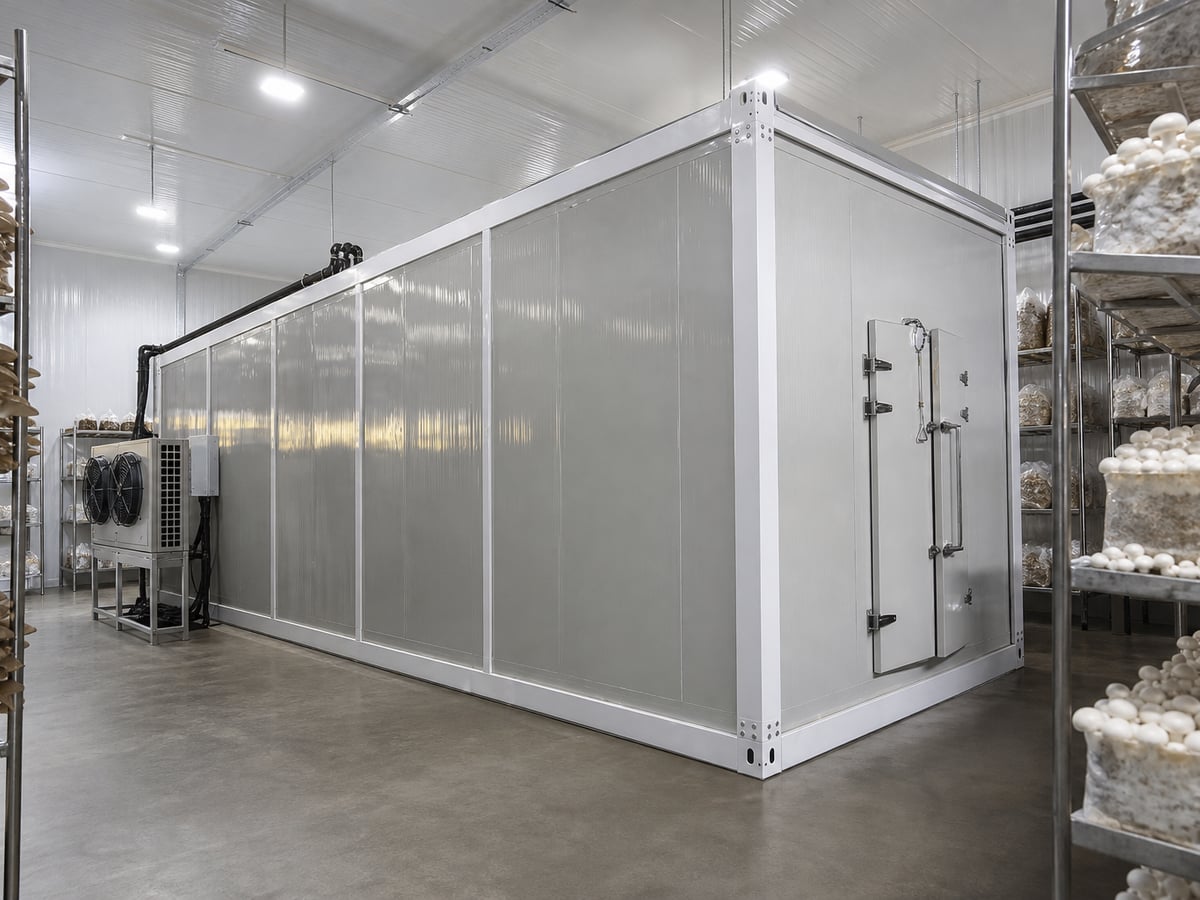
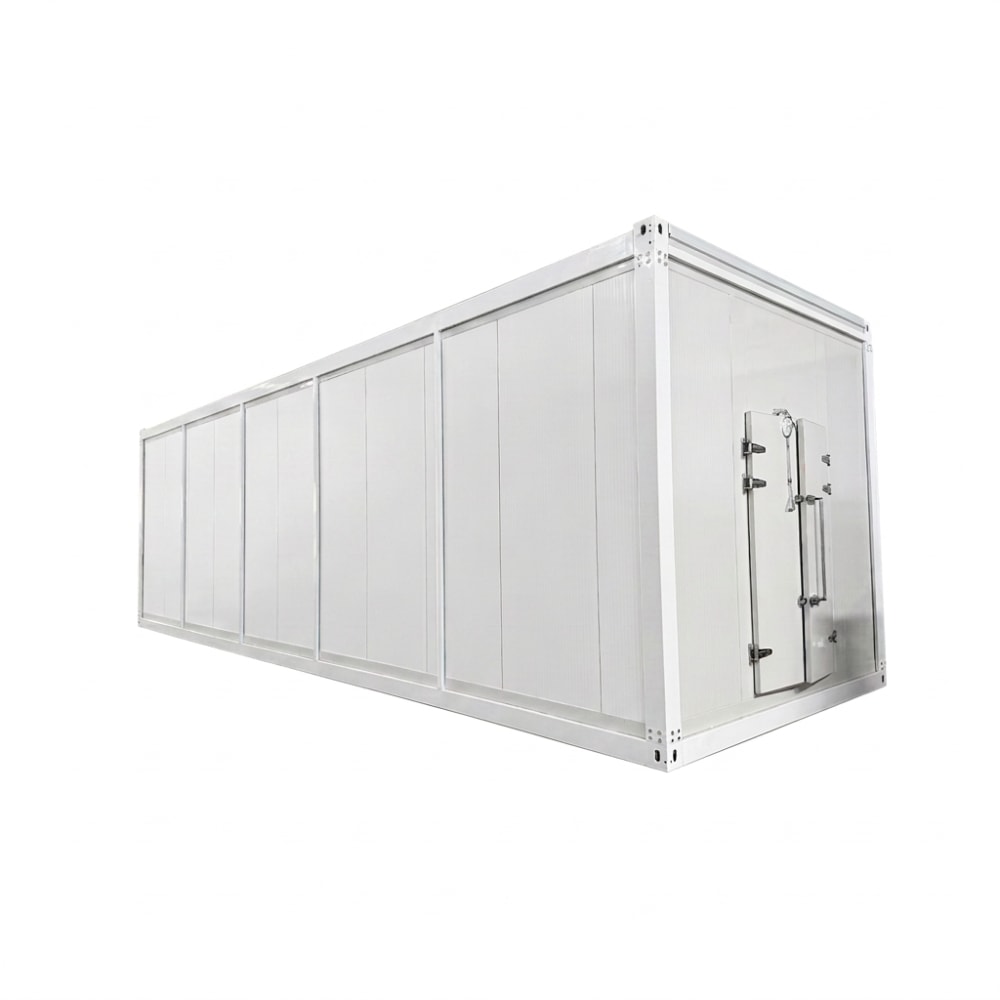
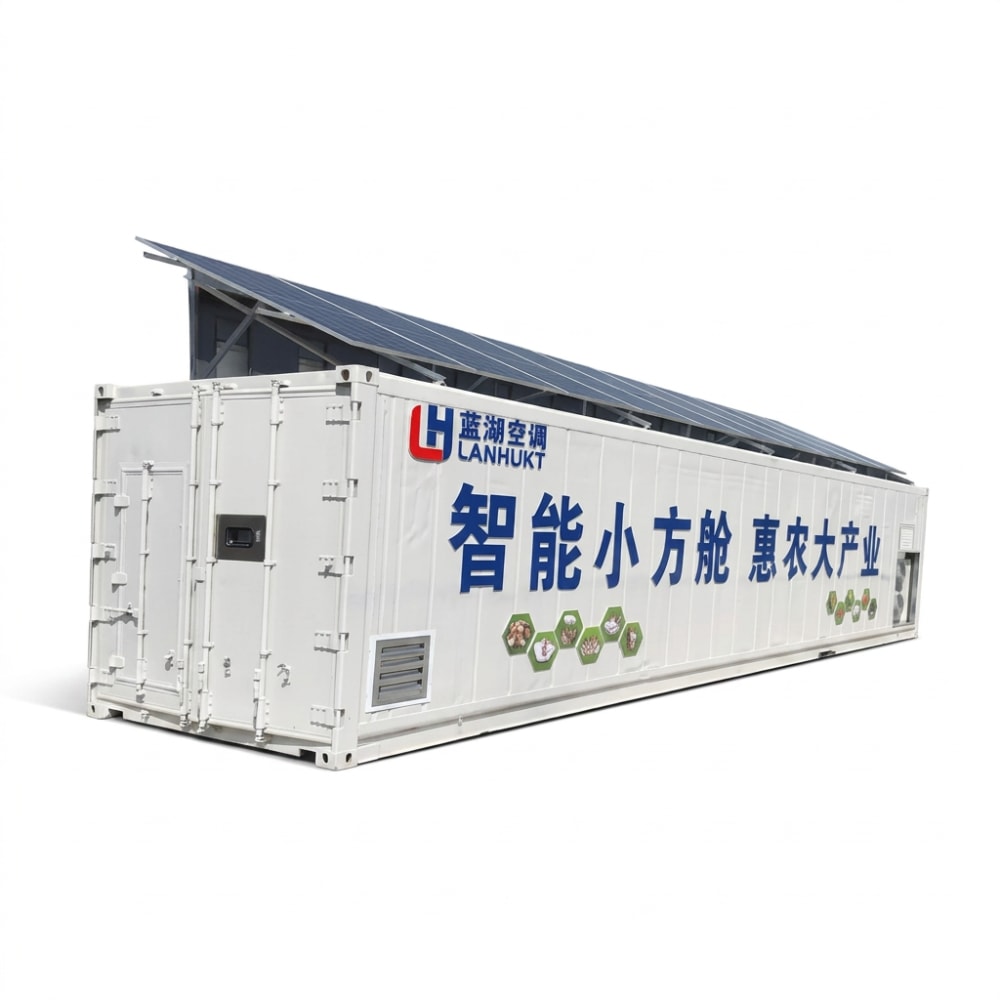
Smart Mushroom Cultivation Container
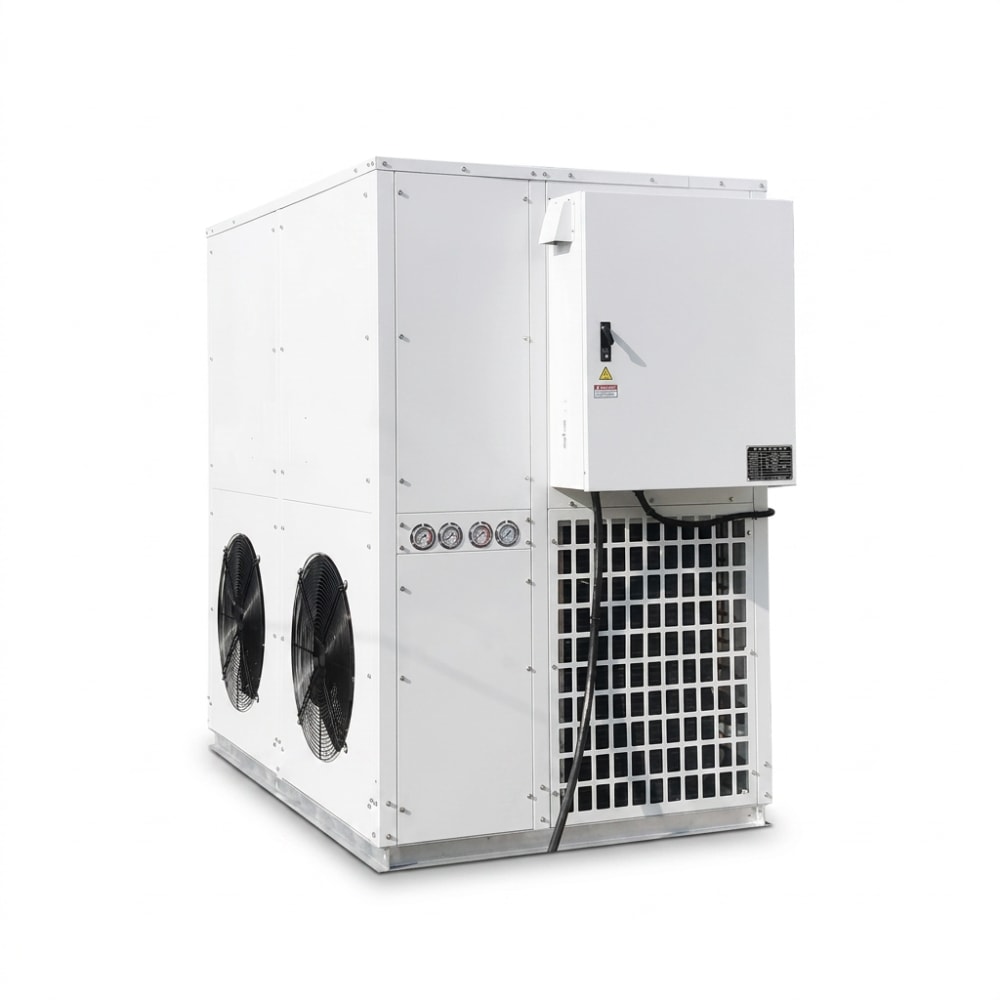
Smart Mushroom Climate Controller
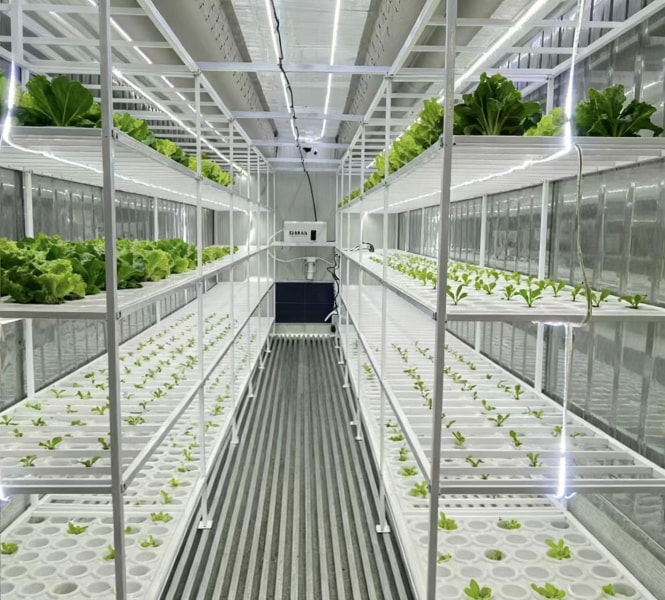
Smart Hydroponic Plant Container
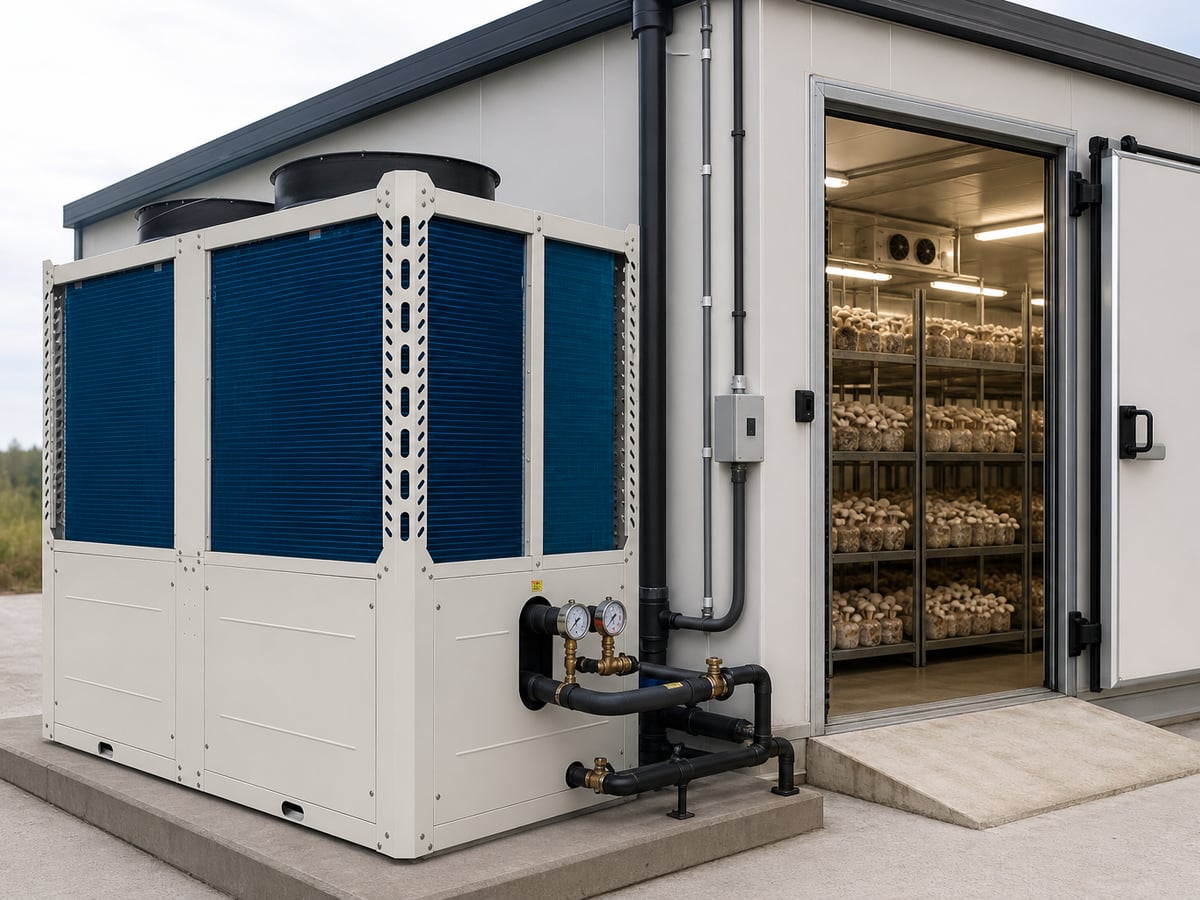
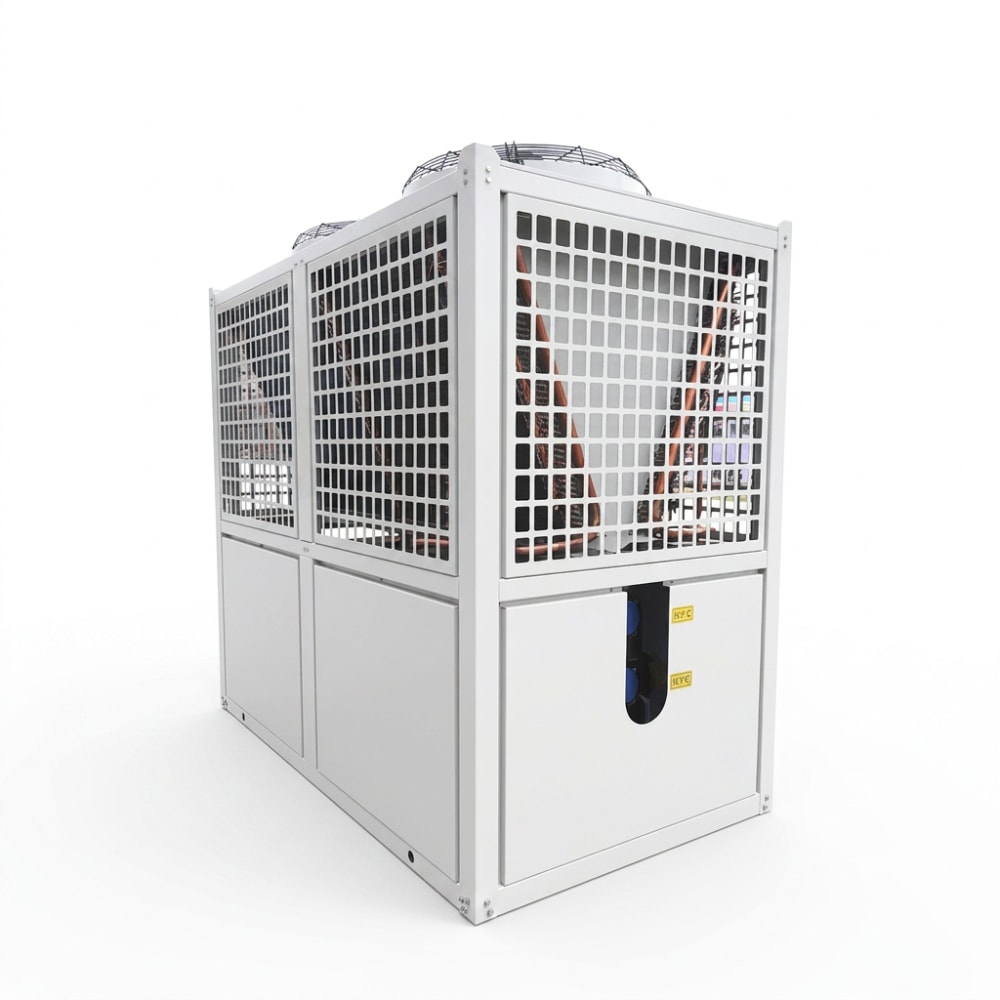
Air Source Heat Pump
Global Market Commercial Mushroom Farming Operations Guide
Commercial mushroom farming is a controlled-environment production system in which substrate quality, spawn vigor, temperature, humidity, fresh-air exchange, carbon dioxide concentration, sanitation, harvesting discipline, and cold-chain handling must operate as one process. For the Global Market, the most reliable way to improve yield and reduce operating risk is to design the farm around measurable crop requirements rather than around building size alone.A commercial operator should first select the species, sales channel, substrate strategy, crop cycle, target weekly output, and local utility conditions. From there, calculate room volume, shelving or bag capacity, HVAC load, humidification demand, fresh-air requirement, labor hours, packaging capacity, and cold-storage needs. Oyster mushrooms, shiitake, lion’s mane, button mushrooms, enoki, and specialty medicinal varieties all require different environmental profiles and workflows.For many new projects, modular cultivation rooms or smart mushroom cultivation containers provide a practical starting point because insulation, airflow, refrigeration, heating, humidification, electrical controls, and crop racks can be integrated into a repeatable production unit. Larger farms may use purpose-built insulated rooms connected to a centralized plant, but they still need independent environmental zones for incubation, fruiting, packing, and storage.The commercial objective is not simply to produce mushrooms. It is to deliver a consistent volume of clean, uniform, shelf-stable product at a predictable cost per kilogram. The best projects combine biological knowledge with robust industrial climate control, documented sanitation procedures, operator training, and a sales plan that matches local demand.Mushroom production is biologically sensitive but operationally manageable when the farm is treated like a food-processing facility with living crops. Mycelium grows through substrate during incubation, then forms fruiting bodies when temperature, humidity, carbon dioxide, light, and airflow signal the correct conditions. Small deviations can reduce biological efficiency, delay pinning, create long stems, dry caps, bacterial blotch, uneven flushes, or widespread contamination.Commercial farms generally operate through one of three business models:Fresh mushroom grower: buys ready-to-fruit blocks or compost and focuses on fruiting, harvesting, packing, and sales. Integrated substrate-to-market farm: produces or pasteurizes substrate, inoculates it, incubates blocks, fruits mushrooms, packs them, and distributes directly. Spawn, substrate, or contract-growing supplier: sells production inputs or grows on behalf of retail, foodservice, or branded partners. The first model has lower technical complexity and can be suitable for urban distribution hubs such as Rotterdam, Dubai, Singapore, Los Angeles, Sydney, Johannesburg, or São Paulo. The integrated model can achieve greater input control and margin but needs stronger sanitation, steam or heat treatment capacity, substrate logistics, laboratory discipline, and trained technical management.Product selection should follow demand before equipment purchase. Oyster mushrooms are often chosen for rapid cycles and broad culinary acceptance. Shiitake can command premium pricing but may require longer incubation and careful post-harvest handling. Lion’s mane serves specialty retail, wellness-focused restaurants, and direct-to-consumer channels. Button mushrooms remain a large-volume category but demand compost infrastructure and tightly managed harvesting labor. Enoki and king oyster mushrooms can support export-oriented premium programs where cold-chain capability is strong.Commercial Product TypeTypical Market PositionProduction ComplexityKey Climate PriorityCommon Sales ChannelOyster mushroomAccessible fresh specialty mushroomModerateFresh-air exchange and humidity balanceWholesale, restaurants, retailShiitakePremium culinary productModerate to highStable fruiting temperature and clean handlingRetail, Asian grocers, foodserviceLion’s manePremium wellness and gourmet productHighHumidity, low contamination, gentle airflowDirect sales, chefs, specialty retailKing oysterPremium versatile culinary productHighCO2 management and crop uniformityRetail chains, export distributorsButton mushroomHigh-volume mainstream categoryHighCompost, casing, cooling, harvesting laborSupermarkets, processorsEnoki mushroomPremium Asian-market productVery highLow-temperature precision and hygieneAsian retail, export, foodserviceThis comparison shows why mushroom species selection is a commercial decision as much as an agricultural one. A species with a higher selling price may still be less profitable if it requires long incubation, highly skilled labor, slow turnover, or a market that cannot absorb weekly production.Before signing a lease or ordering equipment, validate the addressable market. Speak with produce distributors, chefs, supermarkets, meal-kit companies, food processors, Asian grocery stores, and farm-shop buyers. Confirm weekly volume, preferred pack size, acceptable grade range, delivery days, payment terms, and whether buyers want loose bulk product, 150 g to 300 g retail punnets, or branded mixed-mushroom packs.Environmental control directly determines crop physiology. If temperature rises above the preferred range, mushrooms may mature too quickly, become soft, or produce lower-quality caps. If relative humidity is too low, pins abort and fruiting bodies lose weight. If humidity remains high without adequate air movement, condensation can promote bacterial problems. If carbon dioxide accumulates, oyster mushrooms can develop long stems and undersized caps; if air movement is excessive, caps may dry or crack.Yield should be measured using biological efficiency, crop weight per block, crop weight per square meter, and saleable yield after grading. A farm can appear productive while losing profitability through excessive trimming, damaged product, short shelf life, poor package weights, or discarded second-grade mushrooms. Daily data collection is therefore a core management tool, not an administrative burden.Operating risk also includes utility interruption, poor water quality, failed sensors, refrigeration breakdown, supplier inconsistency, contamination entering through raw materials, and sales volatility. A resilient mushroom farm separates clean and dirty processes, maintains critical spare parts, alarms deviations early, and avoids dependence on a single buyer or substrate supplier.Risk FactorLikely SymptomCommercial ImpactEarly Warning MeasurementPrimary Corrective ActionHigh CO2Long stems, small caps, uneven clustersLower grade and reduced priceCO2 trend above crop setpointIncrease controlled fresh air and rebalance airflowLow humidityAborted pins, cracked caps, low weightReduced saleable yieldRH below target during pinningInspect humidification, leakage, and fan settingsSurface condensationBacterial blotch and wet capsShort shelf life and rejectionVisible water, dew point mismatchImprove air distribution and reduce over-humidificationContaminated substrateGreen mold, sour odor, slow colonizationBlock loss and cross-contaminationIncoming batch inspection and incubation samplingIsolate lot, improve pasteurization or supplier controlsCooling failureRapid crop maturation and heat stressFlush loss and delivery failureHigh-temperature alarmUse backup response plan and repair immediatelyPoor harvest timingOvermature mushrooms, excess sporesLower shelf life and poor appearanceDaily maturity checksTrain pickers and adjust harvest scheduleThe table demonstrates that most production losses begin as a measurable deviation before they become a visible crop failure. For this reason, farms should keep digital or manual records of room temperature, relative humidity, CO2, equipment status, crop age, contamination observations, harvest weight, discard volume, and customer returns.In the Global Market, food safety and traceability expectations are rising. Retailers and importers increasingly ask for lot identification, cleaning records, worker hygiene procedures, pesticide policies, water management plans, and consistent cold-chain documentation. A well-designed facility supports these requirements by making cleaning easy, limiting standing water, using washable insulated surfaces, and separating receiving, cultivation, packing, and dispatch routes.Design assumptions must be crop-specific. A generic “mushroom room” is rarely enough for commercial consistency. Each species and crop stage needs its own acceptable operating band. Incubation generally requires less fresh air and often warmer conditions than fruiting. Fruiting requires strong environmental response, uniform air distribution, controlled humidification, and adequate CO2 removal without exposing mushrooms to harsh drafts.The following ranges are planning references only. Final setpoints should be confirmed against the selected strain, substrate format, local climate, and technical guidance from the spawn supplier. Operators should test settings in a pilot room before scaling to multiple rooms.ParameterIncubation Planning RangeFruiting Planning RangeHow to MeasureWhy It MattersAir temperatureUsually 20–28°C depending on speciesOften 12–22°C depending on speciesCalibrated room sensors at crop levelControls metabolism, pinning, and maturation speedRelative humidityModerate room control; block moisture is criticalCommonly 85–95% RHRH sensors with routine verificationSupports pin formation and product weightCarbon dioxideHigher levels usually toleratedSpecies-specific, often tightly controlledNDIR CO2 sensorShapes stems, caps, and crop uniformityFresh-air exchangeLow to moderateModerate to high as required by cropFan speed, damper position, CO2 responseRemoves CO2, heat, and moistureAir velocityGentle and uniformGentle movement across cropAirflow testing and smoke visualizationPrevents stagnant zones without drying capsLightUsually low or not requiredLow-intensity diffuse light for many speciesLux meter and timer verificationSupports morphology and operator visibilityWater qualityClean water for humidification and cleaningClean, low-residue water preferredpH, hardness, microbial testingProtects nozzles, crop surfaces, and hygieneThese parameters must be understood as a system. For example, a room at 90% RH can still dry mushrooms if supply air is too cold, too fast, or poorly distributed. Likewise, adding fresh air to lower CO2 can unexpectedly reduce humidity and increase cooling or heating demand. Smart control logic should coordinate fans, refrigeration, heating, humidification, dampers, and alarms instead of operating each device independently.Room capacity should be calculated from saleable output, not nominal shelf count. Start with desired weekly sales, divide by expected saleable yield per block or per square meter, then account for crop cycle length, flush distribution, reserve capacity, and unavoidable downtime for deep cleaning. A practical design commonly includes separate rooms or zones so that one crop age does not force the entire farm into the same harvest schedule.For projects near humid tropical ports such as Jakarta, Ho Chi Minh City, Mombasa, and Santos, dehumidification and mold prevention may be more important than heating. In cold climates around Toronto, Warsaw, Helsinki, or northern China, heating load, frost protection, and heat recovery require more attention. In hot, dry regions such as Riyadh, inland Australia, or parts of Mexico, cooling and water-efficient humidification become critical design priorities.A commercial mushroom facility requires more than cooling equipment. The infrastructure must create stable conditions, allow cleaning, protect workers, and support a repeatable workflow. At minimum, the farm needs insulated cultivation rooms, shelving or hanging systems, climate equipment, cleanable flooring, drainage where appropriate, reliable power, water treatment, packing space, cold storage, and basic quality-control tools.A purpose-built smart mushroom climate controller can coordinate temperature, humidity, CO2, fresh-air exchange, lighting, alarms, and historical data. This is particularly valuable when operators run multiple rooms with different crop ages or species. Remote monitoring can reduce response time during nights, weekends, or utility events, but it should supplement—not replace—routine on-site inspection.Equipment or InfrastructureMain FunctionSelection ConsiderationOperational CheckConsequence if UndersizedInsulated panels and doorsReduce heat gain, heat loss, and condensationInsulation thickness, vapor sealing, washabilityInspect joints, seals, and thermal bridgesHigh energy use and unstable conditionsCooling and heating systemMaintains crop temperatureLocal ambient design temperature and redundancyCheck capacity, defrost, and alarmsHeat stress or slow crop developmentHumidification systemMaintains fruiting humidityDroplet size, water quality, room coverageInspect nozzles, filters, and drainageDry pins, low weight, uneven flushesFresh-air fans and dampersControls CO2 and air renewalVariable speed and balanced distributionVerify airflow paths and damper responseMalformed mushrooms and stagnant zonesCO2, RH, and temperature sensorsProvides automated control feedbackAccuracy, placement, calibration accessCompare against handheld instrumentsIncorrect control decisionsRacks, shelves, or hanging railsHolds bags, blocks, trays, or bedsLoad rating, access, corrosion resistanceInspect stability and cleaning conditionPoor labor efficiency and contamination trapsCold room and packing benchesPreserves quality after harvestDaily throughput and packaging formatRecord product temperature and sanitationShort shelf life and customer complaintsThis equipment list explains why low-cost construction shortcuts frequently become expensive later. Inadequate insulation increases compressor run time. Poorly positioned sensors result in false readings. Unbalanced fans create dry zones near supply air and wet zones near walls. Insufficient packing space causes harvested mushrooms to wait too long at room temperature, reducing freshness before delivery.Lanhu supports commercial projects with integrated cultivation solutions designed around agricultural climate control. Its technological capability is rooted in more than 12 years of thermodynamic research and development, with control approaches that integrate refrigeration, heating, humidification, ventilation, and sensor feedback for mushroom environments. For operators seeking compact deployment, its modular systems can combine the cultivation envelope and environmental hardware in one engineered unit.Manufacturing capability matters when projects require consistent panels, electrical assembly, sheet-metal components, insulation construction, control cabinets, and tested systems. Shandong Lanhu Air Conditioning Equipment Co., Ltd. operates a modern manufacturing facility in Dezhou, Shandong, covering more than 30,000 square meters. Its production process includes engineering development, CNC bending, insulation-panel production, electrical assembly, system integration, and functional testing before shipment. This integrated approach helps reduce interface risk between building, HVAC, and control components.A profitable farm uses a documented workflow from incoming material to dispatch. The exact details vary by mushroom type, but the central rule is to keep raw materials, incubation, fruiting, harvested product, waste, and personnel movement under control. Every operator should know which areas are clean, which are transitional, and which are high-risk.Receive and inspect inputs: Check substrate blocks, spawn, packaging, labels, and sanitation supplies. Record supplier lot numbers, delivery temperature, visible contamination, moisture condition, and quantity. Quarantine questionable lots: Do not place suspicious blocks directly into production rooms. Isolate them until the supplier issue is confirmed. Incubate by batch: Group blocks of the same species, supplier lot, and age where possible. This improves troubleshooting and harvest forecasting. Move into fruiting rooms: Initiate fruiting according to the crop plan. Avoid unnecessary handling, damage to bags, and abrupt environmental changes. Monitor room data daily: Review current readings and trends for temperature, RH, CO2, equipment runtime, alarms, and crop appearance. Harvest at the correct maturity: Pick cleanly, avoid crushing nearby clusters, trim consistently, and move product quickly to the packing area. Cool, pack, label, and dispatch: Maintain lot traceability, product temperature, pack weight, and buyer-specific labeling requirements. Clean and reset rooms: Remove spent substrate promptly, wash surfaces, inspect drains and seals, and verify room conditions before the next batch. Staff should use dedicated footwear or footbaths where appropriate, clean tools between rooms, wash hands before packing, and avoid moving directly from waste handling into clean cultivation zones. A simple color-coded trolley and tool system can reduce cross-contamination. Written standard operating procedures should be available in the language used by the workforce.For a staged commercial facility, schedule rooms so harvest volume is distributed across the week. This protects labor utilization and ensures regular deliveries to customers. A farm that produces its entire crop on one or two peak days may suffer from overtime, packing congestion, poor cooling, and market oversupply.Capacity planning starts with the sales forecast. If the target is 2,000 kg of saleable fresh mushrooms per week, the farm must calculate the number of active blocks or beds needed at every crop stage, not merely the number harvested each week. Include a contingency allowance for variable biological efficiency, rejected blocks, cleaning downtime, maintenance, and seasonal sales variation.Energy is usually one of the largest controllable operating costs, especially in locations with hot summers, cold winters, or high humidity. Energy demand comes from cooling, heating, ventilation, humidification, dehumidification, lighting, cold storage, pumps, and packing equipment. High-performance insulation, correct equipment sizing, variable-speed fans, sensible air recirculation, heat recovery where feasible, and well-maintained door seals can materially reduce consumption.Cost CategoryTypical Cost DriverHow to Control ItUseful KPIPlanning NoteSubstrate and spawnBlock price, delivery, contamination rateQualify suppliers and measure lot performanceSaleable kg per blockCheapest input is not always lowest-cost inputElectricityClimate load and utility tariffInsulation, controls, maintenance, schedulingkWh per kg soldModel summer and winter separatelyLaborHarvesting, trimming, packing, cleaningErgonomic layout and staggered crop cycleskg packed per labor hourHarvest peaks often drive overtimePackagingPunnets, film, labels, cartonsStandardize pack formats and reduce wastePackaging cost per kgRetail packaging needs accurate weight controlFreight and deliveryDistance, temperature control, route densityConsolidate routes and plan delivery daysDelivery cost per kgLocal sales can protect freshness and marginMaintenanceFilters, sensors, refrigeration partsPreventive maintenance and critical sparesUnplanned downtime hoursNeglected maintenance risks entire cropsProduct lossContamination, poor grading, spoilageData review and faster cold-chain handlingDiscard percentageTrack loss by room and customerThe table highlights the need to manage unit economics rather than only revenue. For example, a premium product may justify more labor-intensive packing if the buyer pays for quality and consistency. Conversely, a bulk wholesale program needs fast picking, low packaging cost, reliable crate handling, and disciplined delivery routes.Labor requirements depend heavily on product format. Oyster mushrooms sold in bulk may require less trimming than small premium retail packs. Button mushroom harvesting can be highly labor intensive. Specialty mushrooms often need careful cluster separation, visual grading, and gentler packing. Design shelves and aisles for worker access; poor ergonomics slows harvest, increases damage, and raises staff turnover.When comparing suppliers, request a capacity calculation based on location, room dimensions, crop load, outdoor design temperatures, target setpoints, fresh-air requirements, and number of doors opened per day. Avoid accepting an equipment proposal based solely on square meters. A heavily loaded fruiting room in Manila or Dubai has a different moisture and cooling profile from an identical room in Hamburg or Vancouver.The most common commercial mistake is underestimating climate engineering. A standard air conditioner may lower room temperature but cannot necessarily control humidity, CO2, airflow distribution, fresh-air intake, and condensation simultaneously. Mushroom rooms need crop-level environmental management, not only room cooling.Another frequent mistake is mixing incubation and fruiting in one room to save initial capital. This can work at very small scale, but it complicates climate setpoints, contamination control, harvest scheduling, and labor. As production increases, separate zones generally improve consistency and make crop problems easier to isolate.Failure: unreliable readings. Sensors placed close to humidifiers, doors, coils, or supply outlets may not represent crop conditions. Correction: install sensors at representative crop height and verify them with calibrated handheld instruments. Failure: over-humidification. Operators see dry edges and add more water, creating condensation elsewhere. Correction: inspect airflow, dew point, nozzle distribution, and fan speed before increasing humidity output. Failure: weak sanitation between cycles. Spent substrate and debris remain near active rooms. Correction: establish waste routes, deep-clean schedules, and inspection sign-off before reloading. Failure: no production data. Harvest figures are recorded only as total kilograms. Correction: measure yield by room, batch, block supplier, crop age, grade, and discard reason. Failure: inadequate cold chain. Mushrooms sit in harvest crates while the team finishes picking. Correction: use smaller harvest batches, shaded staging, rapid cooling, and dispatch discipline. Failure: one buyer concentration. A single customer changes orders or payment terms. Correction: develop wholesale, restaurant, retail, and direct channels where possible. Commercial farms should also maintain contingency plans. At minimum, document procedures for power interruption, high-temperature alarms, refrigeration faults, water supply disruption, major contamination, staff absence, transport failure, and product recall. Emergency contacts, spare sensor stock, fan belts or drives, filters, backup communication, and alternative refrigerated transport can protect against expensive losses.A disciplined implementation sequence reduces costly redesign. Begin with the customer and crop, then work backward through capacity, building layout, environmental equipment, labor, utilities, and financial model. Do not treat the container, room, or HVAC system as an isolated purchase.Define target mushroom species, weekly sales volume, pack formats, and intended buyers. Confirm local demand through distributor, retailer, chef, and foodservice interviews. Select the production model: ready-to-fruit blocks, integrated substrate production, or contract growing. Evaluate site access, utility capacity, drainage, water quality, labor availability, and proximity to customers. Calculate capacity using saleable yield, crop cycle, flush pattern, downtime, and contingency allowance. Separate receiving, incubation, fruiting, packing, cold storage, dispatch, and waste-management routes. Specify climate control around actual ambient conditions and crop setpoints. Choose washable materials, sealed insulation, corrosion-resistant racks, and accessible service areas. Install calibrated sensors, remote alarms, and data logging before loading the first crop. Develop SOPs for hygiene, harvest, packing, cleaning, maintenance, and traceability. Run a pilot cycle, review results, then scale room by room. Maintain working capital for substrate purchases, labor, packaging, utilities, and customer payment delays. For international projects, supplier coordination is also important. Confirm shipping method, destination port, spare-parts package, electrical standard, installation responsibilities, customs documentation, local technician availability, and commissioning schedule. Dezhou manufacturers may ship equipment through Qingdao or Tianjin, while project owners receiving in Jebel Ali, Rotterdam, Durban, or Long Beach should plan inland transport and site access in advance.Lanhu’s service capability includes factory-direct supply, OEM and ODM customization, engineering assistance, international logistics support, spare-parts support, installation guidance, and after-sales service for contractors, distributors, engineering companies, and commercial farms. Operators can review commercial cultivation project cases to compare practical configurations, explore custom engineering and OEM/ODM options, or contact the technical team for project-specific capacity planning.Looking toward 2026, the Global Market will see more sensor-based crop analytics, remote fault diagnostics, variable-speed climate systems, heat-pump integration, water-efficient humidification, recyclable packaging, and traceability platforms. Food-security policies, urban agriculture incentives, energy-efficiency standards, and retailer sustainability requirements are likely to increase demand for controlled-environment farms that can prove resource use and product consistency. The most competitive operators will combine low energy intensity with reliable local supply, minimal food waste, and transparent quality records.How much space is needed for a commercial mushroom farm?Space depends on species, crop system, target output, and whether the farm makes its own substrate. A compact container-based project can begin with one or several modular units, while larger farms need separate areas for incubation, fruiting, packing, cold storage, and waste handling. Calculate from weekly saleable output rather than floor area alone.Which mushroom is best for a new commercial operator?Oyster mushrooms are often a practical starting point because they have relatively fast cycles and broad market acceptance. However, the best choice depends on local buyers, available substrate, climate, price expectations, and technical capability. Premium specialty mushrooms may offer stronger margins where demand is proven.Can mushroom farming be profitable in hot climates?Yes, but climate-control costs must be designed carefully. In hot regions, insulation, cooling capacity, door management, humidity control, and preventive maintenance become central to profitability. A site-specific energy model is essential.What is the most important environmental measurement?There is no single measurement. Temperature, relative humidity, CO2, airflow, and crop appearance must be evaluated together. CO2 is especially important in fruiting rooms because it strongly affects mushroom shape and quality.How often should a cultivation room be cleaned?Basic cleaning should occur continuously during operation, while a deep clean should be completed between crop cycles or batches according to the farm’s contamination risk and production schedule. Cleaning should include racks, floors, drains, doors, walls, tools, and air-distribution surfaces.Should a farm use a container or a conventional building?Containers are useful for rapid deployment, pilot production, modular expansion, and sites where construction time is limited. Conventional insulated buildings may suit larger integrated farms. The best choice depends on capacity, site conditions, budget, local construction cost, and future expansion plans.What records should a commercial mushroom farm keep?Maintain batch records, supplier details, climate logs, sensor calibration checks, harvest weights, grades, discard reasons, cleaning logs, maintenance records, packaging data, dispatch records, customer complaints, and corrective actions.How can operators reduce mushroom spoilage after harvest?Harvest at the correct maturity, minimize handling, cool product quickly, use suitable packaging, maintain clean packing conditions, and keep refrigerated storage and transport stable. Shelf-life performance should be measured by customer channel and delivery distance.
Global Mushroom Growing Containers: Specs and Buyer Guide
A mushroom growing container is an insulated, climate-controlled modular unit designed to provide stable growing conditions for commercial mushroom production. It combines a container structure, refrigeration or heat-pump equipment, humidification, fresh-air exchange, CO2 control, circulation fans, lighting, shelving, drainage, and a programmable climate controller.For the Global Market, a commercial mushroom cultivation container is commonly used by farms that need predictable production without constructing a permanent growing building. It is suitable for oyster mushrooms, shiitake, lion’s mane, enoki, button mushrooms, king oyster mushrooms, medicinal mushrooms, and selected specialty fungi, depending on the selected climate range and cultivation method.Buyers typically choose containerized mushroom farms when they require rapid deployment, controlled production quality, expansion in phases, transportable assets, or production near urban food markets. A modular mushroom growing unit can be installed near agricultural zones, food-distribution centers, hotels, restaurants, laboratories, supermarkets, and rural cooperatives.For an initial project, buyers should define the mushroom species, substrate block size, target monthly output, local ambient temperature, electricity availability, water quality, required certifications, shipping route, and whether the container will be used for incubation, fruiting, or both. A properly specified unit helps reduce climate instability, contamination exposure, labor variability, and crop-loss risk.Buyer NeedRecommended Container SolutionPrimary BenefitSmall pilot farm10-foot or 20-foot fruiting containerLower initial investment and easier trainingCommercial fresh mushroom sales40-foot high-cube fruiting containerHigher rack capacity and scalable outputHot-climate productionEnhanced cooling, insulation, and heat-pump systemMore stable temperature control in high ambient heatCold-region farmingHeating module with insulated panels and freeze protectionReliable winter operationMultiple mushroom speciesSeparate climate zones or multiple containersReduces compromise between crop recipesUrban farm or food hubLow-noise container with remote monitoringImproved operational control near customersThe table above shows why container selection should start with the production model rather than the container size alone. A 40-foot container may offer more growing space, but its value depends on whether the farm has enough substrate supply, trained labor, market demand, and utility capacity to operate it consistently.A mushroom growing container is a prefabricated controlled-environment cultivation room built around a shipping-container frame or a purpose-built insulated modular enclosure. It is engineered to maintain the temperature, humidity, CO2 concentration, airflow, and hygiene conditions required during mushroom fruiting or incubation.Unlike a conventional agricultural shed, a mushroom container uses an enclosed and controlled system. Fresh air is introduced through filtered inlets, internal air is circulated to reduce dead zones, moisture is added through humidification equipment, and temperature is managed by cooling, heating, or heat-pump technology. Sensors continuously report environmental values to the control system.In the Global Market, mushroom cultivation containers are used across Asia, Europe, the Middle East, Africa, North America, Latin America, Australia, and island markets where construction costs, land limitations, climate variability, or logistics make modular farming attractive. Buyers may deploy units near Rotterdam, Hamburg, Dubai, Singapore, Los Angeles, Melbourne, Lagos, São Paulo, or regional agricultural hubs connected to ports and cold-chain distribution routes.Common applications include farm expansion, commercial mushroom cultivation, restaurant supply programs, supermarket private-label production, agricultural demonstration projects, vocational training centers, research trials, rural development initiatives, and climate-smart food production projects. Some operators use containers only for fruiting, while others create a modular production line with separate incubation, fruiting, packing, and cold-storage modules.For projects requiring an integrated solution, buyers can review a smart mushroom cultivation container solution to understand typical layouts, environmental systems, and commercial applications.Industry or UserTypical UseKey Selection PriorityCommercial mushroom farmContinuous fruiting productionCapacity, automation, energy efficiencyAgricultural contractorTurnkey projects for farm clientsEngineering support and customizationFood distributorLocal fresh mushroom supplyReliable harvest schedulingHotel or restaurant groupPremium on-site or local sourcingCompact footprint and clean appearanceUniversity or research centerVariety trials and cultivation studiesData logging and adjustable recipesRural cooperativeShared production and employment projectSimple operation and service accessibilityThese applications demonstrate that the product is not limited to large industrial farms. A container farm can serve as an independent revenue unit, a production expansion module, or a standardized system replicated across multiple locations.A standard mushroom growing container generally includes the insulated container body, internal growing racks, climate-control equipment, ventilation components, humidification system, electrical cabinet, sensors, drainage arrangement, interior lighting, access door, and digital controller. The exact system boundary should be confirmed before ordering because “container” can mean either the complete cultivation room or only the insulated shell.A complete commercial system normally controls the fruiting environment inside the container. It does not automatically include substrate production, sterilization, inoculation, spawn supply, cold storage, packing equipment, building foundations, external water tanks, backup generators, or local electrical installation unless these items are specifically listed in the quotation.Buyers should request a clear responsibility matrix. This prevents misunderstandings about whether the supplier provides electrical cabling beyond the container, exterior drainage, crane unloading, on-site assembly, ventilation duct extensions, remote network access, or local certification support.Standard Configuration ItemTypical FunctionScope Confirmation NeededInsulated container enclosureMaintains an isolated cultivation environmentPanel thickness, floor design, door typeCooling and heating systemControls growing-room temperatureAmbient design temperature and power ratingHumidification equipmentMaintains crop humidity requirementsWater quality, filtration, drainageFresh-air and exhaust systemRemoves CO2 and supplies oxygenAirflow rate, filtration level, duct routingClimate controllerAutomates environmental setpointsLanguage, recipes, remote-access methodGrowing racksHolds substrate blocks, bags, or traysTier count, loading method, material gradeElectrical cabinetProtects and distributes powerVoltage, frequency, local electrical standardThe table clarifies standard system boundaries. A buyer should avoid comparing quotations based only on exterior dimensions because two containers with the same size can differ significantly in insulation quality, refrigeration capacity, control accuracy, rack loading, and automation level.Capacity is commonly measured by the number of substrate blocks, bags, bottles, trays, or kilograms of fresh mushrooms produced per cultivation cycle. The actual harvest depends on mushroom species, substrate formula, biological efficiency, crop management, harvest schedule, block density, and environmental consistency.A 20-foot container may be appropriate for pilot production or a specialty crop program. A 40-foot high-cube mushroom growing container is more common for commercial fruiting because it provides a longer rack layout, larger air volume, and more efficient use of climate-control equipment. However, higher capacity also requires more disciplined substrate planning and harvest labor.Container TypeTypical External SizeIndicative Growing UseUtility Consideration10-foot containerApproximately 3 m longTrials, training, premium specialty mushroomsLower power demand but limited production volume20-foot standard containerApproximately 6 m longSmall commercial fruiting roomRequires stable power, water, and drainage40-foot standard containerApproximately 12 m longMedium-scale commercial mushroom growingHigher cooling and ventilation load40-foot high-cube containerApproximately 12 m long with added heightHigher-density racks and improved accessSuitable for larger crop turnoverDual-container installationTwo connected modulesSeparate incubation and fruiting stagesNeeds coordinated power and drainage planningMulti-container farmThree or more modulesScalable regional production siteMay require transformer, water storage, and backup powerBefore purchase, provide the local voltage and frequency, such as 380–415V/50Hz or 460V/60Hz, together with available phase configuration. The supplier should match motors, compressors, protection devices, control components, and plugs to the destination market. Water demand depends on humidification technology, local air dryness, ventilation rate, and crop setpoints. Hard water may require filtration or softening to prevent nozzle blockage and mineral buildup.Site planning should include a level concrete base or engineered supports, access for delivery vehicles, safe drainage, sufficient clearance for maintenance, and a route for lifting equipment. Projects delivered through Qingdao, Shanghai, Ningbo, Shenzhen, Rotterdam, Jebel Ali, Durban, or Santos should also account for inland transportation dimensions, road restrictions, and local crane availability.Mushroom production depends on environmental control, but the correct setpoint varies by species and crop stage. Incubation often requires different temperature and ventilation conditions from fruiting. Oyster mushrooms may require strong fresh-air exchange during fruiting, while shiitake and lion’s mane programs may use different temperature, humidity, lighting, and CO2 strategies.Temperature control is usually provided by a refrigeration system, heating source, air-source heat pump, or combined HVAC configuration. Humidity is maintained through high-pressure misting, ultrasonic humidification, fogging, or another specified method. CO2 control is achieved by balancing fresh-air intake, exhaust airflow, internal circulation, and sensor-based automation.Environmental ParameterTypical Commercial Control ObjectiveWhy It MattersTemperatureSpecies-specific stable setpoint rangeInfluences pinning, growth speed, and crop qualityRelative humidityHigh humidity without excessive surface condensationSupports fruit body development and reduces dryingCO2 concentrationControlled through ventilation and sensor feedbackShapes stems, caps, density, and yield qualityFresh-air exchangeAdjusted by crop stage and occupancy loadRemoves CO2, heat, and excess moistureInternal airflowUniform circulation without direct crop stressReduces climate variation between rack levelsLightingTimer-controlled low-intensity illumination where neededSupports species requiring light for fruiting developmentThe values in the table are control categories rather than universal recipes. A reliable supplier should configure the system according to the mushroom variety, substrate type, local climate, and desired crop schedule. Excess airflow can dry mushroom surfaces, while insufficient airflow may raise CO2 levels and create uneven growth. Excessive humidity can cause condensation and hygiene problems, while low humidity can reduce product quality.A dedicated smart mushroom climate controller can simplify recipe management by allowing operators to set temperature, humidity, ventilation, CO2, lighting, and alarm thresholds from one interface. For commercial farms, sensor calibration, alarm logic, fan interlocks, compressor protection, and data history are as important as the displayed setpoint.For hot and humid destinations such as Southeast Asia, the Gulf region, coastal Africa, and tropical Latin America, buyers should request performance confirmation at the highest expected outdoor temperature and humidity. For cold climates in Northern Europe, Central Asia, Canada, or mountainous regions, heating load, defrost logic, insulation thickness, and freeze protection should be evaluated before finalizing the design.The quality of a mushroom container depends on both visible materials and internal engineering. Insulated wall panels, floor construction, door sealing, drainage slope, rack structure, electrical protection, corrosion resistance, and service access all affect long-term farm performance.Commercial units commonly use polyurethane or similar insulated panels, galvanized or coated steel framing, stainless-steel or corrosion-resistant growing racks, washable interior surfaces, LED lights, sealed electrical enclosures, insulated doors, and drainage channels. Material selection should reflect the humidity level, cleaning chemicals, local climate, and intended years of operation.Shandong Lanhu Air Conditioning Equipment Co., Ltd. integrates thermodynamic engineering experience into its mushroom climate solutions, including temperature-control design, air-distribution planning, humidity management, and automated environmental control. The company’s technological capability is supported by more than 12 years of research and development experience and more than 45 registered patents related to agricultural climate control and equipment innovation.Protection features should include overload protection, phase-loss protection where applicable, leakage protection, compressor delay, high-pressure and low-pressure safety functions, fan protection, sensor alarms, emergency stop arrangements, and electrical labeling. For projects in coastal regions or humid tropical markets, corrosion protection and reliable cabinet sealing deserve special attention.Automation reduces routine manual adjustment and improves repeatability between growing cycles. A modern mushroom container can use programmable recipes to automatically operate cooling, heating, humidification, ventilation fans, exhaust fans, lighting, and alarms. Operators can save crop programs for different species and modify setpoints as production experience develops.Remote monitoring is especially valuable for farms with multiple sites, distributors managing customer units, or operators located away from the farm. Depending on the selected configuration, remote access may provide current environmental values, equipment operating status, alarm notifications, trend charts, historical data, and selected remote-control functions.Customization options can include container size, insulation thickness, rack configuration, rack material, door position, exterior color, climate zone, electrical standard, controller language, sensor package, HEPA or pre-filter options, water treatment, backup power interface, solar integration readiness, packing-room layout, and branding requirements.Lanhu’s manufacturing capability includes product design, engineering development, sheet-metal fabrication, CNC bending, insulation-panel production, electrical assembly, system integration, equipment testing, and quality inspection. This integrated process helps OEM and ODM buyers request tailored layouts rather than relying only on standard container designs. Companies seeking private-label systems or project-specific modifications can explore the OEM and ODM customization service.Future trends through 2026 include lower-energy heat-pump systems, variable-speed fans, improved sensor accuracy, cloud-based crop data analysis, predictive maintenance, water-saving humidification, solar-ready electrical designs, and more traceable food-production records. Sustainability requirements are also influencing buyer decisions, particularly in markets with stricter energy-efficiency policies, carbon reporting, water-use limits, and local food-security programs.Installation begins with site preparation. The location should have a level foundation, sufficient access for container delivery, reliable power, clean water, drainage, ventilation clearance, and enough working space around the unit. Operators should avoid placing the container where direct sun, flood risk, dust, vehicle exhaust, or poor drainage creates unnecessary operating challenges.Commissioning normally includes checking electrical connections, confirming phase rotation where required, testing cooling and heating functions, verifying humidification, inspecting ventilation direction, calibrating sensors where applicable, checking drainage, confirming alarm operation, and running the container under target conditions before loading mushroom substrate.Routine maintenance should include cleaning filters, inspecting humidification nozzles, checking drain lines, washing interior surfaces, reviewing door seals, checking fan operation, tightening electrical connections, inspecting refrigerant-system performance, and validating sensor readings. Maintenance frequency depends on water quality, dust conditions, operating hours, local climate, and crop sanitation procedures.Warranty terms should be confirmed in the commercial contract. Buyers should ask which components are covered, how long the coverage lasts, whether labor is included, how spare parts are supplied internationally, and what remote troubleshooting support is available. For overseas projects, a recommended spare-parts kit can reduce downtime when local refrigeration or electrical components are not immediately available.Lanhu provides service capabilities including factory-direct supply, engineering assistance, international logistics support, installation guidance, spare-parts support, remote technical communication, and after-sales service for agricultural contractors, equipment distributors, engineering companies, and commercial farms. Before shipment, systems undergo functional inspection, electrical verification, performance testing, and operational evaluation. Buyers can review selected deployment examples in the mushroom container project cases.A detailed RFQ allows suppliers to provide an accurate technical proposal instead of a generic price. The more complete the project information, the easier it is to size the climate system, select suitable materials, estimate energy demand, and define shipment and installation responsibilities.RFQ ItemInformation to ProvideReason for InclusionMushroom speciesOyster, shiitake, lion’s mane, button, enoki, or other typeDetermines climate recipe and rack arrangementCrop stageIncubation, fruiting, or combined useDefines ventilation, lighting, and temperature needsContainer size10-foot, 20-foot, 40-foot, high-cube, or custom moduleSets available production space and equipment capacityLocal climateSummer maximum, winter minimum, humidity, altitudeSupports accurate HVAC sizingElectrical supplyVoltage, frequency, phase, and available powerEnsures compatible equipment selectionWater conditionsWater source, pressure, hardness, and treatment availabilityProtects humidification and sanitation performanceDestination and portCountry, city, inland delivery address, preferred portHelps plan logistics and container transportRequired optionsRemote monitoring, branding, racks, filters, backup powerPrevents missing items in the commercial offerThe RFQ checklist above should be used together with target production volume and budget expectations. Buyers should compare offers based on delivered scope, environmental design conditions, insulation quality, automation functions, warranty, and service support—not solely on the lowest equipment price.For Global Market projects, ask whether the quotation is EXW, FOB, CIF, DAP, or another agreed Incoterm. Confirm the departure port, sea-freight assumptions, customs responsibilities, destination handling, inland delivery, unloading equipment, and local installation requirements. A project shipped from Shandong may use Qingdao Port, while final delivery may require coordination with local logistics teams in Dubai, Mombasa, Antwerp, Houston, Sydney, or other regional trade hubs.Shandong Lanhu Air Conditioning Equipment Co., Ltd. operates a manufacturing facility of more than 30,000 square meters in Dezhou, Shandong, China. Its quality-management approach includes functional testing and inspection before shipment, supported by ISO 9001, ISO 14001, ISO 45001, ISO 12100, patent documentation, and related enterprise credentials. Buyers needing a project-specific proposal can contact the mushroom container team with their crop, climate, utility, and delivery requirements.Common options include oyster mushrooms, shiitake, lion’s mane, king oyster mushrooms, enoki, button mushrooms, and selected medicinal varieties. The container must be configured for the required temperature, humidity, CO2, airflow, lighting, and crop-management method.It is possible only when the species have compatible environmental requirements. In most commercial projects, separate containers or independent climate zones provide better consistency because different species often need different temperatures, CO2 levels, and ventilation rates.Power consumption varies with container size, insulation, outdoor climate, crop recipe, cooling load, ventilation rate, humidification system, and operating hours. Hot climates generally require more cooling energy, while cold climates may require more heating energy. Request an estimated operating-load range based on your local design conditions.Normally, a mushroom growing container is designed for incubation or fruiting rather than substrate sterilization and inoculation. Substrate mixers, bagging machines, sterilizers, boilers, clean rooms, and cold rooms should be quoted separately if needed.Yes. Optional remote monitoring can provide environmental data, equipment status, alarms, historical records, and selected control functions through a networked platform, depending on the selected controller and local internet connection.If the site foundation, power, water, drainage, and delivery access are ready, the container itself can usually be positioned quickly. Final commissioning time depends on electrical connection, utility completion, climate testing, staff training, and any custom integration work.Confirm container dimensions, crop capacity assumptions, local climate design conditions, voltage and frequency, included equipment, excluded works, rack design, control functions, warranty scope, spare parts, shipping terms, commissioning support, and delivery responsibilities.Yes, when designed and operated efficiently. Insulated structures, efficient heat pumps, programmable climate control, water management, local distribution, and phased expansion can help reduce avoidable energy use, transport distance, and crop waste. Sustainable performance still depends on local power sources, substrate supply, sanitation, and operational management.
Air Source Heat Pumps for the Global Market: Buyer Guide
An air source heat pump transfers heat between outdoor air and a water-based or air-based distribution system. In heating mode, it extracts low-grade energy from ambient air and delivers useful heat for space heating, domestic hot water, process water, drying, or controlled agricultural environments. In cooling mode, a reversible unit removes heat from the building or process and rejects it outdoors.For the Global Market, commercial air source heat pumps are increasingly specified as an alternative to boilers, electric resistance heaters, packaged chillers, and fossil-fuel heating systems. Their value depends on correct sizing, climate conditions, required leaving-water temperature, electrical infrastructure, hydraulic design, and maintenance capability. A well-selected inverter heat pump can provide efficient year-round heating and cooling for farms, warehouses, hotels, greenhouses, mushroom facilities, food-processing rooms, schools, offices, and modular buildings.The practical buying rule is simple: evaluate capacity at the real design ambient temperature and required supply-water temperature, not only at a favorable laboratory rating point. Confirm seasonal efficiency, defrost behavior, electrical demand, acoustic limits, water flow requirements, controls compatibility, refrigerant compliance, spare-parts availability, and the supplier’s commissioning support before issuing a purchase order.An air source heat pump uses a refrigeration circuit consisting of a compressor, heat exchangers, expansion devices, refrigerant, fans, controls, and safety devices. The outdoor coil absorbs or rejects heat depending on operating mode. The plate or shell-and-tube water heat exchanger transfers that energy to chilled water, heating water, buffer tanks, fan coils, underfloor circuits, air handling units, unit heaters, or process equipment.Commercial users choose air-to-water heat pumps where there is a stable hydronic network or where a water loop can be created economically. They are especially suitable for medium-temperature applications, often operating efficiently with supply water between 35°C and 55°C. High-temperature models can serve retrofit projects requiring hotter water, but capacity and coefficient of performance generally decline as supply-water temperature rises.Typical demand centers include Rotterdam and Hamburg logistics warehouses, Dubai hospitality projects, São Paulo food facilities, Nairobi horticultural farms, Melbourne schools, Johannesburg light-industrial buildings, and agricultural projects near Qingdao, Shanghai, and Shenzhen export routes. Selection always needs adjustment for local climate, utility tariffs, building codes, refrigerant rules, corrosion exposure, and service access.For product categories and project-oriented options, review the commercial air source heat pump range. The correct unit should be selected as part of an entire thermal system rather than as an isolated nameplate item.Commercial heat pumps are available in several configurations. Monobloc units contain the refrigerant circuit within the outdoor cabinet and circulate water or glycol to the building. Split systems separate the outdoor refrigeration section from the indoor hydraulic module. Packaged air-to-water chillers and heat pumps commonly serve larger buildings, while modular systems combine multiple units for redundancy and staged capacity.Unit TypeTypical Capacity RangeBest-Fit ApplicationKey AdvantageKey ConsiderationMonobloc air-to-water10–100 kWSmall commercial buildings and farmsFactory-sealed refrigerant circuitFreeze protection for outdoor water pipingSplit heat pump8–80 kWRetrofits and compact plant roomsIndoor hydraulic componentsRequires qualified refrigerant installationModular heat-pump chiller60–1,000+ kWHotels, hospitals, campusesScalable capacity and redundancyHeader and control sequencing are essentialLow-ambient heating unit15–300 kWCold-climate heatingEnhanced winter operationDefrost design affects usable capacityHigh-temperature heat pump20–250 kWBoiler replacement and process waterHigher leaving-water temperatureLower COP at high temperature liftHeat recovery unit30–500 kWSimultaneous cooling and hot waterRecovers rejected heatNeeds coincident heating and cooling loadsThe table shows why “commercial heat pump” is not one universal product. A mushroom growing site may prioritize stable cooling, dehumidification support, and precise room conditions. A hotel may require domestic hot water priority. A warehouse may require low-temperature radiant heating. A food facility may benefit most from heat recovery during refrigeration operation.For agricultural climate-control projects, the heat pump should be coordinated with ventilation, fresh-air treatment, humidity control, insulation, crop heat load, and operational schedules. It is particularly important in cultivation containers, grow rooms, hatcheries, livestock facilities, and drying rooms where indoor temperature swings can affect product quality.Heating capacity is the thermal output delivered to water or air in heating mode, usually expressed in kilowatts. Cooling capacity is the heat removed in cooling mode. Both figures change substantially with ambient air temperature, entering-water temperature, leaving-water temperature, airflow, water flow, humidity, defrosting, and compressor speed.COP, or coefficient of performance, is heating output divided by electrical input at a stated rating condition. A COP of 4.0 means the unit provides four kilowatts of heat for each kilowatt of electrical power consumed under that test condition. SCOP is a seasonal heating performance indicator that better reflects operation across varying outdoor temperatures and part-load conditions. Cooling performance may be described by EER, SEER, IPLV, or regional seasonal metrics.Buyers should request a performance map rather than accepting a single COP figure. For example, a unit rated at outdoor air 7°C and water 35°C may not provide the same capacity or efficiency at -10°C and water 50°C. This distinction is critical in Northern Europe, Canada, Central Asia, northern China, and high-altitude locations.Evaluation ItemWhy It MattersRecommended RFQ RequirementCommon Risk if OmittedHeating capacity at design ambientConfirms winter coverageState minimum outdoor dry-bulb temperatureInsufficient heating in cold weatherCapacity at required water temperatureReflects actual hydraulic demandState return and supply temperaturesOutput overstated at low test temperatureCOP at multiple conditionsShows efficiency curveRequest published operating pointsUnrealistic energy-cost estimateSCOP or seasonal metricSupports annual comparisonSpecify the applicable climate zonePoor comparison between suppliersMinimum operating ambientDetermines cold-weather suitabilityState design low temperature and humidityLockout or reduced winter operationMaximum cooling ambientProtects hot-climate performanceState summer design temperatureCooling shortfall during peak heatCapacity should include an allowance for defrost energy in cold, humid climates. The outdoor coil can frost when its surface temperature is below freezing while moist air passes over it. During defrost, the unit temporarily shifts energy to melt frost, reducing net heat delivered to the load. A buffer tank, staged units, auxiliary heat, or load-management strategy may be necessary for stable supply temperatures.Commercial projects should also distinguish between nominal capacity, available capacity, and system capacity. Nominal capacity is usually a catalog rating. Available capacity is what the machine produces at actual conditions. System capacity includes losses or gains from pipework, pumps, tanks, heat exchangers, ventilation loads, and controls.This chart is illustrative, not a substitute for manufacturer-certified data. Real results vary with refrigerant, compressor technology, water temperature, airflow, frost conditions, and controls. Use it to understand why a winter design-point selection is more reliable than choosing equipment only by nominal capacity.Supply-water temperature is one of the strongest drivers of heat-pump efficiency. Lower-temperature emitters such as underfloor heating, oversized fan coils, low-temperature radiators, and air handling coils normally allow higher COP than high-temperature legacy radiator circuits. Cooling systems also require careful control of chilled-water temperatures, condensation risk, and coil selection.Water flow must meet the unit’s specified range. Low flow can trigger protection alarms, unstable compressor operation, freezing risk in the water heat exchanger, and poor heat transfer. Excessive flow increases pump electricity use, noise, erosion risk, and pressure drop. Variable-speed pumps can reduce pumping energy when paired with correctly configured differential-pressure or temperature controls.Hydraulic ComponentPrimary FunctionSelection GuidanceTypical Commercial BenefitBuffer tankAdds water volume and thermal stabilitySize for minimum run time and defrost supportReduces short cyclingPrimary pumpMaintains unit water flowMatch required flow and pressure dropProtects heat exchanger operationSecondary pumpServes building distribution loopUse when hydraulic separation is neededIndependent load-side controlLow-loss headerDecouples primary and secondary circuitsUse for variable flow or multiple circuitsStable system hydraulicsExpansion vesselAccommodates water expansionCalculate for total volume and temperature rangeControls system pressureAir separator and dirt filterRemoves air and debrisInstall at appropriate high-temperature locationsImproves reliability and heat transferA basic heat-pump flow estimate can be obtained from thermal load and design temperature difference. At typical water conditions, flow rate is proportional to load divided by the water temperature difference. A smaller temperature difference requires higher flow. However, the final value must follow the manufacturer’s minimum and maximum flow limits, hydraulic schematic, and pump head calculation.Use glycol where outdoor pipework is exposed to freezing conditions, but recognize that glycol changes viscosity, heat transfer, pressure drop, pump requirements, and capacity. Water quality must also be managed. Poor-quality water, excessive hardness, debris, oxygen ingress, or corrosion products can damage plate heat exchangers and pumps.For a modular plant room, design isolation valves, check valves, strainers, temperature sensors, pressure gauges, drain points, air vents, flexible connections, vibration supports, and access space for service. If domestic hot water is required, use a correctly sized tank, coil, plate heat exchanger, recirculation arrangement, mixing valve, and anti-scald strategy according to local codes.The compressor is the central energy-conversion component. Scroll compressors are common in commercial air source heat pumps because of their compact design, reliability, and part-load compatibility. Larger systems may use multiple scroll compressors, rotary compressors, or alternative arrangements depending on capacity and refrigerant strategy.Refrigerant selection affects efficiency, charge volume, pressure, safety classification, service procedures, environmental compliance, and future availability. Current global markets include systems using R32, R410A in existing equipment, R290 in appropriately designed low-charge systems, and other lower-global-warming-potential alternatives. Buyers should verify the refrigerant requirements of the installation country and confirm whether local technicians can legally and safely service the equipment.Hydrophilic-coated finned coils, corrosion-resistant cabinets, high-efficiency EC fans, electronically controlled expansion valves, brazed plate heat exchangers, and variable-speed pumps can improve performance and durability. Coastal projects near ports such as Singapore, Mombasa, Durban, Los Angeles, Antwerp, and Busan require special attention to salt-laden air and corrosion protection.ComponentCommercial Selection PointReliability ConsiderationMaintenance FocusInverter scroll compressorWide modulation rangeCorrect electrical protection and oil returnMonitor alarms and operating envelopeOutdoor fin coilLarge surface area and protective coatingFrosting and corrosion exposureClean fins and remove obstructionsPlate heat exchangerHigh water-side heat transferWater quality and freeze protectionClean strainers and inspect flowEC axial fanEfficient variable airflowBalance, bearings, and weather exposureInspect blades and electrical connectionsVariable-speed pumpAdjusts to hydraulic demandCorrect head and control settingCheck pressure, noise, and sealsElectronic expansion valvePrecise refrigerant controlSensor accuracy and controller logicVerify diagnostics during serviceComponent quality should be reviewed alongside system-level engineering. A recognized compressor alone does not guarantee a dependable heat pump. The refrigerant circuit design, brazing quality, sensor calibration, airflow path, software logic, electrical panel layout, insulation, pressure testing, and final functional test all affect field performance.Inverter-driven compressors adjust speed according to load. This reduces repeated starts, improves part-load efficiency, stabilizes leaving-water temperature, and allows better matching to variable occupancy or agricultural production schedules. In modular systems, unit sequencing should rotate run hours and stage capacity progressively to avoid unnecessary simultaneous operation.Enhanced Vapor Injection, commonly called EVI, is used in some low-ambient heat pumps to improve heating capacity and discharge-temperature control in colder weather. EVI can make a unit more suitable for low-temperature conditions, but buyers should still ask for performance data at the exact design point rather than assuming that EVI guarantees all-weather operation.Defrost strategy is a major commercial differentiator. Demand defrost based on coil temperature, ambient conditions, runtime, pressure signals, and control algorithms is generally preferable to a fixed timer because it can reduce unnecessary defrost cycles. The system must manage temporary heat loss, condensate drainage, fan operation, and protection of outdoor walking areas from ice.Essential protection functions include high- and low-pressure protection, discharge-temperature protection, compressor overload protection, phase-loss or phase-sequence protection where applicable, water-flow protection, antifreeze protection, sensor fault detection, communication fault alarms, fan-motor protection, and electrical leakage protection. A remote monitoring interface can provide alarms, trends, operating hours, energy data, and service reminders.By 2026, procurement is likely to place greater emphasis on lower-GWP refrigerants, smart-grid compatibility, demand-response controls, hybrid heat-pump and thermal-storage systems, remote diagnostics, and documented lifecycle carbon performance. Sustainability-focused buyers should compare seasonal energy use, refrigerant strategy, material durability, repairability, and the ability to integrate solar photovoltaic power or recovered process heat.Installation quality determines whether the published performance can be achieved. Locate the outdoor unit where airflow is unobstructed and discharge air cannot recirculate into the coil. Maintain manufacturer clearances, avoid narrow enclosed courtyards, consider prevailing winds, protect against snow accumulation where relevant, and provide a solid level foundation with vibration isolation.Noise should be assessed at property boundaries, bedrooms, offices, livestock areas, and nearby public spaces. Sound power data and sound pressure at stated distances are not interchangeable. Acoustic screens can help when correctly designed, but they must not restrict airflow or create recirculation.Commissioning should include electrical verification, phase checks, insulation-resistance checks, water-system flushing, air removal, pressure confirmation, flow measurement, sensor verification, valve-position checks, control logic testing, heating and cooling operation, defrost testing where feasible, alarm testing, and handover training. Record initial operating data for future troubleshooting.Routine maintenance usually includes coil cleaning, debris removal, filter and strainer cleaning, leak inspection, pump checks, electrical terminal inspection, controller alarm review, water-pressure verification, glycol concentration testing where used, drain inspection, and operational testing at seasonal changeover.Lanhu supports project reliability through manufacturing capabilities that include in-house sheet-metal fabrication, CNC bending, insulation panel production, electrical assembly, equipment integration, testing, and quality inspection. Its production facility in Dezhou, Shandong covers more than 30,000 square meters, enabling coordinated production control from cabinet fabrication to final system evaluation.Service capabilities should be agreed before delivery. Lanhu can provide factory-direct supply, OEM and ODM customization, engineering assistance, international logistics coordination, spare-parts support, installation guidance, and after-sales communication for distributors, contractors, agricultural projects, and commercial users. Review the available warranty and after-sales support information before defining project responsibilities.A complete request for quotation allows suppliers to provide comparable technical proposals. The RFQ should define site conditions, heating and cooling loads, operating schedule, hydraulic requirements, electrical supply, required controls, certification needs, delivery terms, and service expectations. Avoid requesting only “a 100 kW heat pump,” because the required rating conditions may change the appropriate unit selection substantially.RFQ ItemInformation to ProvideWhy Suppliers Need ItProject locationCity, country, altitude, coastal or inland conditionDetermines climate and corrosion assumptionsHeating design pointOutdoor temperature and required supply/return waterSizes winter heating capacityCooling design pointOutdoor temperature and chilled-water conditionsSizes summer cooling capacityLoad profilePeak load, annual hours, day/night variationSupports inverter and modular selectionElectrical dataVoltage, frequency, phase, available demandEnsures power compatibilityHydraulic arrangementFlow rate, pipe distance, buffer tank, glycol useConfirms pump and system designControl requirementBMS protocol, remote monitoring, zoningDefines communications and automation scopeCommercial termsQuantity, delivery port, warranty, spare partsProvides accurate logistics and support proposalFor international projects, identify the destination port and inland delivery plan early. Containerized equipment can be routed through major trade hubs such as Rotterdam, Jebel Ali, Santos, Durban, Mombasa, Sydney, Vancouver, and Los Angeles, but local unloading equipment, customs documentation, crane access, and storage conditions must be planned.Technological capabilities are also important when selecting a supplier. Lanhu has more than 12 years of thermodynamic research and development experience and more than 45 registered patents. For specialized mushroom cultivation containers, hydroponic plant containers, and agricultural HVAC projects, system integration can be coordinated around temperature, humidity, ventilation, insulation, and operational control requirements rather than treating the heat pump as a stand-alone device.Buyers seeking branded, private-label, or project-specific equipment can explore OEM and ODM customization services. A useful technical discussion should include casing dimensions, electrical configuration, controller language, branding, coil coating, hydraulic components, transport packaging, documentation, and replacement-parts strategy.For local suppliers, prioritize companies that can demonstrate refrigeration competence, hydronic commissioning experience, electrical licensing, access to approved parts, and familiarity with the regional code environment. In markets where local heat-pump service networks are developing, it is prudent to purchase recommended spare sensors, control boards, pumps, contactors, fan motors, and other critical components with the initial order.Often yes, particularly when the building can operate with lower supply-water temperatures or when a hybrid arrangement is acceptable. Boiler replacement should be based on heat-loss calculations, actual radiator or coil capacity, design ambient temperature, domestic hot-water demand, and electrical infrastructure.COP depends on operating conditions. Higher values occur in mild weather with low leaving-water temperatures. At colder outdoor temperatures or higher water temperatures, COP falls. Request performance data at several specified conditions and compare seasonal energy use rather than relying on one catalog figure.Not always, but it is common and often beneficial. A buffer tank can provide minimum water volume, reduce compressor cycling, support defrosting, stabilize temperature, and simplify hydraulic separation. The required volume depends on unit controls, load variation, zoning, and the system design.Lead time and installation duration depend on equipment size, pipework, electrical works, foundations, controls integration, and site access. Small packaged installations may be completed quickly, while modular plants and process applications require coordinated engineering, testing, and commissioning.Commercial maintenance includes inspection of coils, fans, pumps, water filters, electrical components, alarms, refrigerant circuit condition, drains, safety devices, and controls. Maintenance frequency should reflect dust, salt exposure, operating hours, water quality, and local regulations.Yes. It can provide heating, cooling, and water-loop control within an integrated environmental system. However, crop facilities also need properly designed insulation, ventilation, humidity management, air circulation, sensors, and automation to achieve stable growing conditions.Prepare the project location, ambient temperature range, building or process load, required water temperatures, electrical details, intended application, and quantity. You can submit project information through the commercial equipment contact page. For additional common questions, visit the heat-pump and climate-control FAQ page.
Start Your Project With Lanhu
We are ready to assist you. Consult directly with our engineers to finalize custom equipment dimensions, energy coefficients, or regional wholesale supply models.